
In this past week I have seen several different articles and posts from dietitians who are recommending that people shouldn’t diet, that there are no foods that shouldn’t be eaten, and that weight is not intrinsically tied to health.
The idea that there are no "good" or "bad" foods is affirmed by itiswhatyoueat.net, but only when discussing real, unprocessed foods. The site distinguishes these from "food-like substances" such as processed grains, vegetable oils, and sugar, which are engineered for addiction and contribute to insulin resistance and chronic disease. Itiswhatyoueat.net advocates for a sustainable, lower-carb, real-food lifestyle over temporary dieting to achieve metabolic health. Moreover, the site posits that obesity is frequently a symptom of underlying metabolic issues, rather than the intrinsic cause of conditions like diabetes and heart disease.
I agree 100% with those statements, although not for the reason these dietitians state.
First – people shouldn’t diet. No, people really shouldn’t diet. To diet implies temporarily changing what you are eating, usually to lose weight or for a short term goal. I agree that people should not do this. We have been “dieting” for the past 50 years, and we have just ended up heavier and more sick as a country. Have you noticed that when we decided fat was bad (late 70s-early 80s) we ate less fat and significantly increased the carbs, and our obesity rate quickly climbed.

What is better than dieting is to find a lifestyle that you can live with that doesn’t lead to chronic illness. I favor the lower carb real food plan which includes eating real food and maintaining health. When we eat “food-like substances” instead of real food, we tend to overload our bodies with the trifecta of processed grains, vegetable oils and sugar, leading to insulin resistance and chronic disease.
Second – there are no “good” or “bad” foods. I agree with this statement but I challenge you to actually call a lot of substances sold in the grocery store food. If you are eating real food, there is not “bad” food. But if you are eating ‘Unbeached Enriched Flour, Sugar, Palm and/or Canola Oil, Cocoa, High Fructose Corn Syrup. Leavening, Salt, Soy Lecithin, Chocolate, artificial flavor’ are you actually eating food? What about ‘Corn, vegetable oil, salt, cheddar cheese, whey, monosodium glutamate, buttermilk, romano cheese, whey protein concentrate, onion powder, corn flour, natural and artificial flavor, dextrose, tomato powder, lactose, spices, artificial color, lactic acid, citric acid, sugar, garlic powder, skim milk, red and green bell pepper powder, disodium inosinate, and disodium guanylate’ ? One more: ‘whole grain oat flour, sugar, corn flour, whole wheat flour, rice flour, salt, calcium carbonate, disodium phosphate, reduced iron, niacinamide, BHT, yellow 5, yellow 6, thiamine mononitrate, riboflavin, pyridoxine hydrochloride, folic acid.’ None of these looks like food to me, although some contain some foods in them. (for your info these are Oreos, Nacho Cheese Doritos, and Life Cereal).
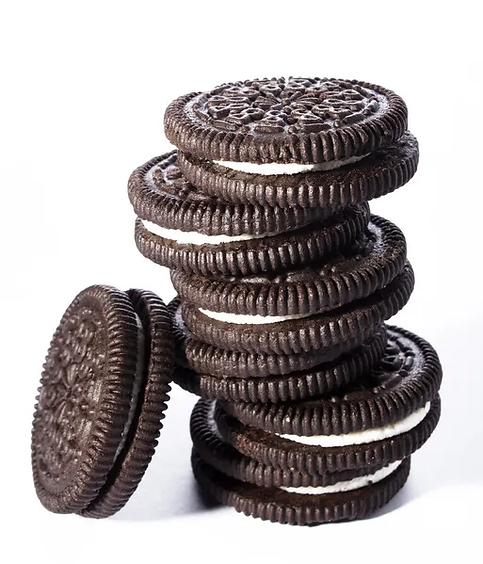
These 3 foods are a popular part of the Standard American Diet, and possibly if you ate something like this every once in awhile, it wouldn’t be harmful. However, the Standard American eats these or something like them every day. These food-like substances are created in labs to make them as addictive as possible. Wouldn’t you rather just get hooked on real food and the nourishment you get from it?
Third – Weight is not intrinsically tied to health. I also agree with this. Too often obesity is blamed for diseases such as diabetes and heart disease. However, in most cases obesity is actually just a symptom of the same thing that causes the other diseases.

Insulin resistance is when cells in your body do not respond effectively to the hormone insulin that is circulating in your body. This causes the pancreas to secrete even more of this important hormone in an effort to keep your blood sugar from rising too high. (DietDoctor.com “What you need to know about insulin resistance“
In my experience, limiting the foods that lead to elevated blood sugars (starches, sugars, processed grains) will bring the insulin level down, which even without weight loss, will reverse a lot of these issues. Most of the time there is an added benefit of weight loss.
Metabolic health is at a low in this country, and a lot of that is because of the Standard American Diet. If more of us adopted a lifestyle of real food and avoided food-like substances, the average weight and risk of chronic disease in the average person would go down significantly.