
insulin resistance and fatty liver 2

Insulin Resistance and Fatty Liver: The Early Warning Sign Many People Miss

Fatty liver is referred to as a “quiet” disease due to many individuals experiencing no noticeable signs in its early stages. Additionally, insulin resistance will typically develop slowly over time prior to blood glucose values appearing concerning. The presence of both should prompt concern for metabolic health.

The connection matters because both are tied to how the body stores, uses, and moves energy. Understanding this relationship can help you recognize patterns sooner and support long-term health.

What Is Insulin Resistance?

Insulin is a hormone that aids in moving sugar from the bloodstream to the cells. It allows the cells to utilize the sugar for energy. Insulin resistance happens when the cells are unable to respond to insulin as efficiently as needed. As a result, the body may produce high insulin levels to keep blood sugar in a normal range.

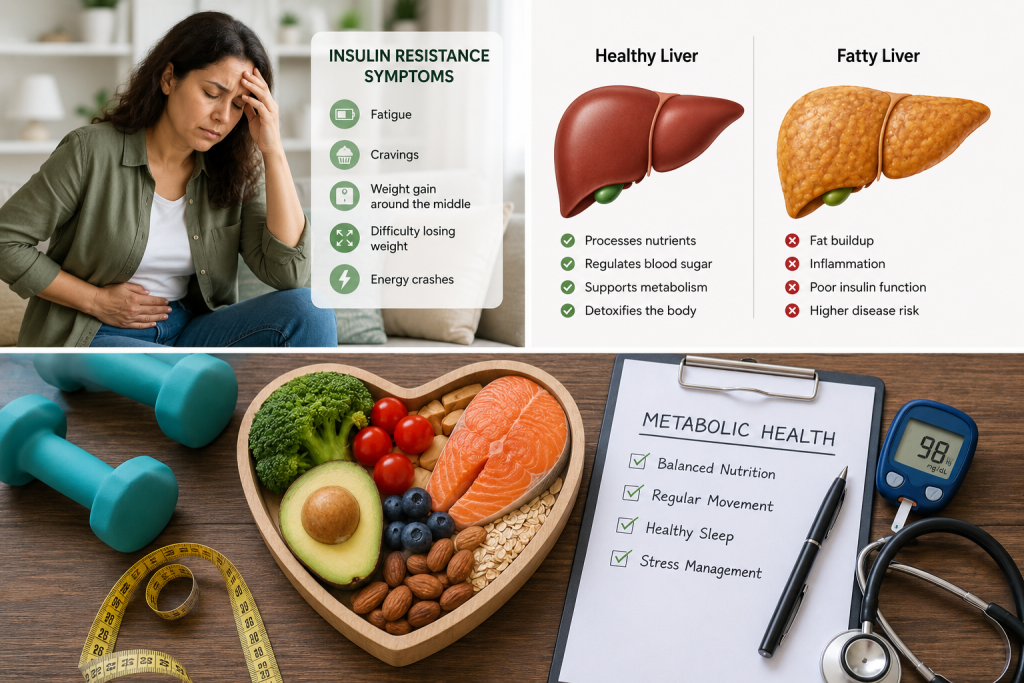
For a while, this extra insulin can hide the problem. Blood sugar may look “fine,” but high insulin levels may already be placing stress on the body. Common insulin resistance symptoms can include fatigue after meals, cravings, increased hunger, weight gain around the middle, difficulty losing weight, and energy crashes.

What Is Fatty Liver?

Fatty Liver is an accumulation of excess fat in the Liver. A new name to describe these conditions can now be referred to as Metabolic Dysfunction-Associated Steatohepatitic Disease (MASLD). Many people refer to it as Non-Alcoholic Fatty Liver Disease (NAFLD).

The liver’s main job is to help your body break down all food groups into useful nutrients, assist with fat management, aid in maintaining healthy blood glucose levels and act as a filter by eliminating unwanted toxins from your body. If you develop fatty liver then there could be evidence that the body was unable to metabolize its nutrients.

Can Insulin Resistance Cause Fatty Liver?

It may be a strong contributor to the accumulation of fat in the Liver. The Body requires more insulin as the liver’s sensitivity to insulin decreases. This increase in insulin over time promotes fat storage. As a result, there will be a greater likelihood of having fat accumulate in your liver.

This relationship can also go both ways. Fatty liver may worsen metabolic function and make insulin resistance harder to manage. That is why these issues are often discussed together instead of as completely separate problems.

Is Fatty Liver a Sign of Insulin Resistance?

It can be. It does not automatically mean someone has insulin resistance, but it often appears alongside metabolic concerns such as high insulin levels, weight gain, high triglycerides, prediabetes, type 2 diabetes, or increased waist circumference.

For many people, fatty liver is one of the first visible signs that metabolic health is under strain. It may show up on lab work or imaging before a person feels sick. This is why it should not be ignored, even when symptoms are mild or absent.

insulin resistance and fatty liver

Fatty Liver Symptoms Can Be Easy to Miss

There is one major reason many cases of fatty liver disease go unreported. Fatty liver disease symptoms are not always obvious. Many people may experience some of the following:

  • Fatigue
  • Vague upper right abdominal discomfort
  • Low energy (or sluggishness)
  • Lack of motivation

These symptoms can also cause people to miss work due to stress, lack of rest, age, or a busy lifestyle. Therefore, doctors will identify signs of fatty liver by running blood tests, doing ultrasounds or a medical exam for something else.

Because fatty liver symptoms can be subtle, it is important to look at the bigger metabolic picture. Insulin resistance symptoms, high insulin levels, changes in cholesterol, blood sugar patterns, and waist measurement may all offer useful clues.

Why This Matters for Metabolic Health

Metabolic health is not just about weight. It includes how your body manages blood sugar, insulin, inflammation, liver fat, energy, appetite, and body composition. Insulin resistance and fatty liver are both metabolic warning signs that deserve attention.

If weight loss feels slow or unpredictable, these conditions may be part of the reason. When the body is struggling with metabolic balance, cravings may feel stronger, energy may feel inconsistent, and progress may feel harder than expected.

insulin resistance and fatty liver 3

How to Support Better Liver and Metabolic Function

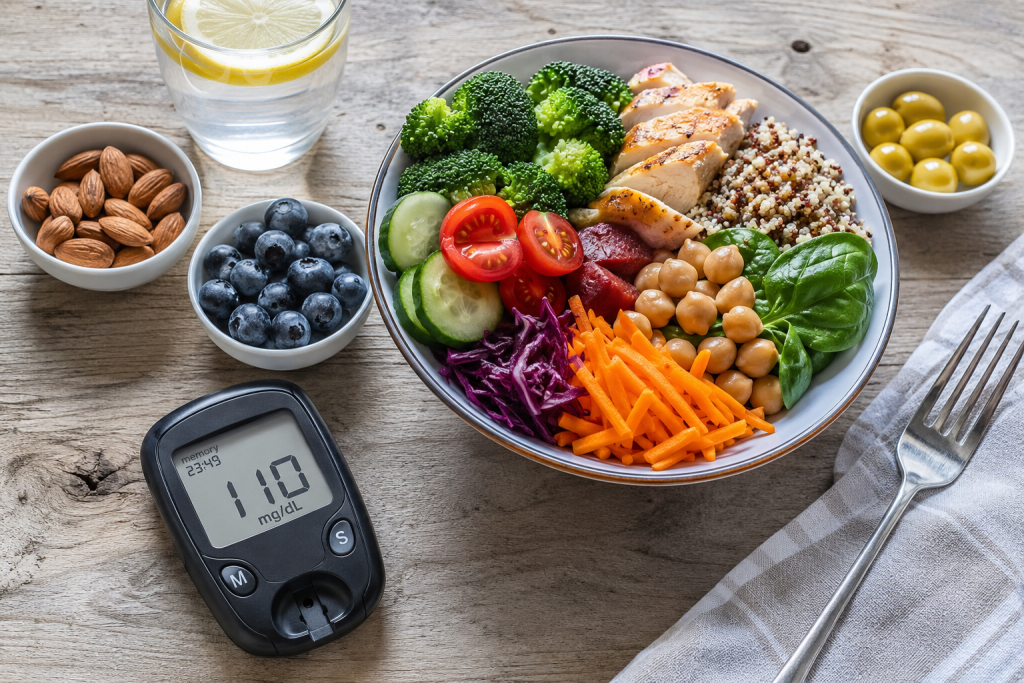
Lifestyle habits can make a meaningful difference. Balanced meals with protein, fiber-rich vegetables, healthy fats, and minimally processed carbohydrates can support steadier blood sugar. Regular movement, especially strength training and walking, can help improve insulin sensitivity and support metabolism.

Sleep and stress matter too. Poor sleep and chronic stress can affect hunger hormones, blood sugar regulation, and cravings. Reducing alcohol intake may also be helpful for liver health, especially when fatty liver is already a concern.

Even modest weight loss, when appropriate, may improve liver fat and metabolic markers. More importantly, sustainable habits tend to work better than extreme restriction.

When to Talk With a Healthcare Provider

If you have been told you have fatty liver, high insulin levels, prediabetes, elevated liver enzymes, or symptoms that make you suspect insulin resistance, it is worth having a deeper conversation with a healthcare provider.

Insulin resistance and fatty liver are common, but they are not something to dismiss. They can be early signs that your body needs more support. At Ideal Metabolic Health and Body, the focus is on helping people understand their metabolic health with education, compassion, and personalized care, so they can take realistic steps toward better energy, healthier body composition, and long-term wellness.

Why Am I Always Hungry 1

Why Am I Always Hungry? Leptin, Ghrelin, and the Satiety Signals Behind Cravings

If you regularly find yourself wondering “Why am I always hungry?”, don’t be surprised. Hunger that persists on a regular basis can be very irritating for many people. Even if they have made conscious decisions to eat better, reduce weight or become more metabolically fit, hunger continues to prevail over willpower. The reason we experience hunger has nothing to do with willpower. Hunger is a result of an intricate hormonal and neurological feedback loop consisting of insulin, blood sugar levels, sleep, stress and our day-to-day routine.

There are two primary components of this feedback loop: Leptin and Ghrelin. These hormones control how much food we want to consume and how long it takes us to feel full. When these hormones’ signalling systems are interrupted, we are left to experience constant hunger, increased desire for energy-rich foods and difficulty in feeling full after consuming food.

Understanding Hunger, Cravings, and Satiety

Hunger is a biological sign from your body telling you when you need energy. Cravings, on the other hand, are usually a very strong desire for a certain type of food, e.g., sweets, salt, or extremely processed foods, and satiety is the feeling of being satisfied with how much you’ve eaten. It’s a signal to your brain that you’ve eaten enough.

Knowing this, when you’re able to use your satiety signals well, you should be able to eat a healthy meal and feel fairly comfortable and full for many hours after eating, but if your satiety signals aren’t working properly, you might continue to eat even though you feel like you don’t have enough to satisfy you.

This could cause overeating, excessive snacking, or always feeling hungry.

Ghrelin: The Hunger Hormone

Ghrelin is known as “the hunger hormone” since its concentration in blood increases as soon as you’ve had an empty stomach for a while (usually within 30 minutes) and stimulates your brain to go look for something to eat. Typically, ghrelin concentrations are highest just prior to consuming a meal and lowest shortly after eating.

Normally, this process should be regulated. However, there are times when ghrelin will remain at a higher level than usual or become intensified due to specific behaviors or stresses.

Restrictive dieting, missing meals, inadequate sleep, and excessive stress are some common examples of how individuals experience increased hunger. As such, crash diets are sometimes difficult to complete successfully.

In many cases, the body perceives extreme diet restriction as a threat. If so, the body responds with increased sensitivity to hunger cues; therefore, even low-calorie foods can appear unappealing.

Leptin: The Fullness Signal

Leptin is a hormone produced in fat tissue; it tells the body (and the brain) that we have sufficient energy stores for our needs. For many, leptin signals the brain that “we have enough” of what is needed for our bodies’ biological needs.

However, there are individuals who experience leptin resistance. This phenomenon occurs when there is sufficient leptin being produced within the body, but the brain is unable to receive or interpret this message appropriately.

As a result, despite having adequate levels of stored energy within the body, the brain continues to perceive that it lacks the necessary energy. This creates an increase in appetite, a decrease in satiation and makes it difficult to regulate food intake.

This is one reason weight management is more complicated than “just eat less.” Appetite is influenced by biology, not just choices.

Why am I always hungry?

Why Am I So Hungry All the Time?

There could be a variety of factors leading to constant hunger. A very common reason behind this is the fact that many people consume meals that are digested much more quickly than expected. When a meal is low in protein, fat, or fiber, as well as has been highly processed and contains refined carbohydrates, then it will likely provide little in terms of satiation. (Yes, it’s not always your fault)


On the other hand, poor sleep affects our hormone levels related to both hunger and satiety. So, when we do not get enough sleep, we tend to feel hungrier. And when we experience stress, it tends to promote a greater appetite for energy-dense foods such as those containing lots of added sugars or refined carbohydrates.

These statements do not imply that you lack self-discipline. They simply illustrate how your body responds to what you perceive as stressful situations.

There are other potential causes, including, but not limited to:

  • Dehydration
  • Excessive use of alcohol
  • Certain types of medications
  • Hormonal imbalance
  • Insulin sensitivity issues
  • Thyroid disorders
  • Blood sugar issues 

As an example, if you feel extremely hungry often, or find yourself feeling hungry at times that seem unexplained, it would be great to discuss this with your healthcare professional.

How Metabolic Health Affects Appetite

Metabolic health refers to how well your body uses and stores energy. It includes blood sugar regulation, insulin sensitivity, hormone balance, body composition, inflammation, and energy levels.

When metabolic health is out of balance, the question “why am I always hungry” can become harder to answer for you, as your appetite can become harder to regulate. For example, insulin resistance may make it more difficult for the body to manage blood sugar efficiently. This can contribute to energy crashes, cravings, and frequent hunger. Preserving muscle mass is also important because muscle plays a key role in metabolism and long-term health.

This is why a whole-person approach matters. Hunger is not only about what you ate at your last meal. It can also reflect sleep quality, stress, movement, hormones, meal timing, and the types of foods you eat most often.

Why am I always hungry?

Practical Ways to Support Better Satiety

Improving satiety does not require perfection. Small, consistent habits can help your body send and receive hunger signals more clearly.

Start by building meals around protein, fiber-rich vegetables, and minimally processed foods. Protein helps support fullness and muscle maintenance, while fiber slows digestion and supports steadier energy. Adding healthy fats, such as avocado, olive oil, nuts, or seeds, can also help meals feel more satisfying.

Try to avoid long periods of extreme restriction, especially if they lead to intense cravings later. Prioritize sleep when possible, since appetite regulation is closely connected to rest. Managing stress is also important, even through simple practices like walking, breathing exercises, journaling, or setting regular meal times.

It may also help to slow down while eating. Satiety signals take time to register, so eating quickly can make it easier to overshoot fullness before your brain catches up.

When Hunger Is a Signal to Look Deeper

If you keep wondering “why am I always hungry?” Don’t worry, feeling hungry is normal, but feeling hungry all the time may be a sign that your body needs more support. Instead of blaming yourself, consider hunger as information. Your body may be asking for better nourishment, steadier blood sugar, more sleep, less stress, or a deeper look at your metabolic health.

If you have been struggling with constant hunger, cravings, or excess appetite, learning how your hormones and satiety signals work can be an empowering first step. At Ideal Metabolic Health and Body, the focus is on helping people better understand their bodies through personalized, compassionate metabolic care. If you are ready to explore what may be driving your hunger, a gentle conversation with a knowledgeable provider can help you take the next step toward feeling more balanced and in control.

a7a43c ea740e1ebb1e46a1a0413b604e55f3b3

Experimenting with food

I have always loved to cook and bake, but have always been better at following recipes rather than creating my own. I mean, aside from adding my own toppings to pizza I have never diverged much from a written recipe, but everything usually turned out pretty well.

One of the nicest things about changing the way I eat is that I have found it is very hard to go wrong with cooking when you are putting together a protein, fat, and vegetable. You can mix and match a whole lot and get it to taste really good. I often take fish and cook it in a pan with some olive oil and spices, then when close to done take fresh spinach, a can of diced tomatoes (drained) and cheese. If the spices are Greek use feta, if Italian – use mozzarella, and end up with a very tasty well-rounded dinner. Sautéing ground meats with onions and other vegetables, covered with a cheese or other sauce is quick and delicious.

One of my favorite things to make now (because it tastes so good and makes great leftovers) is what we call “Meatball Spaz.” Lately, I am deviating from the “meatball” because ground meat is faster and tastes just as good.

Meatball spaz has a base of spaghetti squash, which I never thought had a place in a quick meal, as it took over an hour to cook in the oven. But I learned a neat trick, cook it in the microwave for 13 minutes, and it is easily a part of a last minute meal.

a7a43c d8ad20aaae1e43bca3e038363c2de1a5

To quickly cook a spaghetti squash use a large knife to pierce it 8-10 times on all sides. It will blow up all over your microwave if you don’t. Place on a plate (to catch the drips) and put in the microwave for 12-13 minutes. Let it sit in the microwave another few minutes to cool. Take it out of the microwave and when ready carefully, to avoid steam, cut in half and remove the seeds, then use the flesh as you need.

For meatball spaz you can pick your meat – I like to mix a pound of ground beef with a pound of mild Italian sausage, but have used meatballs to cover the pan as well. You could even skip the meat if you want.

a7a43c 9412ff67a4064f4f9cb647fd9c1b064f

Cook the meat it in the skillet and seasoning with some salt and pepper (and anything else you feel like). When done set aside the meat and if there is a large amount of liquid grease in the pan remove some of it. Then put a block of frozen chopped spinach in the pan (thawed if you actually planned ahead).

a7a43c c5958045aecf452692119e6ce53250e6

As the spinach is heating up in the pan, get the spaghetti squash out of the oven and prepare it. Once the spinach is fully thawed, add the squash to the pan (I usually use the full squash but I have a very large pan).

a7a43c 26b4d7c8b0a34739b311de4b4dfe845a

After mixing the squash and the spinash together add 6-8 ounces of cream cheese to the vegetables (more if you like it really creamy). Then spread the mixture fully into the bottom of the skillet.

a7a43c ea740e1ebb1e46a1a0413b604e55f3b3
a7a43c 03f1bceae8d146d6b1c760e94ed87355
a7a43c 3a0ec4bf8aab44b58798e7b5e3b825fd

Take sugar free diced tomatoes, tomato sauce, and mix to taste with garlic powder and Italian seasoning. Grate a liberal amount of mozzarella cheese. (I grate it myself as the preshredded adds potato starch so it doesn’t stick together.

Spread the meat mixture onto the top (or spread the meatballs fairly densely on top). This is followed by the tomato sauce and the cheese. Put the whole skillet into the oven at 350 degrees for 20-25 minutes (until the cheese is bubbly and turning brown). For another tasty variation add pepperoni or mushrooms or other vegetables!

a7a43c 242d6d2462c341c0a8f8fd2177e8f78a

Keep experimenting, and share your tasty creations with me! Enjoy!

Skip to content