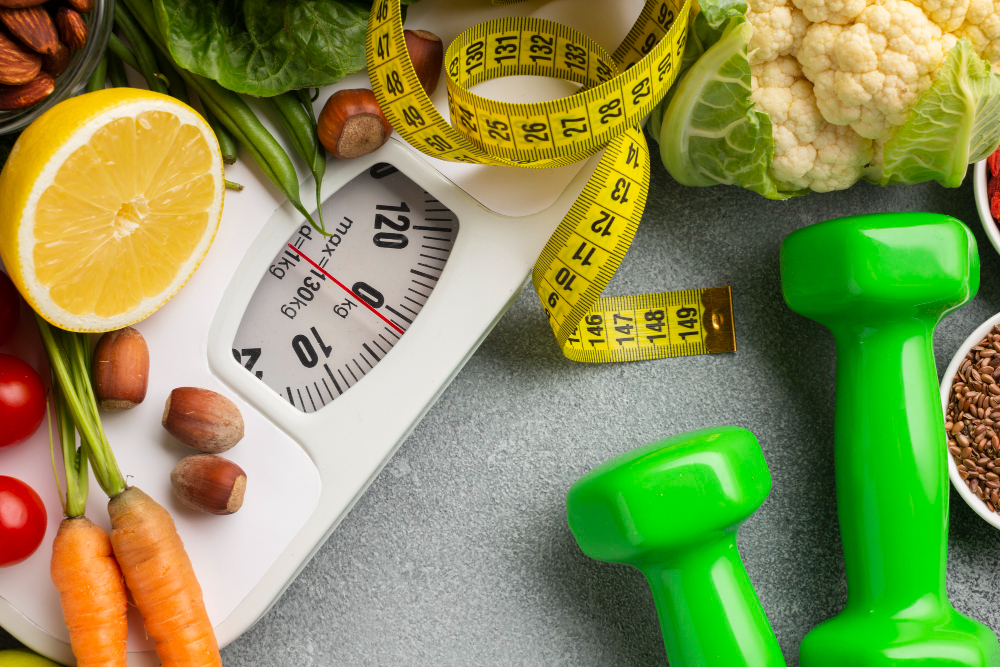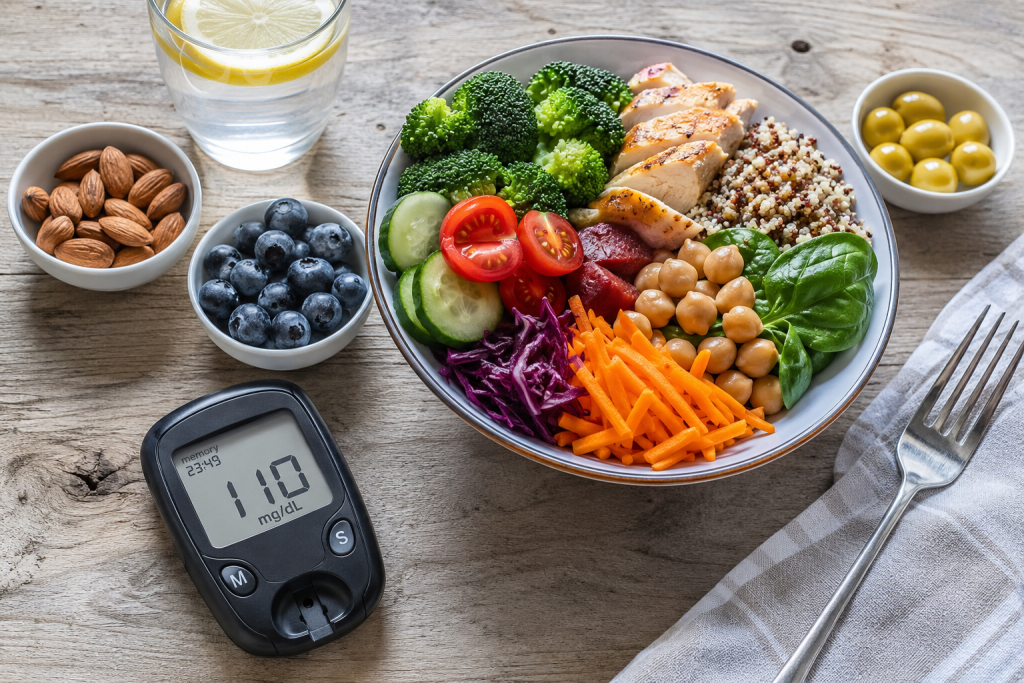
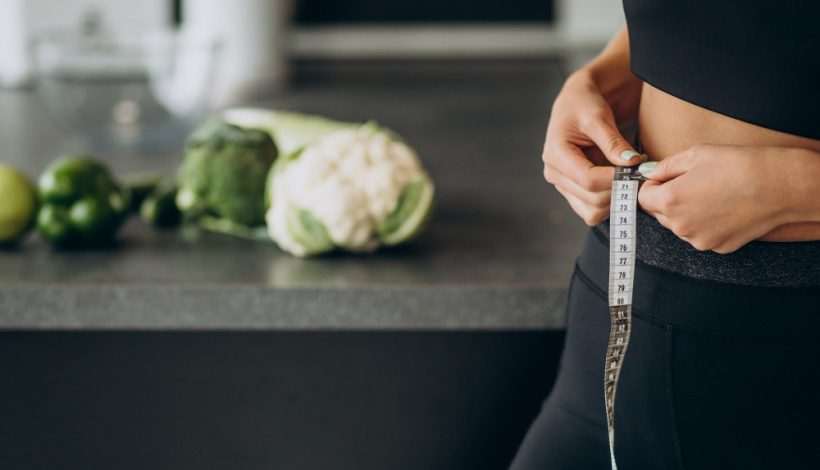
Weight Loss Program, what to expect in month 1

What to Expect in Month 1 of a Weight Loss Program

Your first month starting a weight loss program is typically a mix of excitement and possibly a little anxiety, whether you are joining a weight loss clinic in Fort Collins or developing your own program from the comfort of your own home. The first thirty days will set the stage for your overall success and create habits that help you maintain your new lifestyle. By understanding what may be happening during this time frame, you can also enhance your experience, make the process more enjoyable, and ultimately more sustainable.

Here’s a friendly overview of your first month on your weight loss journey and how to achieve your goals.

Week 1: Preparation & Assessments

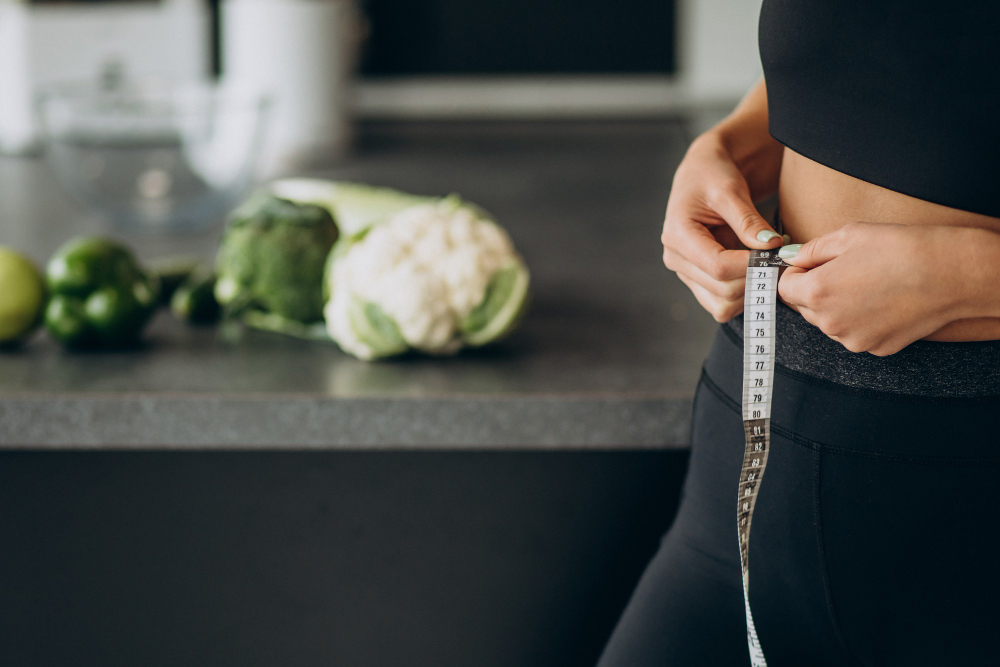
Week 1 is essentially about getting ready & understanding where you’re at. Most weight loss programs begin with an assessment (Weight measurement, Body measurements, etc.) as well as setting realistic expectations and planning your meal program.

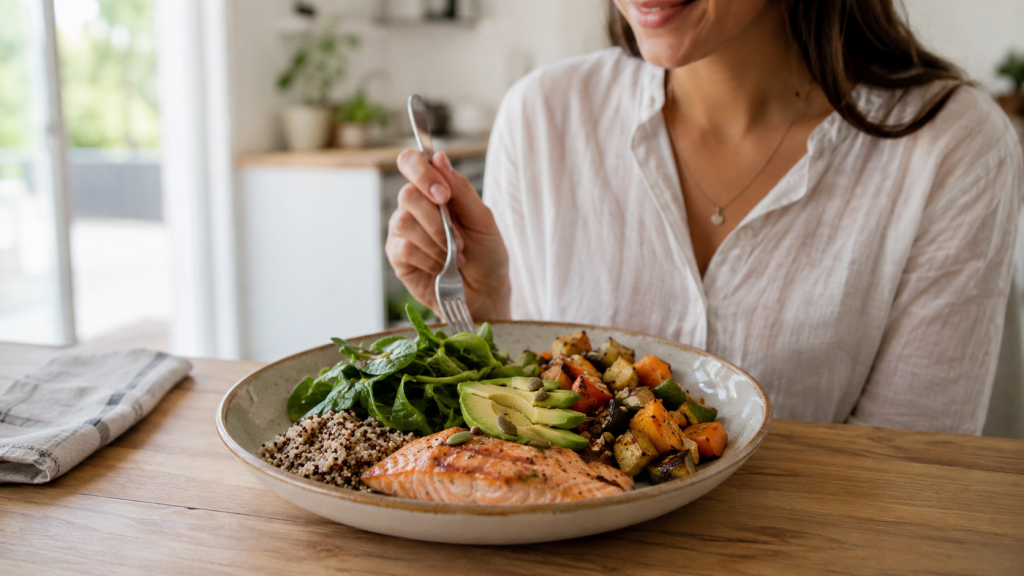
The initial meal program will focus on creating a balance of lean protein, green vegetables, whole grain products & healthy fats for your weight loss diet. You will also be encouraged to start light physical activity to help support your metabolism by creating some movement in your day, this does not have to be intense or overwhelming.

Expect to spend most of the time in the first week feeling like you’re just trying to get a handle on what you need to do to create the change you want to see in your lifestyle.

Week 2: Building Consistency

Week 2 will be focused on building consistent habits into your lifestyle.

The first week, your body was adjusting to the new calorie intake and exercise routine. Now, it is responding to the changes made during the last week:

  1. Tracking your food & physical activity: Using a food diary or apps can help you maintain tracking of your meal plans and recognize patterns related to your weight loss.
  2. Finding new recipes that are low in calories, yet still taste great – By trying different and creative ways to prepare healthy meals, you can make a balanced diet for weight loss fun again, rather than feeling deprived of foods you enjoy.
  3. Engaging in light physical activities (walking, stretching, etc.): Gentle exercise will support your weight loss and help your metabolic rate.

In this stage, people begin to experience noticeable and positive changes (i.e., increased energy and better digestion), which can help motivate them to continue their weight loss journey.

Week 3: Adjusting and Learning

You’ve probably already seen some improvements by week 3 in your body’s ability to lose fat. The potential is great; however, there may be minor adjustments you’ll have to make during week 3 as your body continues to adjust.

At times, you may feel cravings, changes in how much weight you’ve lost over the course of the week, or you may experience a plateau. A quality weight loss program will help you navigate all of those issues and continue to promote healthy habits and weight loss for weeks and months to come with:

  1. Adjustments in your program: This includes portion sizes, meal timing, or the amount of physical activity you’re doing on a daily basis, based on what works best for your lifestyle.
  2. Supplement recommendations (if necessary): If your clinic offers weight loss supplements, they can help enhance your metabolic function while you follow the appropriate diet and exercise guidelines.
  3. Self-reflective encouragement: Reflecting on your eating habits, your food triggers, and your stressors will help you avoid relapses and maintain consistent weight loss progress.

Week 3 is primarily about discovering which aspects of the program work well for your body and developing a routine that makes sense to you.

Week 4: Celebrating Wins and Planning Ahead

Week 4 is an ideal time to acknowledge all the things you’ve accomplished so far this month, even if it’s just a few pounds. It is also the best time to measure the results (i.e., compare your current weight, measurements, etc., to where you were at the beginning) and make some adjustments to your diet as needed.

By week 4, you will be able to fine-tune your healthy diet plan for weight loss with greater accuracy since you now know what works well for you and what doesn’t.

Additionally, establishing a solid foundation of momentum during the second month is key to successful long-term weight management. Many find that after the first month, their confidence and energy levels are at an all-time high and are ready to take on the next challenge.

Tips for Success in Month 1

  1. Stay hydrated: Drinking water will increase your body’s ability to metabolize and prevent excess snacking.
  2. Prioritize sleep: Getting a good night’s rest will be a huge help in losing weight and maintaining good health.
  3. Be patient and consistent: Losing weight too fast is not safe. Therefore, make slow and healthy choices to lose weight that will last a lifetime.
  4. Look for professional support: If you have any questions or need assistance with your weight loss plan, Ideal Metabolic Health & Body in Fort Collins is here to help you reach your goals.

Starting Strong Matters

Your first month is where everything begins. If you are looking to quickly lose weight or develop a long-term healthy habit, adhering to a structured weight loss program and a healthy, balanced diet for weight loss gives you the greatest opportunity for achieving your objectives.

At Ideal Metabolic Health and Body in Fort Collins, our team is available to assist you as you develop a weight loss plan that meets your needs, your goals, and your body.

With proper support and guidance, your first month will be just the beginning of an empowered, reasonable, and fulfilling experience. Do you need help? We are here for you!

11062b c683a7be7a814684a363820281734da3mv2

No “good” or “bad” foods?

In this past week I have seen several different articles and posts from dietitians who are recommending that people shouldn’t diet, that there are no foods that shouldn’t be eaten, and that weight is not intrinsically tied to health.

I agree 100% with those statements, although not for the reason these dietitians state.

First – people shouldn’t diet. No, people really shouldn’t diet. To diet implies temporarily changing what you are eating, usually to lose weight or for a short term goal. I agree that people should not do this. We have been “dieting” for the past 50 years, and we have just ended up heavier and more sick as a country. Have you noticed that when we decided fat was bad (late 70s-early 80s) we ate less fat and significantly increased the carbs, and our obesity rate quickly climbed.

a7a43c 0cfd8f3208c841539c358bf0b9644f64~mv2

What is better than dieting is to find a lifestyle that you can live with that doesn’t lead to chronic illness. I favor the lower carb real food plan which includes eating real food and maintaining health. When we eat “food-like substances” instead of real food, we tend to overload our bodies with the trifecta of processed grains, vegetable oils and sugar, leading to insulin resistance and chronic disease.

Second – there are no “good” or “bad” foods. I agree with this statement but I challenge you to actually call a lot of substances sold in the grocery store food. If you are eating real food, there is not “bad” food. But if you are eating ‘Unbeached Enriched Flour, Sugar, Palm and/or Canola Oil, Cocoa, High Fructose Corn Syrup. Leavening, Salt, Soy Lecithin, Chocolate, artificial flavor’ are you actually eating food? What about ‘Corn, vegetable oil, salt, cheddar cheese, whey, monosodium glutamate, buttermilk, romano cheese, whey protein concentrate, onion powder, corn flour, natural and artificial flavor, dextrose, tomato powder, lactose, spices, artificial color, lactic acid, citric acid, sugar, garlic powder, skim milk, red and green bell pepper powder, disodium inosinate, and disodium guanylate’ ? One more: ‘whole grain oat flour, sugar, corn flour, whole wheat flour, rice flour, salt, calcium carbonate, disodium phosphate, reduced iron, niacinamide, BHT, yellow 5, yellow 6, thiamine mononitrate, riboflavin, pyridoxine hydrochloride, folic acid.’ None of these looks like food to me, although some contain some foods in them. (for your info these are Oreos, Nacho Cheese Doritos, and Life Cereal).

a7a43c 12e57efa2e964a128565c37a7bd14933~mv2

These 3 foods are a popular part of the Standard American Diet, and possibly if you ate something like this every once in awhile, it wouldn’t be harmful. However, the Standard American eats these or something like them every day. These food-like substances are created in labs to make them as addictive as possible. Wouldn’t you rather just get hooked on real food and the nourishment you get from it?

Third – Weight is not intrinsically tied to health. I also agree with this. Too often obesity is blamed for diseases such as diabetes and heart disease. However, in most cases obesity is actually just a symptom of the same thing that causes the other diseases.

a7a43c d788123cbc754eae8e6adf861b2296c1~mv2

Insulin resistance is when cells in your body do not respond effectively to the hormone insulin that is circulating in your body. This causes the pancreas to secrete even more of this important hormone in an effort to keep your blood sugar from rising too high. (DietDoctor.comWhat you need to know about insulin resistance

In my experience, limiting the foods that lead to elevated blood sugars (starches, sugars, processed grains) will bring the insulin level down, which even without weight loss, will reverse a lot of these issues. Most of the time there is an added benefit of weight loss.

Metabolic health is at a low in this country, and a lot of that is because of the Standard American Diet. If more of us adopted a lifestyle of real food and avoided food-like substances, the average weight and risk of chronic disease in the average person would go down significantly.

e77db3b6c00249a396d74462d6d99eb6

What About the Fat?

Many times I see patients and talk about changing their lifestyle with LCHF eating, and I will feel like I’ve done a pretty good job getting them started with handouts, internet links, books, and access to me through Facebook and this website. However, when many people return they will tell me they cut out the carbs, but when I ask about their fat they will admit they still eat low fat…that they are still scared to eat fat.

a7a43c 437dc33edad240ff977c16772e1578e8

ourbestbites.com

Fat was unjustly vilified, starting in the early 1950s. At about that time doctors started recognizing and diagnosing heart disease and heart attacks. Then in 1955 President Dwight Eisenhower had his first heart attack, while in office. Because of some flawed research and what seems in large part to politics, fat, especially saturated, started to get a bad name. Add in that Crisco and Margarine were much cheaper than lard and butter and that several doctors who recommended eating these vegetable oils were sponsored by the oil companies – we all started decreasing our natural fat intake, and started increasing our intake of unnatural vegetable oils (see The Big Fat Surprise for full timeline and history).

This was all done despite not a single study showing a link between saturated fat and heart disease, and many studies showing increased risk of dying and disease when diets decreased in fat (and increase in vegetable oils of any kind).

More terrible politics occurred (remember, it is not WHAT you know, but WHO you know) and the first Dietary Guidelines were created in 1980 with the first food pyramid and the recommendations to cut fat and cholesterol out of our diets.

a7a43c 69afd1b650cc40a4981670ab089c02eb

And you know what happened? We did it! We followed the guidelines quite well! And after that? We all became fatter and sicker – more heart disease, more diabetes, more dementia, more inflammation, more fatty liver, more sleep apnea, more cancer. Why? Mostly because we increased our intake of vegetable oils (polyunsaturated fatty acids that are easily oxidized and increase inflammation in our bodies) and increased our carbohydrates and sugars! (If you take the fat out of food it tastes terrible unless you add more sugar or other carbohydrates).

a7a43c 1e5dde93c24b4bfea1f7be672c728a15

Highly processed easy foods also played a part as they became very convenient in our busy lives. Prepackaged snacks are easier to give to kids. We all became completely obsessed about calorie counting and increasing exercise that we downed diet soft drinks, ate 100-calorie no fat snacks, dry toast and cereal with skim milk, plain rice cakes with no toppings, dry chicken breasts with potatoes (no butter – remember low fat butter powder?), pasta (never alfredo sauce), vegetables (steamed with no butter) and diet desserts that were non-fat (low fat frozen yogurt). We starved ourselves, exercised hard and rarely succeeded in losing weight and then keeping it off.

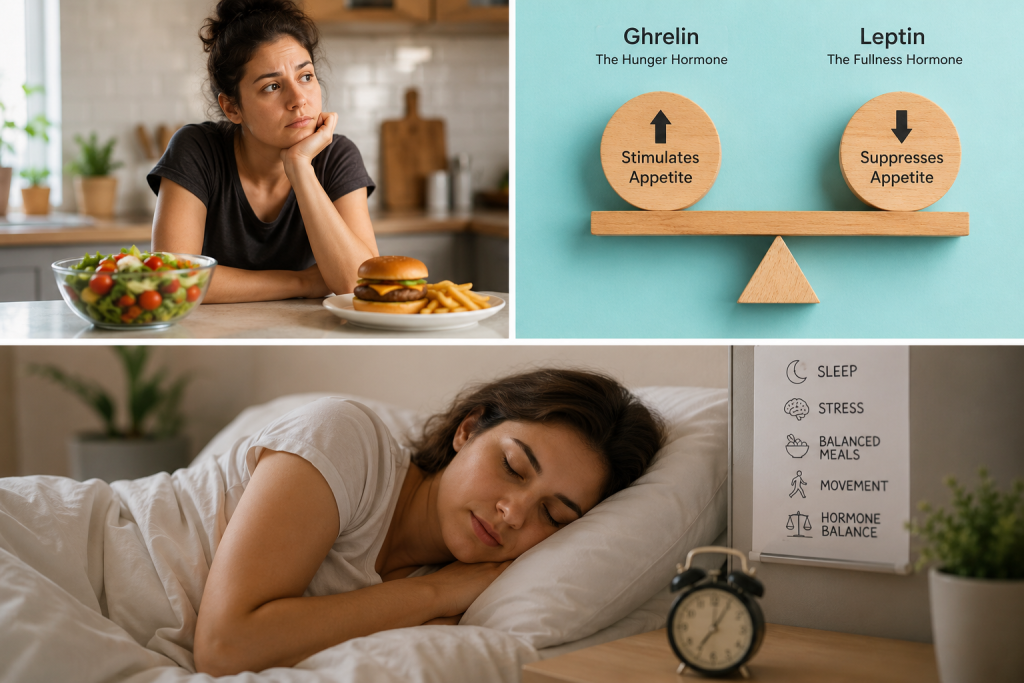
How many of you have done this? How many are still trying to do this? It doesn’t work and there are many reasons why. The first being that when you decrease your calories significantly, your body fairly quickly decreases it’s expenditure of calories (by up to 40%) in order to match what comes in. This decrease in metabolism makes us feel tired and actually keeps us from being successful. The second reason is that your body hormones work against you to make you have difficulty with keeping weight off – you decrease your food and your Ghrelin (hunger hormone) goes up. You lose weight and decrease fat and Leptin (feel full hormone produced by fat) goes down. Most people who try to lose weight plateau significantly at month 6 and then it starts coming back on. Not to mention that exercising significantly increases your appetite and doesn’t actually help with weight loss (see What About Exercise?)

Is it hopeless? Can we lose weight? YES!!

e77db3b6c00249a396d74462d6d99eb6

The key is to get fat back in our diets, and get the unnatural carbs and sugar out! There have been many studies that show that eating fat or even fasting (see fasting) do not decrease metabolism. Fat makes us feel full, and if we increase fat and decrease carbs we can actually enjoy the benefit of using our fat as energy instead of feeling hungry and eating more. Our blood sugars stabilize, our belly fat goes away, our energy goes up, our weight goes down…and even if we never lose a pound our health improves with decreased risks of diabetes, and all of the diseases that are caused by insulin resistance. Your HDLs will go up, your triglycerides will go down, and your fatty liver will decrease – all predictors for heart disease. (Fatty Liver No Innocent Bystander)

2c41d97f244347558869f6ddb2d6e58a

So, what should we do? Eat a diet of whole, real foods that are not low-fat. You can do this as a meat eater (see Getting Started on LCHF or get started with Diet doctor low carb challenge) or even as a vegetarian (How to eat low carb as a Vegetarian/Vegan). Avoid highly processed foods (try to eat as many one-ingredient low starch foods that you can) and cook your own meals. Eat butter, olive oil and coconut oil, and throw away the seed/grain oils and margarine. If you follow these few guidelines and avoid “food-like substances” you will get back on the path to Optimum Health.

Skip to content