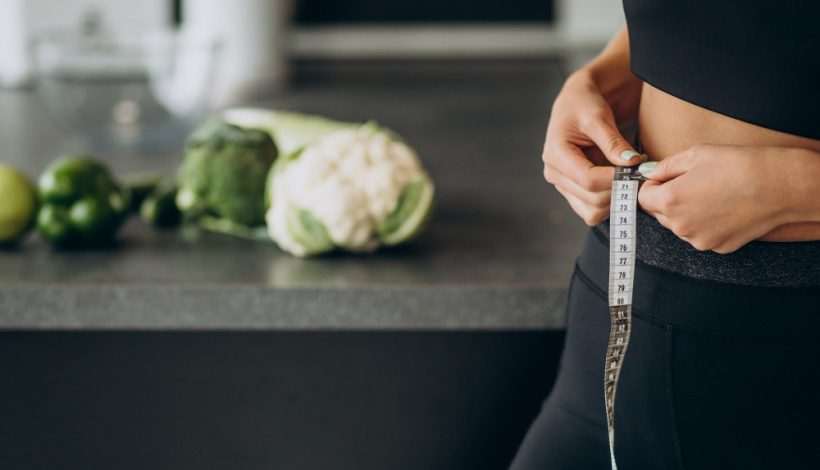
Weight Loss Program, what to expect in month 1

What to Expect in Month 1 of a Weight Loss Program

Your first month starting a weight loss program is typically a mix of excitement and possibly a little anxiety, whether you are joining a weight loss clinic in Fort Collins or developing your own program from the comfort of your own home. The first thirty days will set the stage for your overall success and create habits that help you maintain your new lifestyle. By understanding what may be happening during this time frame, you can also enhance your experience, make the process more enjoyable, and ultimately more sustainable.

Here’s a friendly overview of your first month on your weight loss journey and how to achieve your goals.

Week 1: Preparation & Assessments

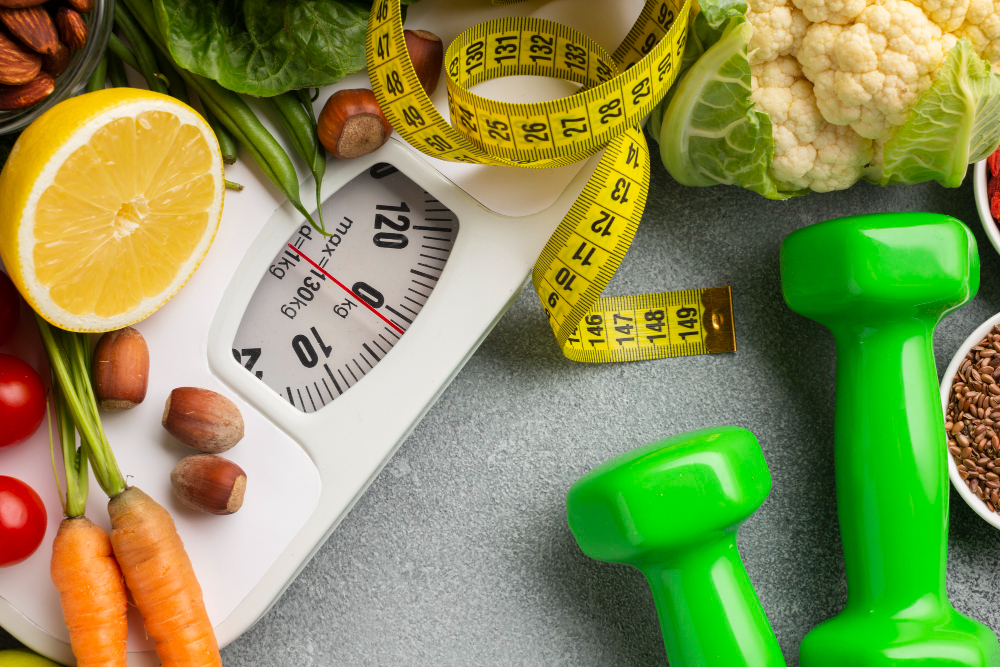
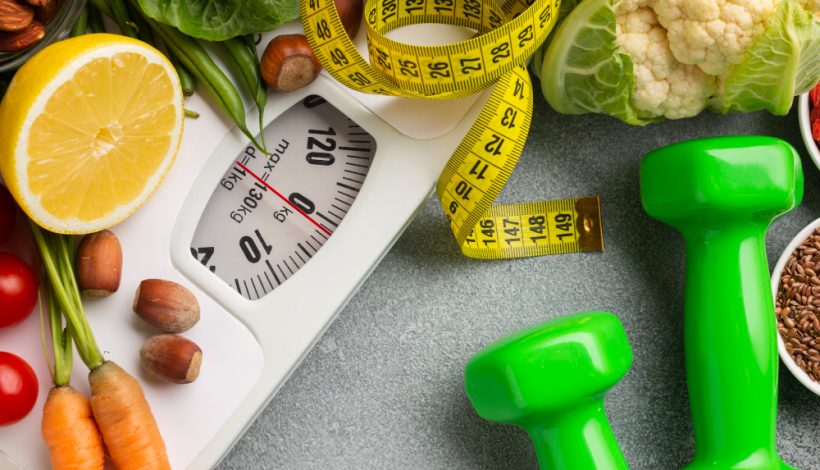
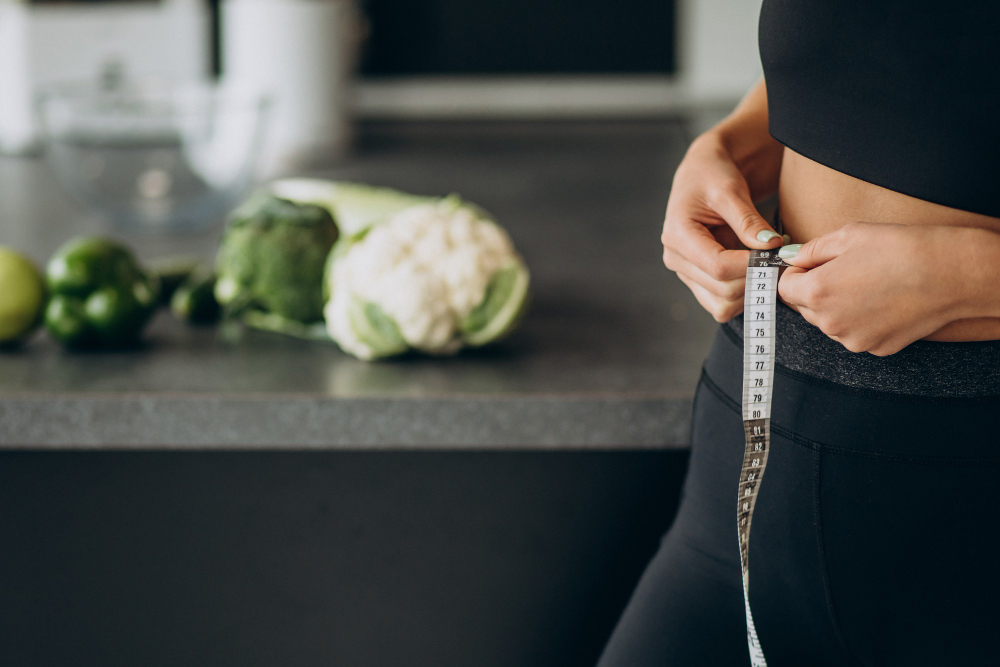
Week 1 is essentially about getting ready & understanding where you’re at. Most weight loss programs begin with an assessment (Weight measurement, Body measurements, etc.) as well as setting realistic expectations and planning your meal program.

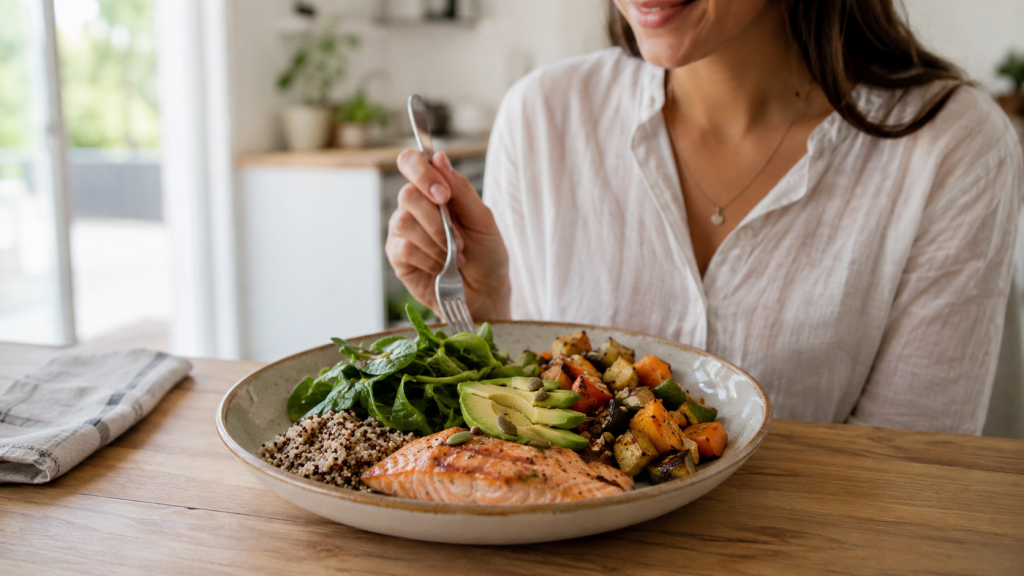
The initial meal program will focus on creating a balance of lean protein, green vegetables, whole grain products & healthy fats for your weight loss diet. You will also be encouraged to start light physical activity to help support your metabolism by creating some movement in your day, this does not have to be intense or overwhelming.

Expect to spend most of the time in the first week feeling like you’re just trying to get a handle on what you need to do to create the change you want to see in your lifestyle.

Week 2: Building Consistency

Week 2 will be focused on building consistent habits into your lifestyle.

The first week, your body was adjusting to the new calorie intake and exercise routine. Now, it is responding to the changes made during the last week:

  1. Tracking your food & physical activity: Using a food diary or apps can help you maintain tracking of your meal plans and recognize patterns related to your weight loss.
  2. Finding new recipes that are low in calories, yet still taste great – By trying different and creative ways to prepare healthy meals, you can make a balanced diet for weight loss fun again, rather than feeling deprived of foods you enjoy.
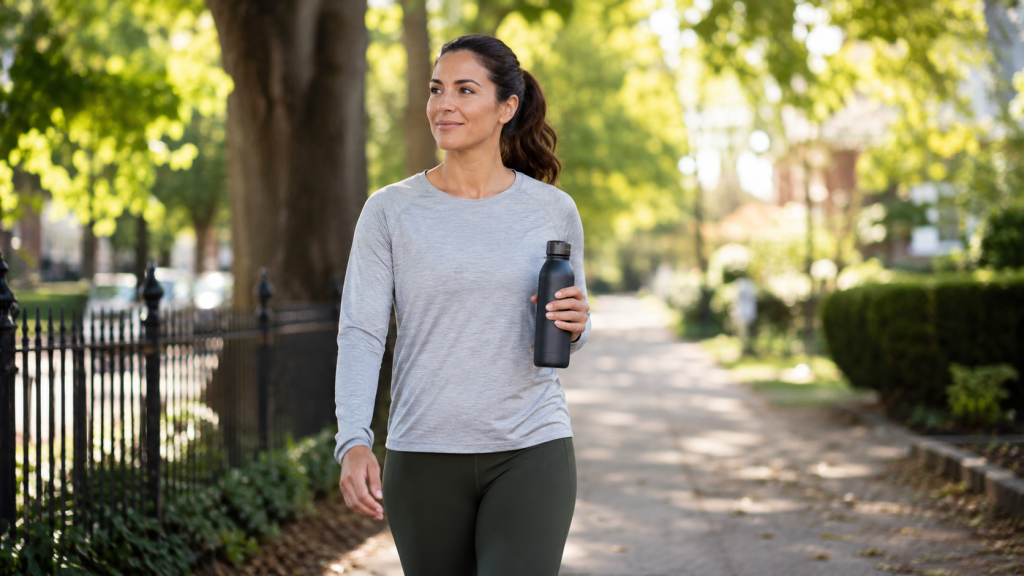
  3. Engaging in light physical activities (walking, stretching, etc.): Gentle exercise will support your weight loss and help your metabolic rate.

In this stage, people begin to experience noticeable and positive changes (i.e., increased energy and better digestion), which can help motivate them to continue their weight loss journey.

Week 3: Adjusting and Learning

You’ve probably already seen some improvements by week 3 in your body’s ability to lose fat. The potential is great; however, there may be minor adjustments you’ll have to make during week 3 as your body continues to adjust.

At times, you may feel cravings, changes in how much weight you’ve lost over the course of the week, or you may experience a plateau. A quality weight loss program will help you navigate all of those issues and continue to promote healthy habits and weight loss for weeks and months to come with:

  1. Adjustments in your program: This includes portion sizes, meal timing, or the amount of physical activity you’re doing on a daily basis, based on what works best for your lifestyle.
  2. Supplement recommendations (if necessary): If your clinic offers weight loss supplements, they can help enhance your metabolic function while you follow the appropriate diet and exercise guidelines.
  3. Self-reflective encouragement: Reflecting on your eating habits, your food triggers, and your stressors will help you avoid relapses and maintain consistent weight loss progress.

Week 3 is primarily about discovering which aspects of the program work well for your body and developing a routine that makes sense to you.

Week 4: Celebrating Wins and Planning Ahead

Week 4 is an ideal time to acknowledge all the things you’ve accomplished so far this month, even if it’s just a few pounds. It is also the best time to measure the results (i.e., compare your current weight, measurements, etc., to where you were at the beginning) and make some adjustments to your diet as needed.

By week 4, you will be able to fine-tune your healthy diet plan for weight loss with greater accuracy since you now know what works well for you and what doesn’t.

Additionally, establishing a solid foundation of momentum during the second month is key to successful long-term weight management. Many find that after the first month, their confidence and energy levels are at an all-time high and are ready to take on the next challenge.

Tips for Success in Month 1

  1. Stay hydrated: Drinking water will increase your body’s ability to metabolize and prevent excess snacking.
  2. Prioritize sleep: Getting a good night’s rest will be a huge help in losing weight and maintaining good health.
  3. Be patient and consistent: Losing weight too fast is not safe. Therefore, make slow and healthy choices to lose weight that will last a lifetime.
  4. Look for professional support: If you have any questions or need assistance with your weight loss plan, Ideal Metabolic Health & Body in Fort Collins is here to help you reach your goals.

Starting Strong Matters

Your first month is where everything begins. If you are looking to quickly lose weight or develop a long-term healthy habit, adhering to a structured weight loss program and a healthy, balanced diet for weight loss gives you the greatest opportunity for achieving your objectives.

At Ideal Metabolic Health and Body in Fort Collins, our team is available to assist you as you develop a weight loss plan that meets your needs, your goals, and your body.

With proper support and guidance, your first month will be just the beginning of an empowered, reasonable, and fulfilling experience. Do you need help? We are here for you!

Skin Tightening

Skin Tightening After GLP-1 Weight Loss: A Personalized Plan

You’ve done the hard work. You have lost a great deal of weight, your clothing fits differently and other people are noticing a positive change. However, when looking into the mirror, excess/loose/sagging skin may be the last reminder of what your “before” body looked like. Skin tightening after weight loss treatments can help restore a firmer, more toned appearance, giving you the confidence to fully enjoy your transformation.

It is extremely common to experience this after losing weight with the aid of GLP-1, especially if it was an aggressive/rapid weight loss. Fortunately, you can expect your skin to continue improving over the next 12 to 24 months, and you will find a number of ways (both internal and external) to help support the improvement of your skin.

The purpose of this article is to outline a realistic and structured approach to Skin Tightening after weight loss, so that you can be as confident in your skin as you are in your overall health.

Why Skin Sags After GLP-1–Assisted Weight Loss

Your skin should be viewed as a living fabric encasing your entire body. So when you lose weight, especially quickly, three main events occur:

  1. The loss of the underlying fat mass: The “stuff” that previously gave the skin its fullness has been lost therefore the fabric will appear to have lost some fullness.
  2. A reduction in the tensile strength of collagen and elastin: These two proteins are the internal framework of your skin (i.e., they provide the “scaffolding”). The aging process, changes in weight, and the presence of chronic inflammation may weaken them.
  3. Less resiliency and thinner skin due to the natural decline of dermal thickness with age: Dermal thickness decreases over time, which means the skin does not snap back as well as it did at an earlier age.

With all this being said, your skin tightening is not “done” once the scale is stabilized. Your skin will be able to remodel itself for up to 1-2 years after losing weight, and there are many ways you can help your skin remodel itself by providing your body with the necessary internal support and through the use of various in-office treatments.

Skin Tightening after weight loss

4 Internal Strategies That Support Skin Tightening

We must optimize everything that happens on the inside before we even begin with the outside tools & methods. Think of this like providing your skin the necessary building blocks and signals to repair itself.

1. Optimize Your Protein for Collagen and Lean Muscle

Lean muscle and collagen will be your most effective allies when trying to create firmer, tighter curves.

Aim for: approximately 0.7-1.0 grams of protein per pound of your target weight (approximately 120-170 grams if you’re targeting 170 pounds).

Divide your total daily protein requirement into 2-3 meals; adding an extra snack or shake to help you meet your target.

Why does it matter?

Protein provides your body with the necessary amino acids to repair/replace collagen and support either maintaining or creating additional muscle mass underneath your skin which creates a smooth, natural-looking shape, transitions and less of “deflation” between fat loss and muscle atrophy.


2. Strength Training (Resistance): Tone from the inside out

While exercise can help with cardiovascular health, if you want to get a tighter body and better definition, then you need to do some type of strength training.

Target: 3-4 times per week of strength training

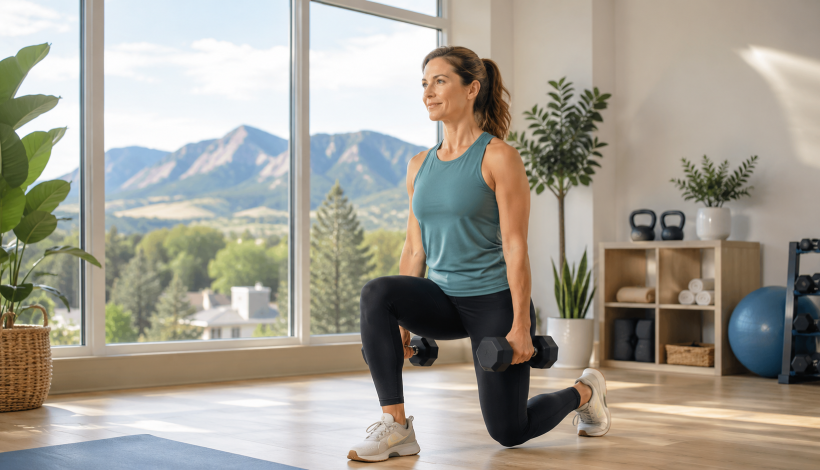
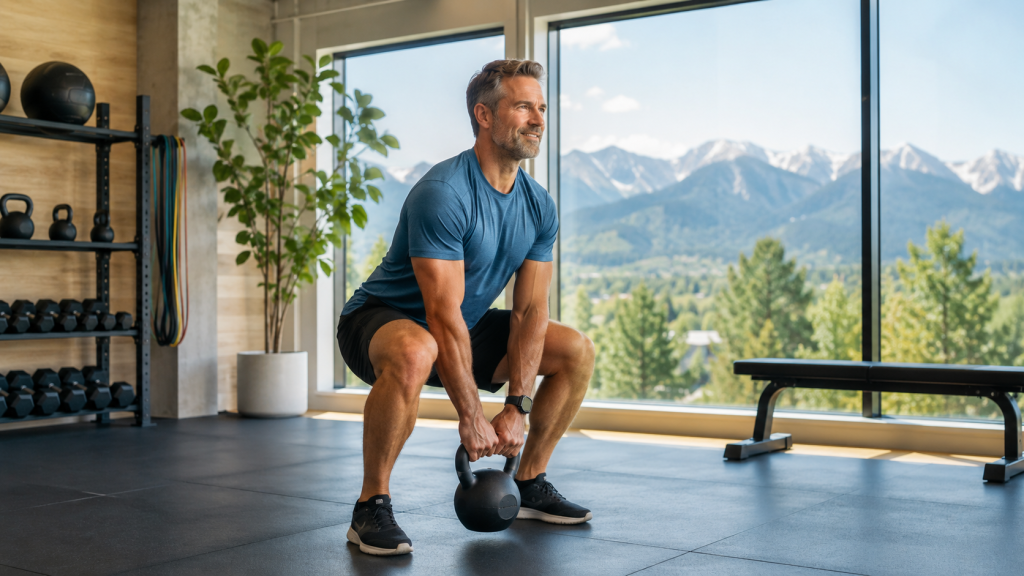
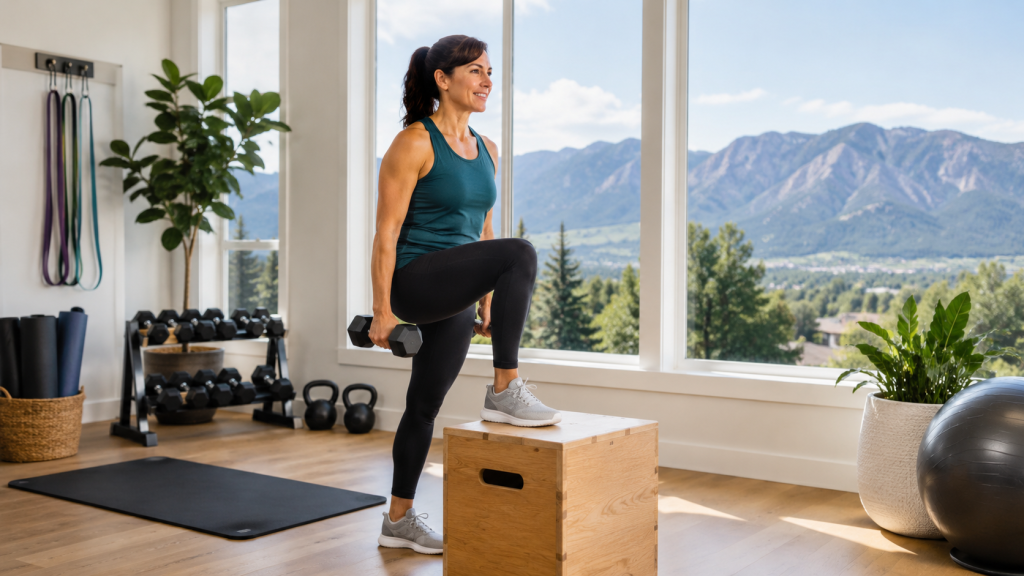
You should be doing exercises that use multiple parts of your body at once (Squats, Presses, Pulls, Hinges). Increase the amount of weight or how difficult each exercise is as you continue to perform them.

Strength Training benefits to your body in terms of Skin and Shape:

  • Fills out areas that look “flat” or droopy after fat loss
  • Helps make the most of your natural body lines and contours
  • Supports good Metabolic Health, which will aid in keeping the weight off

3. Collagen & Nutrient Support

The right supplement and nutrition plan can provide additional skin tightening quality support:

  • 10 – 20 grams of Collagen Peptides/Day – Many individuals see an improvement in skin elasticity/hydration in 8 – 12 weeks.
  • Vitamin C – A co-factor required by your body to produce collagen – Think of it as the “helper” to allow collagen production to occur.
  • Omega-3 Fatty Acids – Promote healthy cellular membranes and will reduce chronic inflammation (which over time damages the skin).
  • Hydration – Well-hydrated tissue is more pliable and less likely to be damaged when adapting to its new shape.

They are not magic pills, but in combination with Protein and Training provide a solid base to begin seeing noticeable results.


4. Thoughtfully Lowering Your Dose of GLP-1 (if applicable)

If you continue to lose significant amounts of weight with a GLP-1 medication, it may be beneficial to decrease the dose of this medication in an attempt to allow your skin to catch up as well.

A decrease in your dose should always be discussed with your prescribing doctor. However, they will likely recommend that you gradually reduce your dosage over a period of time (as opposed to stopping the medication abruptly), so your body has time to adjust and your skin is able to maintain its “shape” at a relatively consistent size.

Skin Tightening consultation

4 External Interventions With Strong Evidence

After you have established an inner habit, in-office technology will be able to greatly enhance and intensify your skin tightening results.

1. InMode Morpheus8 (Radio Frequency Microneedling)

Morpheus8 is one of the strongest non-invasive methods that allow for true skin tightening after weight loss and remodeling.

What It Does:

  • Transmits Radio frequency (RF) through microneedles to create collagen and elastin
  • Creates smoother and more even textured skin
  • Will treat all layers of the skin from top layer down to deeper layers to provide better overall skin tightening

Best For:

  • Abdomen
  • Arms
  • Thighs
  • Neck
  • Jawline

Recommended Plan:

  • Three treatment sessions to be performed 4-6 weeks apart
  • Annual Maintenance to continue producing collagen

2. InMode EvolveX — Transform

The EvolveX Transform works on two levels simultaneously: skin & muscle.

These are the benefits of using EvolveX Transform after losing weight:

  • RF (Radio Frequency) energy is applied to heat the tissues to stimulate collagen contraction and tighten the skin
  • EMS (Electrical Muscle Stimulation) stimulates muscle contractions that help strengthen the muscles underneath.

Both functions work together to improve skin tightening after weight loss, which translates into firmness, contours and shape of your body by non-invasive methods.

Recommended Plan:

  • 6-8 treatments sessions, once a week

Best treatment for mild to moderate sagging skin and also a good post-Morpheus8 or Quantum maintenance treatment. If you are looking to achieve visible skin tightening and toning without going through an invasive procedure, this is a great option.


3. Professional Skincare Support (Epicutis)

Think of the “construction” being in-office treatments, and think of professional skincare support (such as Epicutis) as the “finishing and protecting.”

Epicutis products help to:

  • Reduce inflammation and redness after a series of RF treatments or microneedling
  • Repair and strengthen your natural moisture barrier. Thereby, creating a healthier, more resilient-looking appearance to your skin
  • Help repair and recover your collagen matrix for tighter, and more long-lasting results

A consistent post-treatment (after each treatment session) regimen using a structured post-treatment Epicutis product will maximize your skin tightening results from each session.


4. Lifestyle Habits

The actions taken each day will be either a contributor or an inhibitor to skin remodeling:

  • Maintain your weight for long term consistency to avoid repeated stretch on the same skin area.
  • Apply sunscreen daily because UV exposure degrades collagen resulting in increased laxity with time.
  • Stop using tobacco products (smoking/vaping) since both have significant detrimental effects on collagen and impede blood flow to the skin.
  • Get plenty of sleep. The majority of the body’s tissue repair occurs during deep restorative sleep.

When Skin Tightening Alone May Not Be Enough

Skin tightening alone will probably fail to completely fix your skin if you’ve lost 80-100+ lbs or have extremely loose skin hanging in the form of large folds on your body, especially from your lower abdomen, upper arm areas and/or your inner thigh areas.

You’ll likely need a consultation with a Board-Certified Surgeon for one or more surgical options, i.e., Panniculectomy (to remove excess loose skin hanging from your lower abdomen); Brachioplasty (an arm lift); Thigh Lift; etc. The Morpheus8 and Quantum devices are able to significantly enhance the quality and skin tightening, however, these devices cannot remove all loose skin.

Your Simple Take-Home Plan

There are many ways to follow this and then work with your providers to customize it further to your skin tightening needs.

1. Build Support Internally

  • Reach Your Daily Protein Goal
  • Take Collagen Peptides (10-20 grams/ day)
  • Add Vitamin C & Omega-3s
  • Train With Weights 3-4 Times Per Week

2. Do In-Office Tightening Series

  • Morpheus8: Complete 3 sessions
  • EvolveX Transform: 6-8 weekly sessions
  • Quantum: When deeper or more moderate laxity is present

3. Maintain Recovery & Ongoing Support

  • Use an Epicutis-Based post-procedure regimen to support skin tightening recovery
  • Schedule annual Morpheus8 or Transform maintenance to continue providing your skin with collagen support

4. Maintain Long-Term Protection Of Your Investment

  • Practice Sun Protection
  • Maintain A Stable Weight
  • Live A Healthy Lifestyle

By combining smart internal habits, evidence-based treatments and consistent lifestyle choices, you can help your skin catch up with your new healthier body, so finally your reflection will match how you feel.


You’ve accomplished an incredible amount with your weight loss, but if you’re dealing with excess, loose, or saggy skin after your weight loss, you are certainly not alone.

The right combination of nutrients, exercise, in-office treatments and habits will cause your skin to continue improving for years to come and often exceed your expectations.

If you want a customized program that fits you, your goals, and your GLP-1 and Skin Tightening journey, we invite you to contact us to schedule a consultation to see how we can assist you in creating a healthy, strong you to be proud of and show off with confidence.

a pair of people running on a road

What about exercise?

I can’t tell you how many times people come into my office and say “I just don’t get it; I exercise an hour every day and watch what I eat, and I just can’t lose weight!”.

1dcf2601b1fb4065a32ca5a150da19c1

Exercise is great for the body – it is fantastic for building muscle, for improving mood, for balance and strengthening, and really healthy for the heart (great drug free way to lower blood pressure). Weight lifting and weight bearing activity can strengthen and protect bones from osteoporosis. Yoga and tai chi can improve strength, balance, and flexibility as well as help core muscle strength and back pain issues.

83f44274fef842b18b387e09d7ac92eb

Aerobic exercise – running, biking hard enough to get increase your heart rate up has been proven to boost the size of the hippocampus (the part of brain used in memory and learning) and helps us keep our memories, even when fighting dementia (Harvard). This is especially beneficial now when a new case of dementia is diagnosed every 4 seconds globally. A regular exercise program can also improve mood in people with mild to moderate depression and plays a role in treatment of people with severe depression (Harvard article).

With all that exercise does, it is very beneficial and should be done. It is just not the key for losing weight!

You could run an hour per day and burn 300+ calories, but at the end of the month that is about 9000 calories, which is not worth even 3 pounds of fat loss. Study after study has come out showing that you cannot outrun a bad diet (BMJ article; dietdoctor). This doesn’t mean you shouldn’t exercise, just that you shouldn’t use it as a way to justify your diet.

If you do want to start exercising regularly here are some programs you can try to slowly build up to regular activity:

Push ups are some of nature’s perfect exercises – they improve core muscle strength as well as upper body. If you can’t do push ups on the floor, do them against a counter top to start, or even against a wall! 30 day 50 push up challenge

c9d10b5ed5f2f2bf4d5890a93013cd71

Running or walking can get you good aerobic exercise – you just have to do it fast enough to get your heart rate up.

This is a good starting program for people who are not fit.

Guide to becoming a runner (later in life/safely). I have never been a runner, but I did this challenge last fall and got to where I could run 4 miles 3 times per week before it got too cold – I am starting again this month!

e64294b690628b306575fef0118e1f84

If you’re looking for higher intensity then look into a HIIT program (High-intensity Interval Training). These programs maximizing your exercise in a shorter time by put together the strength training with the cardiovascular workout. I have not tried any of these, but there are a number of programs online. This one appears good for beginners: (3 HIIT workouts for beginners).

Regardless of what activities you decide to do, it is a good idea to first focus on diet when you are making a change. Adopt the LCHF lifestyle for 1-2 months before even worrying about starting a program. Then, when you decide to start activity, start something that is mildly challenging at first to get used to regular activity, then increase intensity as you are able. (5 steps to starting exercise, Mayo Clinic). Showing yourself that you are making progress is important. Make a goal: try to exercise 3 times per week to start, or maybe you want to able to walk up stairs without shortness of breath, or how about running a race – there are tons of short races that are really fun for participants like the color races or mudders. Studies show that people who have a goal are more successful at sticking with exercise. (WebMD – making goals).

6f67b0bffba80ca53830644bb2baa80f
Skip to content