

Most people have two completely different thoughts when it comes to their gut health and blood sugar. Digestion tends to be thought about in terms of bloating, bowel habits, and food sensitivities. Blood sugar is typically talked about in terms of diabetes, energy, and weight.
However, both digestion and blood sugar are actually connected in many ways. The moment you take a bite of a meal, there will begin a cascade of digestive and hormonal responses that determine how quickly your body can put glucose into circulation, how much insulin is produced by the body in response to this increase, and how stable your energy will feel over time.
Understanding this connection can make gut health feel less mysterious and blood sugar management more practical.
How Digestion Affects Blood Sugar
When you take in carbohydrates, your body breaks most of these carbs down to a simple sugar called glucose. Glucose travels into the bloodstream via absorption in the small intestine. Once in the bloodstream, it is available for use as an energy source.
Your pancreas secretes insulin in response to this increase in glucose, which aids in moving glucose out of the bloodstream and into muscle, liver, etc. If glucose enters the bloodstream quickly, the body may need a larger insulin response. When it enters more gradually, glucose levels often rise more steadily.
This is why two meals containing similar amounts of carbohydrates can affect blood sugar differently. A food’s structure, fiber content, processing, preparation method, portion size, and the other foods eaten with it can all influence gut health and glucose absorption.
Why Some Foods Raise Glucose Levels Faster
Highly processed carbs tend to be broken down more quickly by the body’s digestive process. As such, sugary drinks, cakes, candies and other refined grains are likely to lead to a much more rapid increase in your blood glucose levels compared with unprocessed food.
The same is true of many different types of whole foods. Carbs found in beans, lentils, veggies, whole grain breads/cereals, etc (carbs high in fiber) take longer to break down as they are composed of many different layers or structures which need to be broken down before absorption into the bloodstream can occur.
Protein and fat can also slow the digestion of a mixed meal. For example, eating an apple with a handful of nuts may affect glucose levels differently than drinking apple juice. Juice contains carbohydrates but has less intact fiber and requires very little digestion before its sugars are absorbed.
The goal is not necessarily to eliminate carbohydrates. It is to choose balanced meals that provide nutrients and encourage a steadier release of energy.
The Role of Fiber in Gut Health and Blood Sugar
Soluble fiber is digested by the body, but only to a limited extent since it contains many carbohydrates that are unabsorbed. When soluble fiber is exposed to liquid, it absorbs it and becomes a gel that slows down the absorption of glucose as well as the rate at which food moves through the digestive system.
Soluble fiber supplies nutrients to bacteria present in the large intestine (colon), which feed on certain types of fiber. The bacteria break down some of this fiber into short-chain fatty acids.
Researchers are studying how these substances may relate to inflammation, appetite signals, insulin sensitivity, and metabolic health. However, scientists have not identified one “perfect” microbiome or a single probiotic that reliably improves blood sugar for everyone.
Eating a varied diet containing many different plant foods is generally a more practical starting point than depending on one supplement.

Can Gut Health Affect Insulin Resistance?
Gut health and insulin resistance appear to be connected, but the relationship is complicated.
Research studies have demonstrated connections between certain gut microbiomes and chronic diseases, including obesity, insulin resistance, and type 2 diabetes. The mere connection doesn’t imply that there is a direct causal effect from a specific type of bacteria on elevated glucose levels.
In other words, diet, medication, sleep, stress, exercise, genetics, and body mass index (BMI) are all factors which impact our glucose regulation in addition to influencing the types of microbes present in our intestines. Therefore, isolating the individual effects of the intestinal bacteria is very challenging.
For everyday purposes, it is more helpful to focus on habits that support both systems. Nutritious meals, regular movement, adequate sleep, and stress management can benefit gut health and metabolism at the same time.
Blood Sugar Can Affect Digestion Too
The connection is also reversible. Long-term hyperglycemia can affect the entire gastrointestinal tract, including nerves that are associated with GI function. In certain people who have had diabetes for many years, peripheral neuropathy can lead to gastroparesis, which leads to delayed gastric emptying of food from the stomach into the small intestine.
Delayed emptying can produce symptoms such as nausea, early satiety, bloating and/or unpredictable glycemic excursions due to irregular arrival of nutrients into the small intestine.
Occasional digestive discomfort does not automatically mean someone has gastroparesis. Persistent vomiting, unexplained weight loss, severe abdominal discomfort, difficulty eating, or major changes in glucose levels should be evaluated by a healthcare professional.
How to Improve Gut Health Through Your Diet
A diet to help digestion doesn’t have to be a restrictive cleanse with many supplements. A good way to begin could be to gradually introduce more variety in your daily food intake.
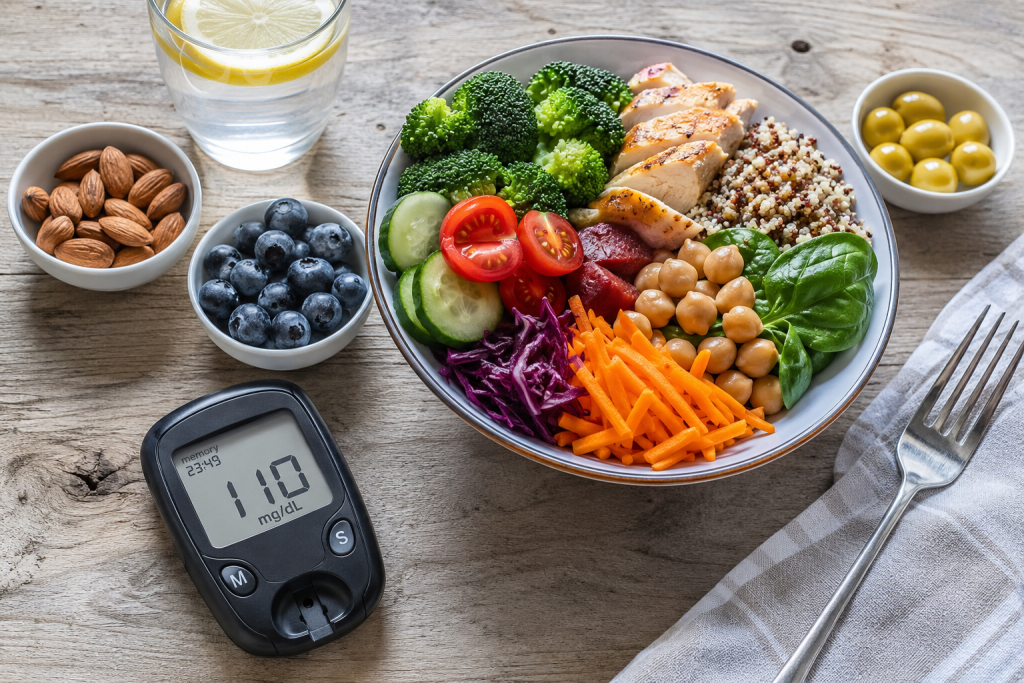
You can start by adding vegetables, beans, lentils, berries, whole grain products (as tolerated), nuts and seeds. If you wish, you may also consider fermented foods like plain yogurt, kefir, kimchi, or sauerkraut for added variety; however, they are not necessary. Increasing fiber too quickly can cause gas or bloating, so make changes gradually and drink enough water. Pairing carbohydrates with protein, fiber, or healthy fats may also help create a steadier post-meal glucose response.
Movement can help as well. A brief walk after eating allows working muscles to use glucose. In Fort Collins, that could mean walking through your neighborhood or visiting a local trail or park when the weather allows.
All of these approaches should be followed under the guidance of a qualified healthcare professional.
Digestion Is Part of the Metabolic Health Picture
Gut health is about more than avoiding digestive symptoms. The way food is broken down, absorbed, and processed helps influence blood sugar, appetite, energy, and overall metabolic health. At the same time, glucose regulation can affect digestive function. If digestive symptoms or changing blood sugar patterns are making it difficult to understand what works for your body, Ideal Metabolic Health and Body in Fort Collins can help you explore those patterns and develop a personalized, realistic approach to nutrition and metabolic wellness.