
insulin resistance and fatty liver 2

Insulin Resistance and Fatty Liver: The Early Warning Sign Many People Miss

Fatty liver is referred to as a “quiet” disease due to many individuals experiencing no noticeable signs in its early stages. Additionally, insulin resistance will typically develop slowly over time prior to blood glucose values appearing concerning. The presence of both should prompt concern for metabolic health.

The connection matters because both are tied to how the body stores, uses, and moves energy. Understanding this relationship can help you recognize patterns sooner and support long-term health.

What Is Insulin Resistance?

Insulin is a hormone that aids in moving sugar from the bloodstream to the cells. It allows the cells to utilize the sugar for energy. Insulin resistance happens when the cells are unable to respond to insulin as efficiently as needed. As a result, the body may produce high insulin levels to keep blood sugar in a normal range.

For a while, this extra insulin can hide the problem. Blood sugar may look “fine,” but high insulin levels may already be placing stress on the body. Common insulin resistance symptoms can include fatigue after meals, cravings, increased hunger, weight gain around the middle, difficulty losing weight, and energy crashes.

What Is Fatty Liver?

Fatty Liver is an accumulation of excess fat in the Liver. A new name to describe these conditions can now be referred to as Metabolic Dysfunction-Associated Steatohepatitic Disease (MASLD). Many people refer to it as Non-Alcoholic Fatty Liver Disease (NAFLD).

The liver’s main job is to help your body break down all food groups into useful nutrients, assist with fat management, aid in maintaining healthy blood glucose levels and act as a filter by eliminating unwanted toxins from your body. If you develop fatty liver then there could be evidence that the body was unable to metabolize its nutrients.

Can Insulin Resistance Cause Fatty Liver?

It may be a strong contributor to the accumulation of fat in the Liver. The Body requires more insulin as the liver’s sensitivity to insulin decreases. This increase in insulin over time promotes fat storage. As a result, there will be a greater likelihood of having fat accumulate in your liver.

This relationship can also go both ways. Fatty liver may worsen metabolic function and make insulin resistance harder to manage. That is why these issues are often discussed together instead of as completely separate problems.

Is Fatty Liver a Sign of Insulin Resistance?

It can be. It does not automatically mean someone has insulin resistance, but it often appears alongside metabolic concerns such as high insulin levels, weight gain, high triglycerides, prediabetes, type 2 diabetes, or increased waist circumference.

For many people, fatty liver is one of the first visible signs that metabolic health is under strain. It may show up on lab work or imaging before a person feels sick. This is why it should not be ignored, even when symptoms are mild or absent.

insulin resistance and fatty liver

Fatty Liver Symptoms Can Be Easy to Miss

There is one major reason many cases of fatty liver disease go unreported. Fatty liver disease symptoms are not always obvious. Many people may experience some of the following:

  • Fatigue
  • Vague upper right abdominal discomfort
  • Low energy (or sluggishness)
  • Lack of motivation

These symptoms can also cause people to miss work due to stress, lack of rest, age, or a busy lifestyle. Therefore, doctors will identify signs of fatty liver by running blood tests, doing ultrasounds or a medical exam for something else.

Because fatty liver symptoms can be subtle, it is important to look at the bigger metabolic picture. Insulin resistance symptoms, high insulin levels, changes in cholesterol, blood sugar patterns, and waist measurement may all offer useful clues.

Why This Matters for Metabolic Health

Metabolic health is not just about weight. It includes how your body manages blood sugar, insulin, inflammation, liver fat, energy, appetite, and body composition. Insulin resistance and fatty liver are both metabolic warning signs that deserve attention.

If weight loss feels slow or unpredictable, these conditions may be part of the reason. When the body is struggling with metabolic balance, cravings may feel stronger, energy may feel inconsistent, and progress may feel harder than expected.

insulin resistance and fatty liver 3

How to Support Better Liver and Metabolic Function

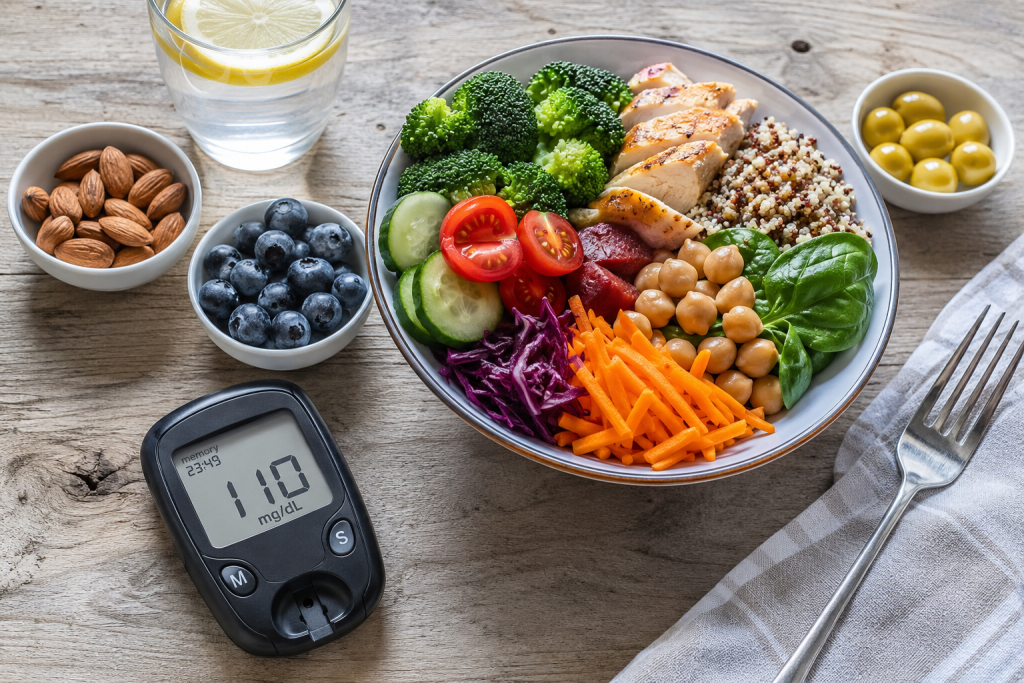
Lifestyle habits can make a meaningful difference. Balanced meals with protein, fiber-rich vegetables, healthy fats, and minimally processed carbohydrates can support steadier blood sugar. Regular movement, especially strength training and walking, can help improve insulin sensitivity and support metabolism.

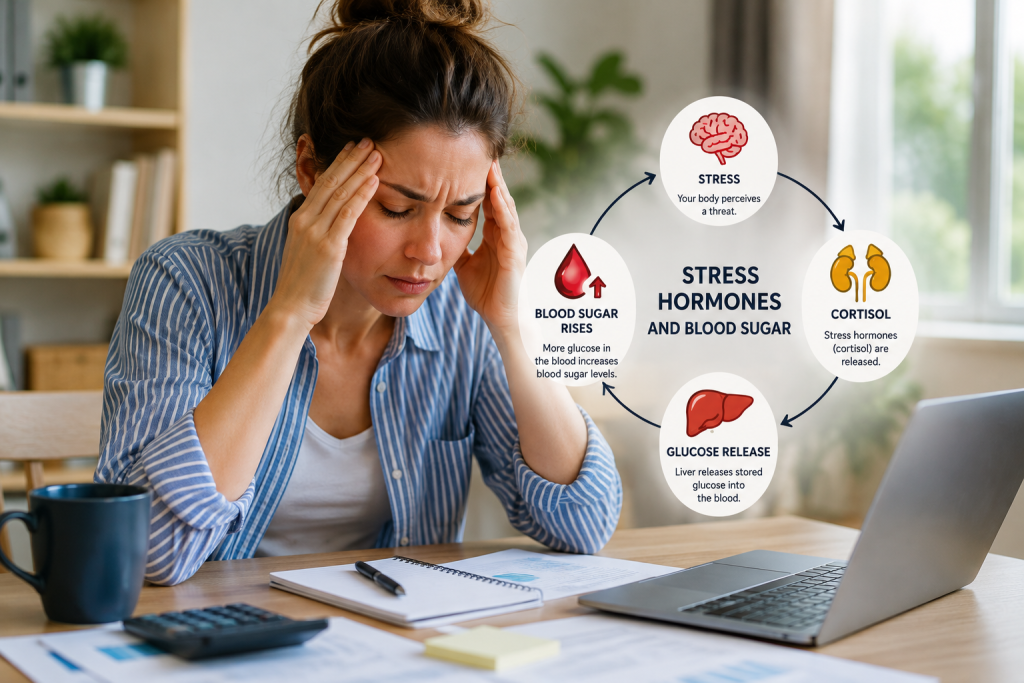
Sleep and stress matter too. Poor sleep and chronic stress can affect hunger hormones, blood sugar regulation, and cravings. Reducing alcohol intake may also be helpful for liver health, especially when fatty liver is already a concern.

Even modest weight loss, when appropriate, may improve liver fat and metabolic markers. More importantly, sustainable habits tend to work better than extreme restriction.

When to Talk With a Healthcare Provider

If you have been told you have fatty liver, high insulin levels, prediabetes, elevated liver enzymes, or symptoms that make you suspect insulin resistance, it is worth having a deeper conversation with a healthcare provider.

Insulin resistance and fatty liver are common, but they are not something to dismiss. They can be early signs that your body needs more support. At Ideal Metabolic Health and Body, the focus is on helping people understand their metabolic health with education, compassion, and personalized care, so they can take realistic steps toward better energy, healthier body composition, and long-term wellness.

weekend weight gain

The Weekend Effect: Why “2 Days Off” Can Stall Metabolic Progress

A lot of people find themselves gaining a little bit of weight by Sunday evening. They have an excellent workweek, yet as soon as they get into their weekend routine, everything falls apart when the weekend weight gain appears.

People trying to lose weight, improve their metabolic health or establish new routines during the week often wonder, “Why am I not losing weight if I’m good most of the week?” It’s very frustrating. Sometimes it doesn’t make sense.

You think, “I’m pretty good with my diet Monday-Thursday. Why am I still having trouble losing weight?”

It’s not always because there’s anything wrong that you’re doing. Often, it comes down to how much your food, sleep, movement, alcohol intake, and stress patterns change over the weekend.

weekend weight gain

Why Weekend Weight Gain Happens

Weekend weight gain usually does not come from one meal. More often, it happens because the structure of the week disappears. During the workweek, meals may be more predictable, sleep may follow a schedule, and movement may be built into the day. On weekends, routines can shift quickly.

  • A late morning meal
  • Dining at restaurants
  • Having some snacks or drinks
  • Indulging in sweets and desserts
  • Taking fewer steps throughout your day
  • Experiencing inconsistent (or irregular) sleep patterns

These are just a few things that can add up quickly. This is why weekend weight gain can happen even when someone feels they are eating “pretty well” most of the time. While each one of these choices seems relatively minor on their own, they can collectively create a significant overall pattern.

The Difference Between Fat Gain and Weight Fluctuation

It’s also helpful to note that weekend weight gain is not always true fat gain; it could simply be retaining additional water. Your scale may go up due to the greater amounts of sodium you consume, as well as an increased amount of carbs, alcohol, lack of sleep, or inflammation from less healthy choices for food.

For example, pizza, takeout, chips, cocktails, and desserts may lead to temporary water retention. That Monday morning jump on the scale may feel discouraging, but it does not always mean your metabolism has slowed or that your progress is gone.

However, if the same weekend pattern happens every week, it can start to affect long-term weight loss and metabolic progress.

How Two Days Can Affect Metabolic Health

What constitutes “metabolic health” is much more than what the scale weighs. Metabolic health also encompasses blood sugar levels, insulin function, overall energy (not just calories), how you get hungry, which foods will satisfy or stimulate your cravings, body fat percentage, and muscularity.

This is not an example of needing to limit your food intake each Saturday and Sunday. It’s simply that your metabolism has its own pattern. If you are consistently eating more during the week when you’re awake longer, sleeping later in the morning, and being less active during the day/weekend, this creates an unstable metabolic rhythm.

Over time, this can contribute to cravings, low energy, excess appetite, and the feeling of having a slow metabolism.

Why Weekends Can Trigger Cravings

Weekends are typically a time when people have many more social opportunities, much more free time and are exposed to many more high-palatability foods, which tend to be higher in sugar, fat, salt and refined carbohydrates; therefore, it is very easy to eat too many of them.

Additionally, lack of sleep (as well as staying up all night, sleeping in until the last minute or consuming alcohol) can create an environment where you will experience an increased amount of cravings.

When we do not get enough sleep, our body’s levels of hunger hormone and glucose become unstable; as a result, on the day that follows this lack of quality sleep, our bodies seek out quick sources of energy, which can show up as cravings for sweets, bread, chips, or larger portions.

This is one reason weekend weight gain is not only about calories. It is also about sleep, stress, hormones, and routine.

weekend weight gain 1

How to Stop Gaining Weight on Weekends Without Being Strict

If you are wondering how to stop gaining weight on weekends, the goal is not perfection. The goal is consistency with flexibility.

Start by keeping one or two anchor habits in place. For example, eat a protein-rich breakfast, take a walk, drink enough water, or keep your usual bedtime within a reasonable range. These small habits can help your body feel more stable even when your schedule changes.

Another helpful strategy is to avoid the “all or nothing” mindset. A relaxed meal does not need to become a full weekend of overeating. You can enjoy dinner out and still return to balanced habits at the next meal.

Build Meals That Support Satiety

Satiety is the feeling of being full and satisfied after eating. Meals that include protein, fiber, and healthy fats tend to support better satiety than meals made mostly of refined carbohydrates.

On weekends, try building meals around lean protein, vegetables, fruit, beans, whole grains, nuts, seeds, or healthy fats. This can help reduce cravings later in the day.

You can still enjoy favorite foods. A balanced approach may look like having the burger with a side salad, enjoying dessert after a protein-based meal, or planning a satisfying brunch instead of grazing all day.

Watch the Hidden Weekend Habits

Sometimes weekend weight gain comes from things that are easy to overlook. Alcohol can add calories, disrupt sleep, and lower food awareness. Restaurant portions are often larger than home-cooked meals. Social snacking can happen even when you are not physically hungry.

Less movement also matters. If weekdays include errands, work routines, or scheduled workouts, and weekends include more sitting, your total energy use may drop.

Instead of tracking everything perfectly, notice the patterns. Ask: What changes most on weekends? Is it sleep, alcohol, snacks, portions, movement, or meal timing?

A Healthier Way to Think About the Weekend Effect

The weekend effect is not about blame. It is about awareness. Weekend weight gain can be your body’s way of showing that your weekday and weekend routines are too different from each other.

A healthy weekend routine should still feel enjoyable. You do not need to give up restaurants, celebrations, or rest. The goal is to create a rhythm that supports your metabolism while still allowing real life to happen.

If weekend habits have been making you wonder, “Why am I not losing weight?” it may be time to look beyond willpower and focus on metabolic health, consistency, sleep, movement, and balanced meals. At Ideal Metabolic Health and Body, education and personalized support can help you better understand your body and make sustainable changes that feel realistic, not restrictive.

Why Am I Always Hungry 1

Why Am I Always Hungry? Leptin, Ghrelin, and the Satiety Signals Behind Cravings

If you regularly find yourself wondering “Why am I always hungry?”, don’t be surprised. Hunger that persists on a regular basis can be very irritating for many people. Even if they have made conscious decisions to eat better, reduce weight or become more metabolically fit, hunger continues to prevail over willpower. The reason we experience hunger has nothing to do with willpower. Hunger is a result of an intricate hormonal and neurological feedback loop consisting of insulin, blood sugar levels, sleep, stress and our day-to-day routine.

There are two primary components of this feedback loop: Leptin and Ghrelin. These hormones control how much food we want to consume and how long it takes us to feel full. When these hormones’ signalling systems are interrupted, we are left to experience constant hunger, increased desire for energy-rich foods and difficulty in feeling full after consuming food.

Understanding Hunger, Cravings, and Satiety

Hunger is a biological sign from your body telling you when you need energy. Cravings, on the other hand, are usually a very strong desire for a certain type of food, e.g., sweets, salt, or extremely processed foods, and satiety is the feeling of being satisfied with how much you’ve eaten. It’s a signal to your brain that you’ve eaten enough.

Knowing this, when you’re able to use your satiety signals well, you should be able to eat a healthy meal and feel fairly comfortable and full for many hours after eating, but if your satiety signals aren’t working properly, you might continue to eat even though you feel like you don’t have enough to satisfy you.

This could cause overeating, excessive snacking, or always feeling hungry.

Ghrelin: The Hunger Hormone

Ghrelin is known as “the hunger hormone” since its concentration in blood increases as soon as you’ve had an empty stomach for a while (usually within 30 minutes) and stimulates your brain to go look for something to eat. Typically, ghrelin concentrations are highest just prior to consuming a meal and lowest shortly after eating.

Normally, this process should be regulated. However, there are times when ghrelin will remain at a higher level than usual or become intensified due to specific behaviors or stresses.

Restrictive dieting, missing meals, inadequate sleep, and excessive stress are some common examples of how individuals experience increased hunger. As such, crash diets are sometimes difficult to complete successfully.

In many cases, the body perceives extreme diet restriction as a threat. If so, the body responds with increased sensitivity to hunger cues; therefore, even low-calorie foods can appear unappealing.

Leptin: The Fullness Signal

Leptin is a hormone produced in fat tissue; it tells the body (and the brain) that we have sufficient energy stores for our needs. For many, leptin signals the brain that “we have enough” of what is needed for our bodies’ biological needs.

However, there are individuals who experience leptin resistance. This phenomenon occurs when there is sufficient leptin being produced within the body, but the brain is unable to receive or interpret this message appropriately.

As a result, despite having adequate levels of stored energy within the body, the brain continues to perceive that it lacks the necessary energy. This creates an increase in appetite, a decrease in satiation and makes it difficult to regulate food intake.

This is one reason weight management is more complicated than “just eat less.” Appetite is influenced by biology, not just choices.

Why am I always hungry?

Why Am I So Hungry All the Time?

There could be a variety of factors leading to constant hunger. A very common reason behind this is the fact that many people consume meals that are digested much more quickly than expected. When a meal is low in protein, fat, or fiber, as well as has been highly processed and contains refined carbohydrates, then it will likely provide little in terms of satiation. (Yes, it’s not always your fault)


On the other hand, poor sleep affects our hormone levels related to both hunger and satiety. So, when we do not get enough sleep, we tend to feel hungrier. And when we experience stress, it tends to promote a greater appetite for energy-dense foods such as those containing lots of added sugars or refined carbohydrates.

These statements do not imply that you lack self-discipline. They simply illustrate how your body responds to what you perceive as stressful situations.

There are other potential causes, including, but not limited to:

  • Dehydration
  • Excessive use of alcohol
  • Certain types of medications
  • Hormonal imbalance
  • Insulin sensitivity issues
  • Thyroid disorders
  • Blood sugar issues 

As an example, if you feel extremely hungry often, or find yourself feeling hungry at times that seem unexplained, it would be great to discuss this with your healthcare professional.

How Metabolic Health Affects Appetite

Metabolic health refers to how well your body uses and stores energy. It includes blood sugar regulation, insulin sensitivity, hormone balance, body composition, inflammation, and energy levels.

When metabolic health is out of balance, the question “why am I always hungry” can become harder to answer for you, as your appetite can become harder to regulate. For example, insulin resistance may make it more difficult for the body to manage blood sugar efficiently. This can contribute to energy crashes, cravings, and frequent hunger. Preserving muscle mass is also important because muscle plays a key role in metabolism and long-term health.

This is why a whole-person approach matters. Hunger is not only about what you ate at your last meal. It can also reflect sleep quality, stress, movement, hormones, meal timing, and the types of foods you eat most often.

Why am I always hungry?

Practical Ways to Support Better Satiety

Improving satiety does not require perfection. Small, consistent habits can help your body send and receive hunger signals more clearly.

Start by building meals around protein, fiber-rich vegetables, and minimally processed foods. Protein helps support fullness and muscle maintenance, while fiber slows digestion and supports steadier energy. Adding healthy fats, such as avocado, olive oil, nuts, or seeds, can also help meals feel more satisfying.

Try to avoid long periods of extreme restriction, especially if they lead to intense cravings later. Prioritize sleep when possible, since appetite regulation is closely connected to rest. Managing stress is also important, even through simple practices like walking, breathing exercises, journaling, or setting regular meal times.

It may also help to slow down while eating. Satiety signals take time to register, so eating quickly can make it easier to overshoot fullness before your brain catches up.

When Hunger Is a Signal to Look Deeper

If you keep wondering “why am I always hungry?” Don’t worry, feeling hungry is normal, but feeling hungry all the time may be a sign that your body needs more support. Instead of blaming yourself, consider hunger as information. Your body may be asking for better nourishment, steadier blood sugar, more sleep, less stress, or a deeper look at your metabolic health.

If you have been struggling with constant hunger, cravings, or excess appetite, learning how your hormones and satiety signals work can be an empowering first step. At Ideal Metabolic Health and Body, the focus is on helping people better understand their bodies through personalized, compassionate metabolic care. If you are ready to explore what may be driving your hunger, a gentle conversation with a knowledgeable provider can help you take the next step toward feeling more balanced and in control.

Healthy diet and diabetes

Healthy Diet and Diabetes: Why Some “Healthy Foods” Spike Glucose

When you develop an appropriate food choice based upon a plan that includes managing your healthy diet and Diabetes, there are likely to be many choices often associated with being good for you, such as oatmeal, smoothies (typically fruit-based), whole-grain bread (or toast) and fresh fruits. What is typically surprising about this list is how quickly and significantly glucose levels may spike from consuming one or more of these at times.

If you have asked yourself questions such as “Why is my morning blood sugar so high?” or “Why is my blood sugar higher than normal after consuming what has been identified as a ‘clean’ meal?”, then you are certainly not alone.

Let’s break down why this happens and provide alternatives to help minimize increases in blood sugar and improve your overall health.

Why Do “Healthy” Foods Spike Glucose?

Not everyone has stable blood sugar levels, even when they are eating a balanced, healthy diet. The manner in which your body reacts to carbohydrates is dependent on multiple factors:

  • Your level of insulin sensitivity (how well you use the insulin that is produced)
  • The amount of muscle mass you have
  • How stressed out you are
  • How much sleep you get per night
  • Whether or not you currently experience some form of insulin resistance
  • What type of diabetes you have

Just because a food is labelled as whole grain, organic or “natural,” does not mean it will be processed by your body slowly. In fact, it could very easily cause an increase in glucose levels quickly if your body processes carbs poorly.

It does not mean this food is bad; it simply means that it might not fit your metabolic needs.

Common Healthy Foods That May Spike Blood Sugar

The list below includes examples of common food items that may have unexpected effects on glucose levels:

1. Oatmeal

The oats found in oatmeal are typically included in an otherwise healthy diet and diabetes management plans. However, for many people with Insulin Resistance, oatmeal will rapidly elevate their blood glucose levels. Typically, this occurs when oatmeal is consumed by itself, i.e., without the presence of either fat or protein.

2. Fruit Smoothies

Fruit is generally considered a nutritious food item. Blending fruit, however, removes most of the fiber that causes the fruit to be digested slowly. Therefore, a fruit smoothie made from banana and mango (for example) can produce a more rapid rise in blood sugar levels than consuming the same fruits as individual pieces of fresh fruit.

3. Whole Grain Breads

Although whole grain breads may appear to provide a healthier alternative compared to white flour breads; because these products have been refined to such a degree, they can also result in a more immediate response of the body’s blood sugar levels (which can manifest itself through a variety of symptoms such as fatigue, dizziness/shakiness, etc.); although it should be noted due to the processing of the product rather than the type of grain used.

4. Low-Fat Yoghurt

Some types of low-fat yogurt may contain additional sugars, so while the label may indicate “low-fat” and “healthy”, the actual impact of this type of yogurt on your average glucose levels may exceed what was anticipated.

What Happens During a Glucose Spike?

When carbohydrate-heavy foods are eaten, they cause an immediate increase in blood sugar. If a person has less than usual insulin sensitivity, then their body is unable to manage this rapid spike as well as it could. Additionally, this increase may remain elevated for a longer period of time. As such, over a prolonged period of time, these frequent glucose spikes can:

  • Increase your A1C levels
  • Limit how effectively your body can regulate its own blood sugar levels
  • Cause you to gain more weight
  • Reduce insulin sensitivity in your body

Normal blood sugar levels will vary from one person to another, but if your glucose levels consistently exceed what are considered normal ranges (acceptable blood sugar levels), you will have an increased risk of developing long-term health problems.

What to Eat Instead

The purpose is to make healthy food choices, not to get rid of them. Here are smarter swaps for maintaining consistent blood glucose levels:

Pair Carbs with Protein and Fat

Substitute:

  • Plain oats → Oats + Chia Seeds + Nuts + Greek Yogurt
  • Single Fruit → Apple Slices + Almond Butter

Eating carbohydrates with protein and fat will slow down the carbs digestion process and reduce the amount of glucose entering your bloodstream at one time.

Select Lower Glycemic Index Food Choices

Replace:

  • White Rice → Cauliflower Rice/Quinoa
  • Fruit Juice → Whole Berries
  • Regular Processed Bread → Sprouted Grain/Bread Alternatives (Lower Carb)

Place A Priority On Eating High Fiber And Whole Foods

Non-starchy vegetables, lean protein sources, and healthy fats are all basic to a strong, healthy diet and diabetes management strategy.

Why Morning Blood Sugar Can Be High

If you have been asking yourself, “Why is my morning blood sugar so high?” It may be because of a natural release of insulin-stimulating hormones (the dawn phenomenon) when the body normally raises glucose levels as part of its wake-up routine.

However, if your glucose levels continue to elevate throughout the day, this could be an indication of insulin resistance or nighttime glucose fluctuations. 

The way you eat for dinner can have a direct impact on stabilizing your overnight readings. However, reducing the amount of refined carbohydrates consumed at dinner and increasing the amount of protein will assist in stabilizing your overnight readings.

The Bigger Picture: Personalization Matters

All bodies are different, so what works for one person as a “healthy diet” for managing diabetes won’t necessarily work for someone else.

The best way to determine how your body reacts to food, besides lab tests or continuous glucose monitoring (CGM), is by identifying those specific dietary patterns as early as possible to avoid long-term damage to your metabolic function.

Ideal Metabolic Health and Body in Fort Collins supports you to find out how you react to different types of foods and to develop lasting ways to keep your blood sugar under control while promoting optimal metabolic health.

Making small lifestyle changes can have an enormous effect on how you are feeling on a daily basis.

Insulin resistance vs. Diabetes

Insulin Resistance vs. Diabetes: What Changes First?

While many people associate both “insulin resistance” and “diabetes”, these two conditions are NOT identical. Although they are very related to each other, one condition almost always develops long before the other. Knowing which of the two occurs first will allow you to take early action that will ultimately support your overall long-term health (and well-being).

In the simplest of terms, let’s see.

What Is Insulin Resistance?

When you have high levels of sugar in your blood and are unable to get those sugars inside your cells using less and less insulin, you develop a condition called insulin resistance. It means that when you take the insulin, your cells do not respond to the insulin as well as they should.

In order to overcome this problem, your pancreas will make more insulin than ever before. The amount of extra insulin that you need to produce can be so great that you might still appear to have normal blood sugar levels. That’s why you can live with insulin resistance for such a long time without even knowing about it.

However, while your glucose levels look like they’re fine on the outside, your body has become overworked. Some of the most common signs of insulin resistance can include:

  • Feeling tired after meals
  • Hunger or craving sweets more frequently
  • Weight gain, particularly around your midsection
  • Difficulty losing weight and/or improving insulin resistance
  • Brain fog, or lack of energy

The above can occur many years before type 2 diabetes develops.

The Moment Diabetes Enters Your Life

Diabetes begins once you are unable to control how much glucose is in the bloodstream.

For most people who have type 2 diabetes, their bodies will be resistant to insulin before they develop diabetes. As a result of that insulin resistance, the pancreas has a hard time producing enough insulin to meet that resistance. At some point, the pancreas can’t produce enough insulin, and as a result, your blood glucose levels are too high all of the time, which is when you are diagnosed with diabetes.

In contrast, type 1 diabetes is an autoimmune disease, and therefore, it cannot be attributed to insulin resistance since it occurs at a younger age than type 2 diabetes.

When we compare insulin resistance and diabetes in adults, we are generally talking about how type 2 diabetes progresses through the body.

What Changes First?

Typically, the first change that occurs in the body isn’t diabetes itself. The very first change is usually an insulin resistance. Here is a step-by-step explanation of how this progression normally works:

  1. The cells become resistant to insulin (meaning they don’t respond as well).
  2. The body begins producing higher amounts of insulin to help make up for the lower response rate from the cells.
  3. As time progresses, high levels of insulin are produced for many years, even when the cells are still not responding as they should.
  4. During these years of high insulin production, weight gain and other metabolic changes will likely occur.
  5. Eventually, glucose levels will start to rise into the bloodstream.
  6. At some point after the glucose has started to rise, signs of diabetes will begin to emerge and a diagnosis will follow.

This entire process can take many years; which is one reason why it is so critical to have awareness of your body at an early stage.

Signs of Diabetes vs. Early Insulin Resistance

Recognizing the differences can help you identify what is going on with your body early on.

Symptoms of early insulin resistance can be as follows:

  • Weight loss is difficult
  • Your energy crashes
  • You have cravings
  • A small increase in your fasting blood sugar levels
  • Diabetes symptoms can be very apparent, as follows:
  • Increased thirst
  • Frequent urination
  • Blurry vision
  • Poorly healing wounds
  • Unexplainable fatigue

As you can see, many times people will first experience symptoms of insulin resistance that are not so noticeable (before they exhibit symptoms of full-blown diabetes).

Can Insulin Resistance Be Reversed?

Short answer: YES! The good news about insulin resistance is that it is possible to improve insulin sensitivity through a correct method of treatment. Most insulin resistant individuals find that the first steps toward improving their insulin sensitivity involve lifestyle modifications such as:

  • A nutritionally balanced meal plan that helps regulate blood glucose levels.
  • Regular strength training and physical activity.
  • Obtaining quality sleep each night.
  • Practicing stress-reducing techniques.
  • Working with medical professionals for guidance.

When small, consistent changes are implemented to daily habits, these actions can result in significant positive improvement in insulin function over time.

Supporting Your Body Before Blood Sugar Rises

Understanding the differences between insulin resistance and diabetes is an important way to protect your future health. By recognizing early changes in your body’s ability to process glucose and metabolic processes, you provide your body with the chance to correct itself and be more responsive in the future.

At Ideal Metabolic Health and Body in Fort Collins, we want you to be able to make sense of your insulin resistance and/or diabetes. We are here to guide you on your journey toward a better understanding of your body and promote your metabolic health, as well as provide you with tools to proactively address issues that may potentially develop from small imbalances before they become larger issues.

Skip to content