
weight loss program

The First 90 Days of a Medical Weight Loss Program

Starting a weight loss program often comes with a mix of excitement, uncertainty, and one important question: When will I see results?

Although you probably want to lose weight fast, it is rare that long-term, meaningful weight loss occurs at an absolute linear pace. The first three months of weight loss for most people will focus much more on developing a sense of what their body does with food, establishing a strong support system and healthy habits, and creating a weight loss program they can sustain.

A medically guided program can also consider factors that ordinary diets may overlook, including your health history, medications, sleep, stress, appetite, and metabolic needs. Here is a realistic look at what your first three months may involve.

How Does a Medical Weight Loss Program Work?

Weight loss programs for medical purposes can be more individualized compared to diets. The first step is generally a review of your current weight, past weight loss experience, eating habits, physical activity levels, health problems you have or that you think you might develop in the future (including those related to genetics), and what your goals for losing weight are.

Depending on the provider and based on your specific needs, it could include:

  • Nutritional guidelines specifically for you
  • Progress check-ins regularly to track how well you’re doing with the plan
  • Guidance for increasing your level of physical activity
  • Coaching in behavior and lifestyle changes
  • Laboratory tests as needed
  • Treatment through prescription medication when it is deemed medically necessary

Prescription medication is not automatically part of every program. When it is considered, the decision should be based on a professional evaluation of your health, risks, medications, and treatment goals. Weight-management medications are intended to complement nutrition, activity, and other lifestyle changes rather than replace them.

weight loss program

Days 1–30: Learning Your Starting Point

The initial phase of many diets, which typically takes place during the first month of a new dieting regimen, is most commonly associated with making changes to your eating habits. These changes might include: altering the composition of meals (i.e. increasing the amount of high-protein and high-fibre foods) and increasing water consumption, as well as being more mindful of portion sizes.

When working on a healthy diet, rather than implementing some type of very restrictive diet, your health care professional will assist in developing a diet plan for losing weight, which includes healthy eating options based upon your daily activities, dietary needs, and personal preferences. Typically, it is easier to adhere to a diet when it provides a sense of balance and does not limit food choices so drastically that you are unable to continue with the plan once you reach your desired level of weight loss.

During this stage, you may notice improvements beyond the scale, such as:

  • Better control over hunger and cravings
  • More consistent energy
  • Improved digestion
  • Better meal planning
  • Greater awareness of emotional or stress-related eating

Some people lose more weight during the first few weeks because of changes in water retention and food intake. Others see slower progress. Neither experience automatically predicts long-term success.

Days 31–60: Building a Consistent Routine

During the second month, you may find that the thrill of beginning a new program has faded. It’s during this time that establishing routines and habits will become increasingly important.

You can expect your weight loss program to be modified depending upon your results, appetite, energy levels, how well you are able to tolerate certain elements of the diet, or if there have been difficulties with recommendations.

A balanced diet for a weight loss program does not have to mean eating the same meals every day. It generally means creating meals with enough protein, fiber-rich foods, healthy fats, and appropriate portions to support nutrition while reducing overall energy intake.

You may experience weeks when the scale moves less than expected. Body weight can fluctuate because of sodium intake, hydration, digestion, hormonal changes, and other factors. Progress should therefore be evaluated through several measures, including waist measurements, energy, appetite, physical ability, and how consistently you are following your plan.

Days 61–90: Evaluating Your Progress

By the third month, most people are beginning to understand what lifestyle choices may be achievable long-term and where they need continued support.

At this point, there are many different things that could influence the amount of weight you lose by the end of 90 days (for example, how much you weighed at the start, if you have medical issues, medications that might affect your metabolism or other health-related variables), as well as your age, physical activity level, quality of your sleep and your compliance with the treatment plan. Because of all these variables it would be foolish to use someone else’s outcome to measure your own..

The CDC notes that gradual weight loss of approximately one to two pounds per week is more likely to be maintained than faster weight loss. However, this is general guidance—not a promise or mandatory weekly target for every person.

By day 90, valuable progress might include:

  • A lower body weight or waist measurement
  • Better eating and activity routines
  • Fewer cravings or episodes of overeating
  • Improved confidence around food
  • Better energy, mobility, or sleep
  • A clearer plan for the following months

Even a modest weight loss program can support meaningful health improvements. Federal health guidance commonly identifies losing approximately 5% to 10% of starting weight over about six months as a realistic initial goal, although individual goals should be developed with a healthcare professional.

Can You Lose Weight Fast in 90 Days?

It’s easy to get caught up in searching for the fastest method of losing weight when extra body fat is negatively impacting either your physical or emotional well-being. Losing weight too quickly with severe restrictions will most likely create a difficult time of obtaining proper nutrients or maintaining your results.

A good program is focused on achieving healthy weight loss versus punishing yourself. The first 90 days of the program should be used to develop a foundational approach to continuing healthy weight loss habits instead of developing an approach that will end once the weight loss program has ended.

Your Results Are Only Part of the Story

What to expect during a medical weight loss program will vary from person to person. Some people respond quickly, while others need more time and adjustments. What matters most is that your approach is safe, personalized, and designed around your health rather than a generic timeline.

At Ideal Metabolic Health and Body in Fort Collins, we understand that lasting weight loss involves more than being told to eat less or exercise more. Our team is here to help you understand your body, build a realistic plan, and move through each stage of your journey with informed and compassionate support.


Why Am I Always Hungry 1

Why Am I Always Hungry? Leptin, Ghrelin, and the Satiety Signals Behind Cravings

If you regularly find yourself wondering “Why am I always hungry?”, don’t be surprised. Hunger that persists on a regular basis can be very irritating for many people. Even if they have made conscious decisions to eat better, reduce weight or become more metabolically fit, hunger continues to prevail over willpower. The reason we experience hunger has nothing to do with willpower. Hunger is a result of an intricate hormonal and neurological feedback loop consisting of insulin, blood sugar levels, sleep, stress and our day-to-day routine.

There are two primary components of this feedback loop: Leptin and Ghrelin. These hormones control how much food we want to consume and how long it takes us to feel full. When these hormones’ signalling systems are interrupted, we are left to experience constant hunger, increased desire for energy-rich foods and difficulty in feeling full after consuming food.

Understanding Hunger, Cravings, and Satiety

Hunger is a biological sign from your body telling you when you need energy. Cravings, on the other hand, are usually a very strong desire for a certain type of food, e.g., sweets, salt, or extremely processed foods, and satiety is the feeling of being satisfied with how much you’ve eaten. It’s a signal to your brain that you’ve eaten enough.

Knowing this, when you’re able to use your satiety signals well, you should be able to eat a healthy meal and feel fairly comfortable and full for many hours after eating, but if your satiety signals aren’t working properly, you might continue to eat even though you feel like you don’t have enough to satisfy you.

This could cause overeating, excessive snacking, or always feeling hungry.

Ghrelin: The Hunger Hormone

Ghrelin is known as “the hunger hormone” since its concentration in blood increases as soon as you’ve had an empty stomach for a while (usually within 30 minutes) and stimulates your brain to go look for something to eat. Typically, ghrelin concentrations are highest just prior to consuming a meal and lowest shortly after eating.

Normally, this process should be regulated. However, there are times when ghrelin will remain at a higher level than usual or become intensified due to specific behaviors or stresses.

Restrictive dieting, missing meals, inadequate sleep, and excessive stress are some common examples of how individuals experience increased hunger. As such, crash diets are sometimes difficult to complete successfully.

In many cases, the body perceives extreme diet restriction as a threat. If so, the body responds with increased sensitivity to hunger cues; therefore, even low-calorie foods can appear unappealing.

Leptin: The Fullness Signal

Leptin is a hormone produced in fat tissue; it tells the body (and the brain) that we have sufficient energy stores for our needs. For many, leptin signals the brain that “we have enough” of what is needed for our bodies’ biological needs.

However, there are individuals who experience leptin resistance. This phenomenon occurs when there is sufficient leptin being produced within the body, but the brain is unable to receive or interpret this message appropriately.

As a result, despite having adequate levels of stored energy within the body, the brain continues to perceive that it lacks the necessary energy. This creates an increase in appetite, a decrease in satiation and makes it difficult to regulate food intake.

This is one reason weight management is more complicated than “just eat less.” Appetite is influenced by biology, not just choices.

Why am I always hungry?

Why Am I So Hungry All the Time?

There could be a variety of factors leading to constant hunger. A very common reason behind this is the fact that many people consume meals that are digested much more quickly than expected. When a meal is low in protein, fat, or fiber, as well as has been highly processed and contains refined carbohydrates, then it will likely provide little in terms of satiation. (Yes, it’s not always your fault)


On the other hand, poor sleep affects our hormone levels related to both hunger and satiety. So, when we do not get enough sleep, we tend to feel hungrier. And when we experience stress, it tends to promote a greater appetite for energy-dense foods such as those containing lots of added sugars or refined carbohydrates.

These statements do not imply that you lack self-discipline. They simply illustrate how your body responds to what you perceive as stressful situations.

There are other potential causes, including, but not limited to:

  • Dehydration
  • Excessive use of alcohol
  • Certain types of medications
  • Hormonal imbalance
  • Insulin sensitivity issues
  • Thyroid disorders
  • Blood sugar issues 

As an example, if you feel extremely hungry often, or find yourself feeling hungry at times that seem unexplained, it would be great to discuss this with your healthcare professional.

How Metabolic Health Affects Appetite

Metabolic health refers to how well your body uses and stores energy. It includes blood sugar regulation, insulin sensitivity, hormone balance, body composition, inflammation, and energy levels.

When metabolic health is out of balance, the question “why am I always hungry” can become harder to answer for you, as your appetite can become harder to regulate. For example, insulin resistance may make it more difficult for the body to manage blood sugar efficiently. This can contribute to energy crashes, cravings, and frequent hunger. Preserving muscle mass is also important because muscle plays a key role in metabolism and long-term health.

This is why a whole-person approach matters. Hunger is not only about what you ate at your last meal. It can also reflect sleep quality, stress, movement, hormones, meal timing, and the types of foods you eat most often.

Why am I always hungry?

Practical Ways to Support Better Satiety

Improving satiety does not require perfection. Small, consistent habits can help your body send and receive hunger signals more clearly.

Start by building meals around protein, fiber-rich vegetables, and minimally processed foods. Protein helps support fullness and muscle maintenance, while fiber slows digestion and supports steadier energy. Adding healthy fats, such as avocado, olive oil, nuts, or seeds, can also help meals feel more satisfying.

Try to avoid long periods of extreme restriction, especially if they lead to intense cravings later. Prioritize sleep when possible, since appetite regulation is closely connected to rest. Managing stress is also important, even through simple practices like walking, breathing exercises, journaling, or setting regular meal times.

It may also help to slow down while eating. Satiety signals take time to register, so eating quickly can make it easier to overshoot fullness before your brain catches up.

When Hunger Is a Signal to Look Deeper

If you keep wondering “why am I always hungry?” Don’t worry, feeling hungry is normal, but feeling hungry all the time may be a sign that your body needs more support. Instead of blaming yourself, consider hunger as information. Your body may be asking for better nourishment, steadier blood sugar, more sleep, less stress, or a deeper look at your metabolic health.

If you have been struggling with constant hunger, cravings, or excess appetite, learning how your hormones and satiety signals work can be an empowering first step. At Ideal Metabolic Health and Body, the focus is on helping people better understand their bodies through personalized, compassionate metabolic care. If you are ready to explore what may be driving your hunger, a gentle conversation with a knowledgeable provider can help you take the next step toward feeling more balanced and in control.

Fat Reduction Fort Collins

What to Expect in Month 1 of a Weight Loss Program

Your first month starting a weight loss program is typically a mix of excitement and possibly a little anxiety, whether you are joining a weight loss clinic in Fort Collins or developing your own program from the comfort of your own home. The first thirty days will set the stage for your overall success and create habits that help you maintain your new lifestyle. By understanding what may be happening during this time frame, you can also enhance your experience, make the process more enjoyable, and ultimately more sustainable.

Here’s a friendly overview of your first month on your weight loss journey and how to achieve your goals.

Week 1: Preparation & Assessments

Week 1 is essentially about getting ready & understanding where you’re at. Most weight loss programs begin with an assessment (Weight measurement, Body measurements, etc.) as well as setting realistic expectations and planning your meal program.

The initial meal program will focus on creating a balance of lean protein, green vegetables, whole grain products & healthy fats for your weight loss diet. You will also be encouraged to start light physical activity to help support your metabolism by creating some movement in your day, this does not have to be intense or overwhelming.

Expect to spend most of the time in the first week feeling like you’re just trying to get a handle on what you need to do to create the change you want to see in your lifestyle.

Week 2: Building Consistency

Week 2 will be focused on building consistent habits into your lifestyle.

The first week, your body was adjusting to the new calorie intake and exercise routine. Now, it is responding to the changes made during the last week:

  1. Tracking your food & physical activity: Using a food diary or apps can help you maintain tracking of your meal plans and recognize patterns related to your weight loss.
  2. Finding new recipes that are low in calories, yet still taste great – By trying different and creative ways to prepare healthy meals, you can make a balanced diet for weight loss fun again, rather than feeling deprived of foods you enjoy.
  3. Engaging in light physical activities (walking, stretching, etc.): Gentle exercise will support your weight loss and help your metabolic rate.

In this stage, people begin to experience noticeable and positive changes (i.e., increased energy and better digestion), which can help motivate them to continue their weight loss journey.

Week 3: Adjusting and Learning

You’ve probably already seen some improvements by week 3 in your body’s ability to lose fat. The potential is great; however, there may be minor adjustments you’ll have to make during week 3 as your body continues to adjust.

At times, you may feel cravings, changes in how much weight you’ve lost over the course of the week, or you may experience a plateau. A quality weight loss program will help you navigate all of those issues and continue to promote healthy habits and weight loss for weeks and months to come with:

  1. Adjustments in your program: This includes portion sizes, meal timing, or the amount of physical activity you’re doing on a daily basis, based on what works best for your lifestyle.
  2. Supplement recommendations (if necessary): If your clinic offers weight loss supplements, they can help enhance your metabolic function while you follow the appropriate diet and exercise guidelines.
  3. Self-reflective encouragement: Reflecting on your eating habits, your food triggers, and your stressors will help you avoid relapses and maintain consistent weight loss progress.

Week 3 is primarily about discovering which aspects of the program work well for your body and developing a routine that makes sense to you.

Week 4: Celebrating Wins and Planning Ahead

Week 4 is an ideal time to acknowledge all the things you’ve accomplished so far this month, even if it’s just a few pounds. It is also the best time to measure the results (i.e., compare your current weight, measurements, etc., to where you were at the beginning) and make some adjustments to your diet as needed.

By week 4, you will be able to fine-tune your healthy diet plan for weight loss with greater accuracy since you now know what works well for you and what doesn’t.

Additionally, establishing a solid foundation of momentum during the second month is key to successful long-term weight management. Many find that after the first month, their confidence and energy levels are at an all-time high and are ready to take on the next challenge.

Tips for Success in Month 1

  1. Stay hydrated: Drinking water will increase your body’s ability to metabolize and prevent excess snacking.
  2. Prioritize sleep: Getting a good night’s rest will be a huge help in losing weight and maintaining good health.
  3. Be patient and consistent: Losing weight too fast is not safe. Therefore, make slow and healthy choices to lose weight that will last a lifetime.
  4. Look for professional support: If you have any questions or need assistance with your weight loss plan, Ideal Metabolic Health & Body in Fort Collins is here to help you reach your goals.

Starting Strong Matters

Your first month is where everything begins. If you are looking to quickly lose weight or develop a long-term healthy habit, adhering to a structured weight loss program and a healthy, balanced diet for weight loss gives you the greatest opportunity for achieving your objectives.

At Ideal Metabolic Health and Body in Fort Collins, our team is available to assist you as you develop a weight loss plan that meets your needs, your goals, and your body.

With proper support and guidance, your first month will be just the beginning of an empowered, reasonable, and fulfilling experience. Do you need help? We are here for you!

ideal metabolic

No “good” or “bad” foods?

In this past week I have seen several different articles and posts from dietitians who are recommending that people shouldn’t diet, that there are no foods that shouldn’t be eaten, and that weight is not intrinsically tied to health.

I agree 100% with those statements, although not for the reason these dietitians state.

First – people shouldn’t diet. No, people really shouldn’t diet. To diet implies temporarily changing what you are eating, usually to lose weight or for a short term goal. I agree that people should not do this. We have been “dieting” for the past 50 years, and we have just ended up heavier and more sick as a country. Have you noticed that when we decided fat was bad (late 70s-early 80s) we ate less fat and significantly increased the carbs, and our obesity rate quickly climbed.

rate of overweight

What is better than dieting is to find a lifestyle that you can live with that doesn’t lead to chronic illness. I favor the lower carb real food plan which includes eating real food and maintaining health. When we eat “food-like substances” instead of real food, we tend to overload our bodies with the trifecta of processed grains, vegetable oils and sugar, leading to insulin resistance and chronic disease.

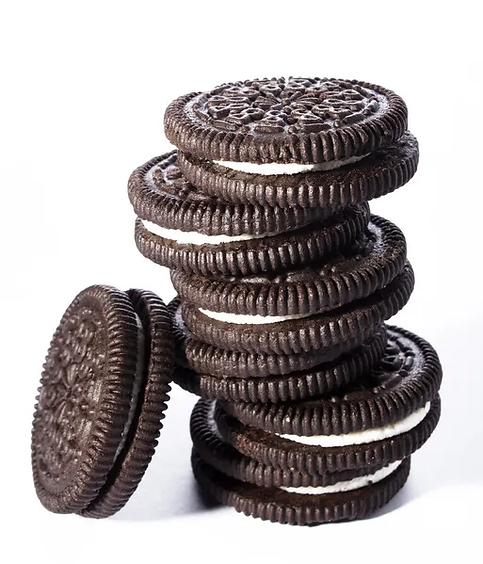
Second – there are no “good” or “bad” foods. I agree with this statement but I challenge you to actually call a lot of substances sold in the grocery store food. If you are eating real food, there is not “bad” food. But if you are eating ‘Unbeached Enriched Flour, Sugar, Palm and/or Canola Oil, Cocoa, High Fructose Corn Syrup. Leavening, Salt, Soy Lecithin, Chocolate, artificial flavor’ are you actually eating food? What about ‘Corn, vegetable oil, salt, cheddar cheese, whey, monosodium glutamate, buttermilk, romano cheese, whey protein concentrate, onion powder, corn flour, natural and artificial flavor, dextrose, tomato powder, lactose, spices, artificial color, lactic acid, citric acid, sugar, garlic powder, skim milk, red and green bell pepper powder, disodium inosinate, and disodium guanylate’ ? One more: ‘whole grain oat flour, sugar, corn flour, whole wheat flour, rice flour, salt, calcium carbonate, disodium phosphate, reduced iron, niacinamide, BHT, yellow 5, yellow 6, thiamine mononitrate, riboflavin, pyridoxine hydrochloride, folic acid.’ None of these looks like food to me, although some contain some foods in them. (for your info these are Oreos, Nacho Cheese Doritos, and Life Cereal).

Oreos / sweet cookies

These 3 foods are a popular part of the Standard American Diet, and possibly if you ate something like this every once in awhile, it wouldn’t be harmful. However, the Standard American eats these or something like them every day. These food-like substances are created in labs to make them as addictive as possible. Wouldn’t you rather just get hooked on real food and the nourishment you get from it?

Third – Weight is not intrinsically tied to health. I also agree with this. Too often obesity is blamed for diseases such as diabetes and heart disease. However, in most cases obesity is actually just a symptom of the same thing that causes the other diseases.

Weight is not intrinsically tied to health
tree graphic

Insulin resistance is when cells in your body do not respond effectively to the hormone insulin that is circulating in your body. This causes the pancreas to secrete even more of this important hormone in an effort to keep your blood sugar from rising too high. (DietDoctor.com “What you need to know about insulin resistance“

In my experience, limiting the foods that lead to elevated blood sugars (starches, sugars, processed grains) will bring the insulin level down, which even without weight loss, will reverse a lot of these issues. Most of the time there is an added benefit of weight loss.

Metabolic health is at a low in this country, and a lot of that is because of the Standard American Diet. If more of us adopted a lifestyle of real food and avoided food-like substances, the average weight and risk of chronic disease in the average person would go down significantly.

food and fat

What About the Fat?

Many times I see patients and talk about changing their lifestyle with LCHF eating, and I will feel like I’ve done a pretty good job getting them started with handouts, internet links, books, and access to me through Facebook and this website. However, when many people return they will tell me they cut out the carbs, but when I ask about their fat they will admit they still eat low fat…that they are still scared to eat fat.

food with fat

ourbestbites.com

Fat was unjustly vilified, starting in the early 1950s. At about that time doctors started recognizing and diagnosing heart disease and heart attacks. Then in 1955 President Dwight Eisenhower had his first heart attack, while in office. Because of some flawed research and what seems in large part to politics, fat, especially saturated, started to get a bad name. Add in that Crisco and Margarine were much cheaper than lard and butter and that several doctors who recommended eating these vegetable oils were sponsored by the oil companies – we all started decreasing our natural fat intake, and started increasing our intake of unnatural vegetable oils (see The Big Fat Surprise for full timeline and history).

This was all done despite not a single study showing a link between saturated fat and heart disease, and many studies showing increased risk of dying and disease when diets decreased in fat (and increase in vegetable oils of any kind).

More terrible politics occurred (remember, it is not WHAT you know, but WHO you know) and the first Dietary Guidelines were created in 1980 with the first food pyramid and the recommendations to cut fat and cholesterol out of our diets.

food guide pyramid

And you know what happened? We did it! We followed the guidelines quite well! And after that? We all became fatter and sicker – more heart disease, more diabetes, more dementia, more inflammation, more fatty liver, more sleep apnea, more cancer. Why? Mostly because we increased our intake of vegetable oils (polyunsaturated fatty acids that are easily oxidized and increase inflammation in our bodies) and increased our carbohydrates and sugars! (If you take the fat out of food it tastes terrible unless you add more sugar or other carbohydrates).

food without fat

Highly processed easy foods also played a part as they became very convenient in our busy lives. Prepackaged snacks are easier to give to kids. We all became completely obsessed about calorie counting and increasing exercise that we downed diet soft drinks, ate 100-calorie no fat snacks, dry toast and cereal with skim milk, plain rice cakes with no toppings, dry chicken breasts with potatoes (no butter – remember low fat butter powder?), pasta (never alfredo sauce), vegetables (steamed with no butter) and diet desserts that were non-fat (low fat frozen yogurt). We starved ourselves, exercised hard and rarely succeeded in losing weight and then keeping it off.

How many of you have done this? How many are still trying to do this? It doesn’t work and there are many reasons why. The first being that when you decrease your calories significantly, your body fairly quickly decreases it’s expenditure of calories (by up to 40%) in order to match what comes in. This decrease in metabolism makes us feel tired and actually keeps us from being successful. The second reason is that your body hormones work against you to make you have difficulty with keeping weight off – you decrease your food and your Ghrelin (hunger hormone) goes up. You lose weight and decrease fat and Leptin (feel full hormone produced by fat) goes down. Most people who try to lose weight plateau significantly at month 6 and then it starts coming back on. Not to mention that exercising significantly increases your appetite and doesn’t actually help with weight loss (see What About Exercise?)

Is it hopeless? Can we lose weight? YES!!

sausage and olives

The key is to get fat back in our diets, and get the unnatural carbs and sugar out! There have been many studies that show that eating fat or even fasting (see fasting) do not decrease metabolism. Fat makes us feel full, and if we increase fat and decrease carbs we can actually enjoy the benefit of using our fat as energy instead of feeling hungry and eating more. Our blood sugars stabilize, our belly fat goes away, our energy goes up, our weight goes down…and even if we never lose a pound our health improves with decreased risks of diabetes, and all of the diseases that are caused by insulin resistance. Your HDLs will go up, your triglycerides will go down, and your fatty liver will decrease – all predictors for heart disease. (Fatty Liver No Innocent Bystander)

healthy food

So, what should we do? Eat a diet of whole, real foods that are not low-fat. You can do this as a meat eater (see Getting Started on LCHF or get started with Diet doctor low carb challenge) or even as a vegetarian (How to eat low carb as a Vegetarian/Vegan). Avoid highly processed foods (try to eat as many one-ingredient low starch foods that you can) and cook your own meals. Eat butter, olive oil and coconut oil, and throw away the seed/grain oils and margarine. If you follow these few guidelines and avoid “food-like substances” you will get back on the path to Optimum Health.

Skip to content