

While many of us will admit to feeling stress at some point in our lives, the impact that chronic stress has on our metabolism is often overlooked. Stress affects everyone’s life; however, when we’re under constant pressure, our bodies produce high cortisol levels.
Cortisol is one of the main hormones produced by the body as an immediate response to stressful situations. Although increased cortisol helps manage acute stressors, chronically high cortisol levels can lead to adverse effects on overall metabolic health, leading to a harder-than-it-should-be journey to losing weight.
Let’s take a look at how high cortisol levels affect your metabolism, what signs or stress symptoms to watch for, and how to lower cortisol levels for improved weight loss results.
What is Cortisol and Why Does It Matter for Metabolism?
Cortisol is often called the “stress hormone” due to its production from your adrenal glands upon encountering stress. Cortisol is also involved with other body functions, such as the regulation of blood glucose, the management of your body’s use of fat and the control of your metabolic rate.
As with all hormones, while cortisol may be beneficial during periods of acute stress, chronically high cortisol levels will ultimately cause an imbalance in your body’s metabolic function, and this has been linked to unexplained and unwanted weight gain, particularly central or abdominal obesity.
If you’ve noticed recent weight gain or are having trouble losing weight, despite your best attempts at dieting, your body’s stress response may be contributing to this issue.
How Elevated Cortisol Levels Impact Metabolism
When you are under stress, your body will produce more cortisol. While some cortisol is good for you, too much of it has a number of effects on the body, including:
1. Increased Appetite and Cravings
Cortisol raises your hunger by causing you to crave foods with high sugar or fat content. When we are stressed, our bodies are looking for a quick source of energy, so they seek out fast-acting carbohydrates or fats to raise blood sugar levels quickly. This can lead to poor eating habits and an eventual disruption of your metabolic process, resulting in unwanted weight gain.
2. Fat Storage Around the Belly
Research has shown that excessive amounts of cortisol will cause fat to accumulate around the midsection. Midsection fat (also referred to as visceral fat) is considered to be bad for your health because it increases your risk of developing metabolic disorders such as Type II Diabetes.
3. Muscle Loss and Slower Metabolism
A high level of cortisol will reduce or degrade the amount of muscle mass in your body, so your metabolic rate is also reduced. As a result, you will need to expend more energy to lose weight, regardless of whether you are resting or active.
4. Disrupted Blood Sugar Regulation
Cortisol is essential for maintaining normal blood sugar levels. When cortisol is chronically elevated, you will experience increased fluctuations in blood sugar, and these fluctuations may lead to an increase in fat storage as well as cravings and decreased energy, creating a cycle of disrupted metabolic health.
Stress Symptoms You Should Know About
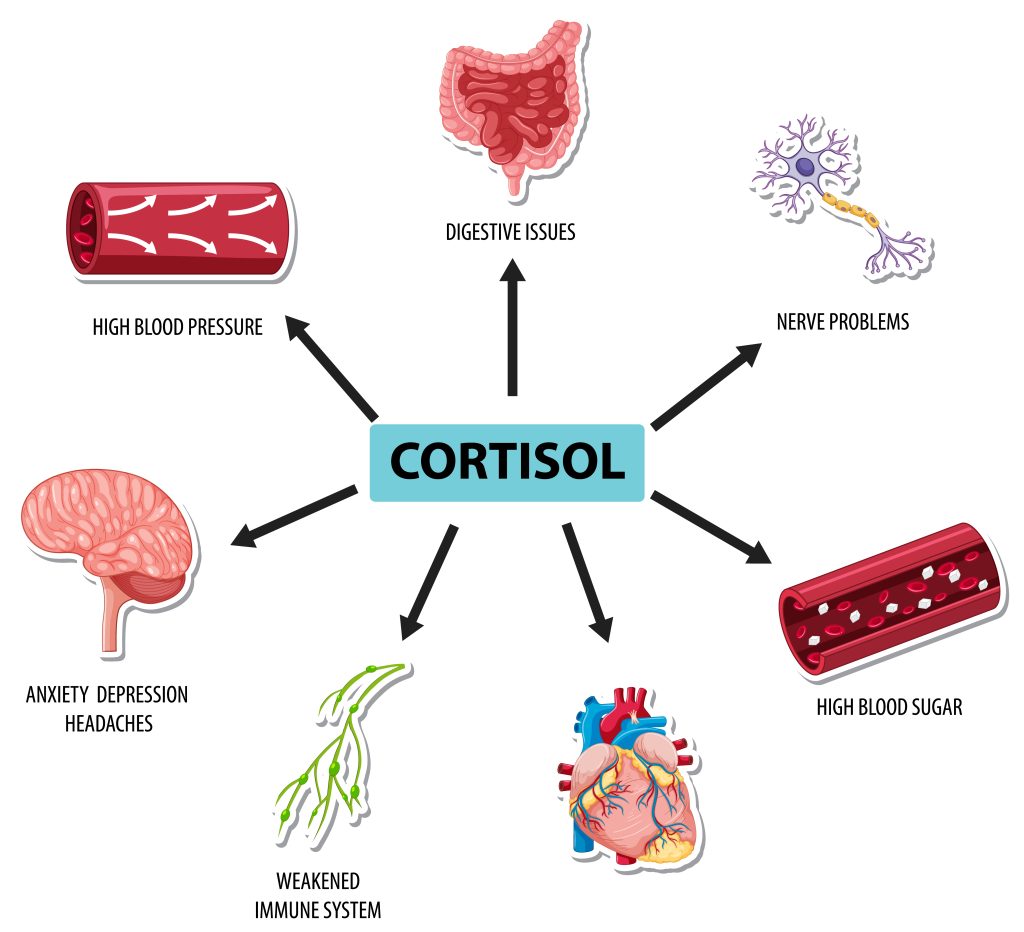
Early recognition of potential stress symptoms will allow you to begin managing your cortisol levels prior to the onset of changes in your metabolic processes. Some signs that you have high cortisol levels are:
- Fatigue
- Poor sleep (insomnia)
- Anxiety/Irritability
- Increased cravings for high sugar/fat intake
- Midsection weight gain
- Decreased libido
- Decreased ability to concentrate
If you’re experiencing several of these symptoms, it may be time to take a step back and focus on body stress release techniques that can control high cortisol levels.
How to Lower Cortisol Levels and Support Metabolic Health
Thankfully, there are simple strategies you can use to decrease high cortisol levels and support a healthier metabolism.
1. Practice Relaxation Techniques
Using techniques like deep breathing, yoga, or meditation will help your body relax and reduce the amount of cortisol in your body. This will also improve your metabolic function.
2. Get Regular Physical Activity
Doing some physical activity will also lower your cortisol levels. Find something you like to do (such as walking, swimming, or dancing) and just make sure you’re not overdoing it (excessive exercise will increase cortisol levels).
3. Prioritize Sleep
Prioritizing good quality sleep will also help you regulate cortisol. You should establish a consistent bedtime schedule and avoid consuming coffee after your normal dinner time. It’s very helpful to create a relaxing nightly routine, so you get enough proper rest to allow your cortisol levels to be brought back into balance.
4. Eat a Balanced Diet
Try to limit your intake of excessive sugar and caffeine, as these are both known to cause spikes in cortisol levels. A diet rich in lean proteins, healthy fats and an abundance of vegetables will help support your overall metabolic health.
5. Take Time for Yourself
It’s imperative to give yourself time to relax and relieve Stress. Whatever you enjoy doing, whether it be reading, taking a bath, spending time with loved ones, etc. Finding those things that make you happy will help you reduce your cortisol levels, so you can live better.
Ready to Take Control of Your Metabolic Health?
Do you find yourself dealing with issues such as high cortisol, losing weight, and/or being overwhelmed by stress? If so, we are here to assist you. We provide one-on-one support to assist you in improving your metabolic health and reducing the negative effects that stress has on your body.
Let us help you build a sustainable plan to lower cortisol and boost your metabolism, so you can have better days.