
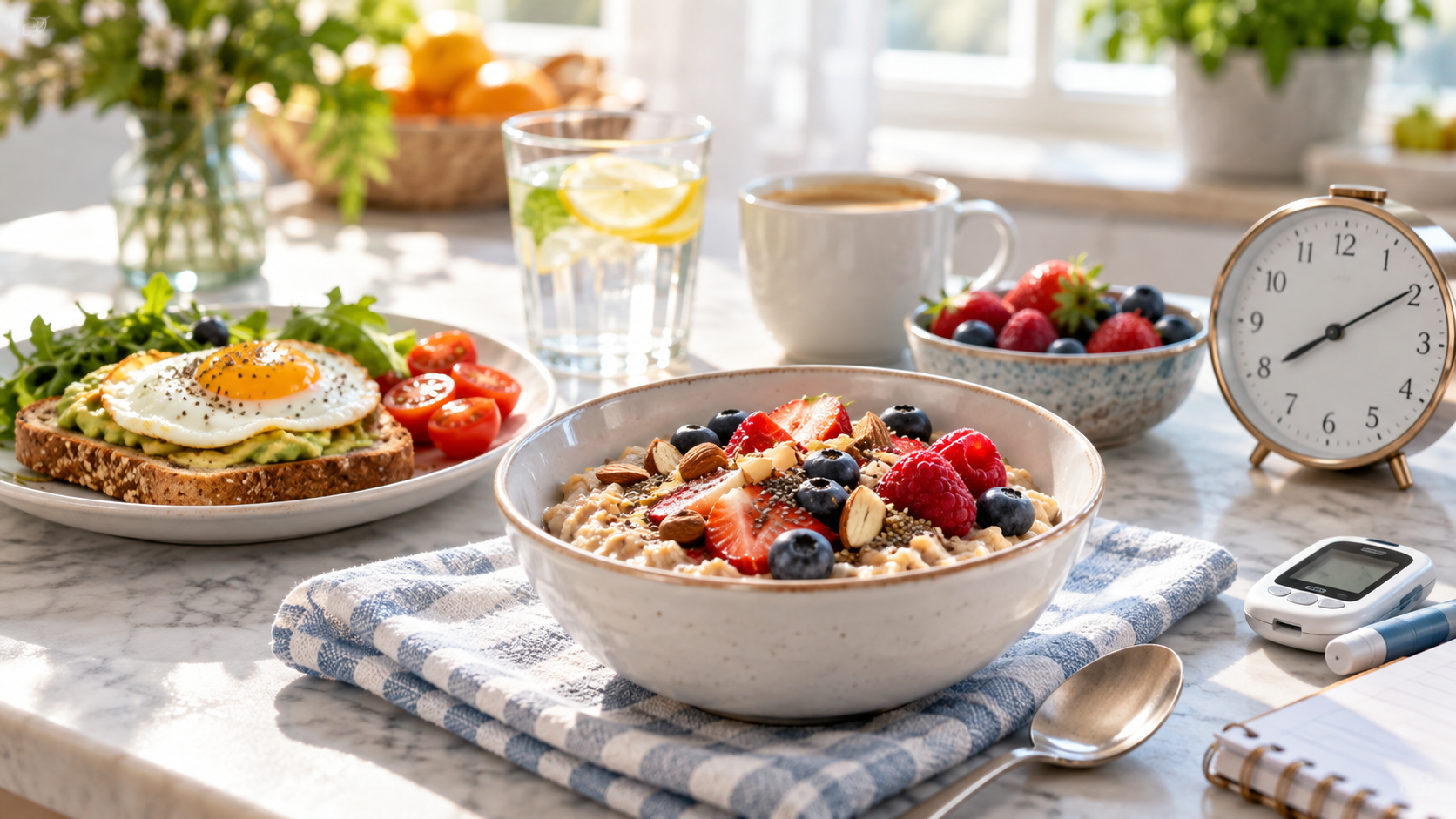
The best time to eat carbs. Most people run into a lot of conflicting advice finding out the right answer.
Here at our Clinic, we have seen this issue repeatedly, particularly with those who are working towards resolving their insulin resistance. In reality, whether or not your blood glucose levels will be affected by what time you consume carbohydrates depends in part upon how they are timed; however, timing is not the only factor.
Why Your Body Handles Carbs Differently Throughout the Day
Your body runs on an internal clock, and that clock affects how well you handle carbs. Earlier in the day, your muscles respond to insulin more readily, and your pancreas releases insulin more quickly after a meal. As the evening goes on, both of those slow down.
From a practical perspective, that exact same meal will have more of an impact on raising your blood sugar levels when consumed for dinner versus for breakfast. The increase will happen regardless of whether you are considered healthy or not. And this will tend to occur the closer it gets to bedtime when consuming carbohydrates.
Thus, based upon biology alone (with regard to which time of the day to consume carbohydrates), the answer leans toward earlier in the day.

Is It Bad to Eat Carbs at Night If You Have Insulin Resistance?
“Bad” is a strong word, but eating carbs at night deserves more attention when you have insulin resistance.
The carbohydrates you consume will be less likely to be processed by the body when insulin levels are lower. Therefore, consuming a large amount of carbohydrate-rich foods (such as pasta) later in the day, such as at 8 pm, could result in an increased blood sugar response compared to consuming the same meal earlier in the day (i.e., at 12 pm).
According to studies, men with normal glucose regulation did not have significantly different results regardless of whether they consumed most of their carbohydrates at lunchtime or dinner, whereas men with elevated fasting glucose or impaired glucose tolerance exhibited poorer glucose markers when they consumed most of their carbohydrates at dinner.
Evening carbs can also show up the next morning. If your fasting glucose levels are higher when you wake up than they were at bedtime, a carb-heavy dinner or late snack may be part of the reason.
Why You Get a Glucose Spike After Dinner
When it comes to eating late at night and blood sugar, a few factors tend to stack up:
- Lower insulin sensitivity. Your body’s evening rhythm makes glucose handling less efficient.
- Less movement. Most of us head to the couch after dinner, so our muscles aren’t pulling much glucose out of the blood.
- Bigger portions. For many people, dinner is the largest and most carb-heavy meal of the day.
- Rising melatonin. Some research suggests the sleep hormone melatonin may dampen insulin release, which could be one more reason late meals spike higher.
Together, they explain why a glucose spike after dinner is so common, and why the best time to eat carbs usually isn’t right before bed.

Meal Timing for Insulin Resistance: Simple Changes That Help
For most people with insulin resistance, the best time to eat carbs is at breakfast or lunch rather than late in the evening. That doesn’t mean cutting carbs out of dinner completely. Try these practical steps:
- Move your biggest carb portion earlier. Have your rice, potatoes or bread at lunch, and keep dinner focused on protein and vegetables.
- Eat dinner a little earlier. Finishing two to three hours before bed gives your body time to process the meal.
- Eat your carbs last. Starting with vegetables and protein, then finishing with starches, can noticeably soften the spike.
- Take a short walk. Even 10 to 15 minutes after dinner helps your muscles use glucose. A loop around your neighborhood or a stretch of the Spring Creek Trail counts.
- Choose slower carbs. Beans, lentils, whole fruit and intact grains raise blood sugar more gently than white bread or sweets.
- Rethink the after-dinner snack. If you’re truly hungry, pair a small portion of carbs with some protein or healthy fat.
One important note: if you take insulin or medications that can cause low blood sugar, talk with your provider before changing your eating schedule.
Timing Matters, but It’s Not the Whole Story
The best time to eat carbs may be a small part of the overall equation; other factors, including total carbohydrate intake, quality of carbohydrate foods, sleep, stress levels and level of physical activity, will typically have much greater influence on your metabolic health than the time at which you consume carbohydrates.
Therefore, each individual has their own best time for consuming carbohydrates. This can be determined by using a continuous glucose monitoring system (CGMS) or simply checking blood sugar levels with a finger prick prior to eating and again two hours postprandially.
Get Personalized Support in Fort Collins
At Ideal Metabolic Health & Body, we assist individuals from Fort Collins to Northern Colorado in developing personalized eating plans based on how they are designed physically and in terms of routine. If you live with insulin resistance, prediabetes, or resistant blood sugar numbers, you will no longer need to try to determine when the best time to eat carbs is on your own.
If you’d like support understanding your glucose levels and finding a meal timing approach that works for you, we’re here to help.