

weight loss plateau

Stuck at the Same Weight? Why Weight Loss Plateau Happen and How to Break Through

You have been doing very well with food, exercise, and seeing the numbers fall each week. One day it seems as if the number just stopped falling. Same number today. Same number last Monday. I am guessing this may be happening to many people; it is called a weight loss plateau.

Weight loss plateaus are the most common and possibly one of the worst feelings when losing weight. However, the fact is once you know why the scale will stop at the same number for weeks at a time you can begin making some smart adjustments in order to move that number again.

What Is a Weight Loss Plateau?

Weight Loss Plateau = Your body stops losing weight after a few weeks (usually 3+ weeks), even if you continue to follow the exact same diet and exercise routine you were using prior to this plateau. Losing/gaining less than 2 pounds each week (again, due to water gain/loss) doesn’t qualify as a plateau.

Plateaus often show up a few months into a weight loss plan, after the fast early results begin to slow down. That timing isn’t random, as you’ll see below.
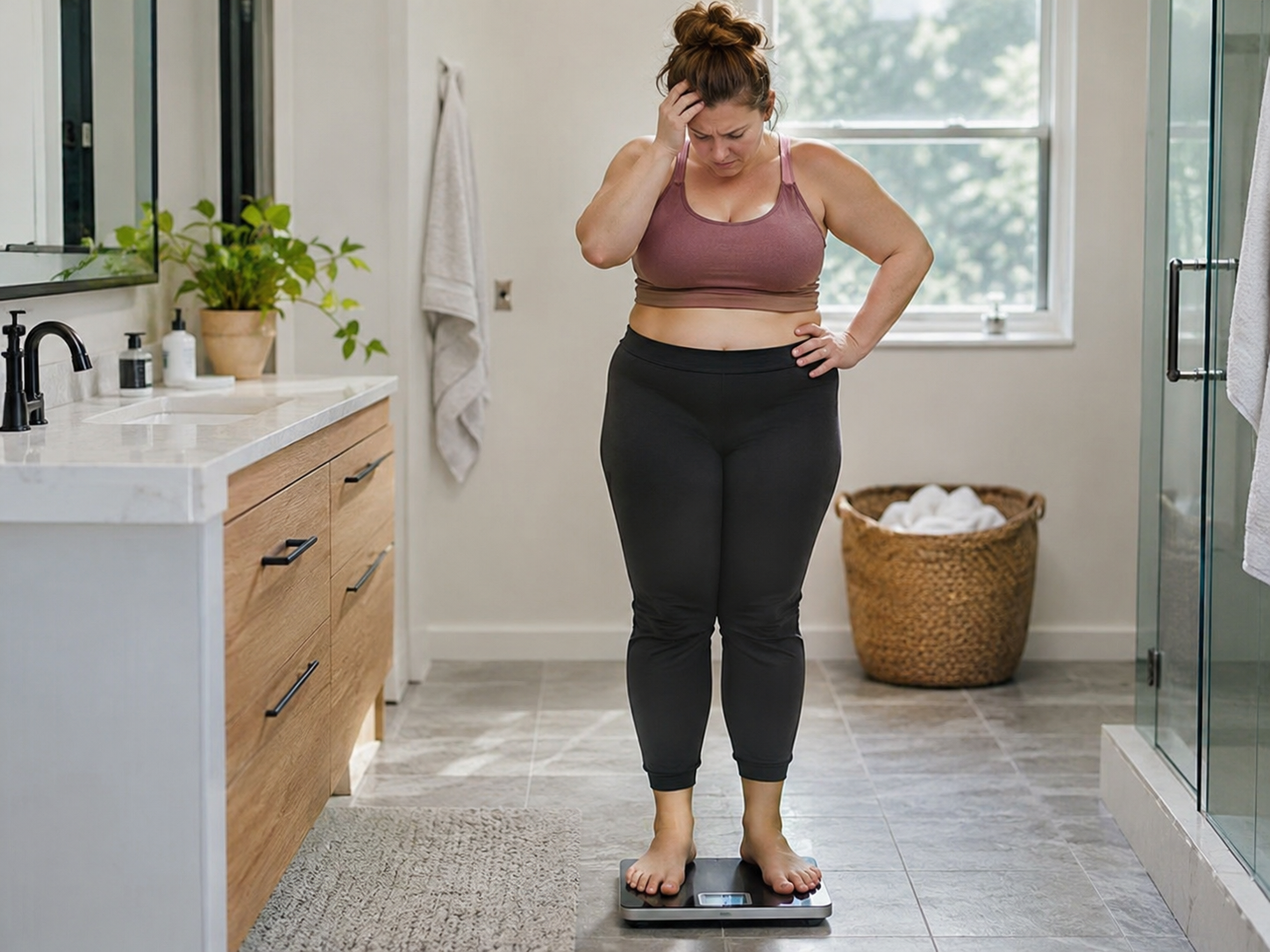
weight loss plateau

Why the Scale Stays Still: Common Causes

If you’re asking yourself, “Why does the scale stop moving when dieting?”, there’s usually more than one reason behind it.

Your Body Needs Less Energy Than Before

A weight loss plateau happen when after losing weight using an established pattern of diet and physical activity, there has been no further weight loss over a minimum time frame of at least 3 consecutive weeks. As long as you continue to follow the same established habits that previously led to weight loss, normal fluctuations in daily or weekly changes in body weight will be excluded from the definition of a plateau

Metabolic Adaptation and a Slow Metabolism

When you’re eating very few calories for an extended period of time, your body is going to try to conserve as much energy as possible. The hormones in your body that help regulate how hungry or full you are will begin to alter. Your body may send out more “I’m starving” signals and you might be moving slightly less than normal without realizing it (a few fewer steps each day, less fidgeting), which could cause you to feel like you have a slower metabolism than you ever did before.

Losing Muscle Along With Fat

Muscle burns more energy than fat, even at rest. If you lose weight without enough protein or strength training, part of what you lose is muscle, and that lowers the number of calories you burn each day.

Water Weight and Body Composition Changes

Early weight loss includes a lot of water. Later on, water shifts caused by salt, carbohydrates, hormones, or a hard workout can hide fat loss for days or even weeks. And if you’ve started strength training, you may be losing inches but not pounds.

Habits That Slowly Creep Back

Portions grow a little. Weekend snacks return. A few extra bites while cooking. None of it feels like much, but small changes add up and can close the calorie gap that was driving your results.

Underlying Metabolic Health Issues

Sometimes the reason you stopped losing weight is due to a medical problem. Issues such as insulin resistance, thyroid disorders, hormonal changes that happen in both perimenopausal and menopausal women, poor quality of sleep, ongoing stress, or taking certain prescription drugs can make it much more difficult for individuals to lose weight. The key thing here is that many people do not see these other health-related issues while they are focused on their diet and physical activity alone.

How Long Does a Weight Loss Plateau Last?

Plates are different for everyone. Sometimes you might see results in just a few weeks; sometimes it could be months of doing nothing but trying everything before you even consider changing anything. It all has to do with why you hit a wall. If you get bloated from water retention, that can go away in a couple of weeks. If you’re dealing with some form of metabolic adaptation (which is hard to treat) or if there is something wrong with your health, then you need to make big changes.

If your weight hasn’t changed in a month or more despite consistent effort, it’s time to take a closer look at what’s going on.

7 Strategies for Breaking a Weight Loss Plateau

  1. Recheck what you’re eating. Track your food honestly for one or two weeks. Many people discover that portions or “small extras” have crept back in.
  2. Prioritize protein. Protein helps protect muscle, keeps you full longer, and takes more energy to digest than carbs or fat.
  3. Cut back on refined carbs and added sugar. Fewer sugary drinks, sweets, and refined starches can help steady blood sugar and insulin levels, especially if insulin resistance is part of the picture.
  4. Add strength training. Lifting weights or doing body-weight exercises two to three times a week helps you keep and build muscle, which supports your metabolism.
  5. Move more throughout the day. Walking, taking the stairs, and standing more all add up. Here in Fort Collins, the Poudre River Trail and the foothills make it easy to get extra steps outdoors.
  6. Protect your sleep and manage stress. Poor sleep and chronic stress raise cortisol and increase hunger. Aim for seven to nine hours of sleep each night.
  7. Measure more than the scale. Track your waist, how your clothes fit, your energy, and progress photos. These often show results the scale misses.

weight loss plateau

Why Am I Not Losing Weight When I’m Doing Everything Right?

This is one of the most common questions we hear. If you’ve tightened up your eating, added exercise, improved your sleep, and still stopped losing weight, the problem may not be willpower. It may be your metabolic health.

Conditions like insulin resistance make it easier for your body to store fat and harder to burn it. Hormonal shifts can change where and how your body holds on to weight. In these cases, eating even less or exercising even longer often leads to frustration and burnout instead of results. What helps is finding and treating the root cause.

Get Help With a Weight Loss Plateau in Fort Collins

At Ideal Metabolic Health and Body, Dr. Jennifer McCabe Lentz, MD, and our team work with people across Fort Collins and Northern Colorado who feel stuck. Our medical weight loss program looks beyond calories to understand what’s actually happening in your body.

With medical weight loss in Fort Collins, you can expect:

  • A full evaluation of your metabolic health, including insulin resistance and hormone levels
  • A personalized nutrition plan built around your body, lifestyle, and goals
  • Medical support and treatment options when lifestyle changes alone aren’t enough
  • Regular check-ins to adjust your plan as your body changes

If you’ve been stuck on a plateau for weeks or months, you don’t have to figure it out alone.

Break Through Your Plateau

A weight loss plateau isn’t the end of your progress. It’s a signal that your body has changed, and your plan needs to change with it. With the right adjustments and the right support, the scale can start moving again.

If you’ve been stuck for a while and would like help with your weight loss plateau in Fort Collins, talking with a medical provider can be a helpful next step. Our team at Ideal Metabolic Health and Body is here whenever you’re ready.


Weight Regain After GLP-1

How to Stop GLP-1 Without Gaining Weight: Handling Hunger and Avoiding Weight Regain

Weight regain is probably the most feared concern for everyone who is discontinuing their GLP-1 medications.
After weeks or months of gradual weight loss and an easier-to-control appetite, it may be disturbing when your appetite begins returning.

We hear this exact same question over and over at our Fort Collins Clinic: Will I put the weight back on once I stop my GLP-1?
The truth of the matter is that some degree of weight regain is likely (and very common) for many people; however, weight regain is not inevitable.

Why Hunger Comes Back After Stopping GLP-1 Medications

GLP-1 medications like semaglutide and tirzepatide mimic a natural gut hormone that tells your brain you’re full. They also slow digestion, so meals stay with you longer. While taking them, many people notice that the constant “food noise” fades into the background.
The effects of the medication on your system typically fade in a couple of weeks once it is out of your system. However, when your appetite returns, it may actually be stronger than before.

This is due to both biological factors and how your body responds to weight loss. After you have lost weight, your body sends stronger messages for hunger while sending weaker messages (or shutting off) for satiety to try to return to its pre-weight loss state. Therefore, weight gain after discontinuing GLP-1 has nothing to do with lack of willpower. Instead, it is simply your body working as it is designed.

Will I Gain the Weight Back After Stopping GLP-1?

Research on people who stopped using diet medications shows an overall loss of weight regained over the course of the first year. However, averages do not represent all aspects of your story. The people who keep the weight off tend to have one thing in common: they used their time on medication to build habits that last.

Think of GLP-1 medications as a window. They make it easier to change how you eat, move and sleep. If those changes stick, weight regain becomes much less likely.

Weight Regain After GLP-1

How to Avoid Weight Regain: Practical Steps That Work

If you’re wondering how to stop GLP-1 without gaining weight, these habits are the foundation of how to avoid weight regain. Ideally, start them before your last dose:

  1. Talk to your provider about tapering. Stopping all at once can make hunger hit harder, and many providers prefer to lower the dose gradually. Never adjust or stop your medication on your own.
  2. Make protein the anchor of every meal. Protein keeps you full longer and helps protect muscle. Eggs, Greek yogurt, chicken, fish and beans are easy places to start.
  3. Load up on fiber. Vegetables, berries, lentils and chia seeds add volume and slow digestion, a little like the medication did.
    Strength train two to three times a week. Muscle supports your metabolic health and helps your body burn more energy at rest.
  4. Keep regular meal times. Skipping meals often backfires later in the day, when hunger is hardest to manage.
  5. Protect your sleep. Short nights raise hunger hormones and cravings the next day.

Telling Real Hunger From Food Noise

Not every urge to eat means your body needs fuel. When cravings return, try a quick check-in:

  • Real hunger builds gradually, and almost any food sounds good.
  • Food noise shows up suddenly and usually wants something specific, like chips or sweets.
  • Emotional eating tends to follow stress, boredom or fatigue rather than an empty stomach.

When you’re feeling hungry for sure, then try to have a balanced meal or healthy snack. When it’s “food noise,” sometimes a drink of water, taking a quick walk, or distracting yourself for a couple of minutes will make it go away. Being able to know when this is happening is probably one of the best tools you have in fighting off weight regain.

Weight Regain After GLP-1

Keep an Eye on the Scale, Without Obsessing

Weighing yourself once or twice a week can help you catch weight regain early, when small adjustments are enough. Set a personal range, such as a few pounds above your current weight. If you drift past it, revisit your plan or check in with your care team.

Some people choose to stay on a lower maintenance dose or restart treatment later. That’s a decision to make with your provider, and it isn’t a failure. Obesity is a chronic condition, and it’s okay to treat it that way.

Support for Lasting Weight Loss in Fort Collins

When medical weight loss is only successful while medication is being taken, that’s as far as it goes. At Ideal Metabolic Health & Body in Fort Collins, CO, we create body-specific, routine-based plans for patients who need support transitioning from their GLP-1 medication to maintain long-term metabolic health.

If you’re feeling unsure about weight regain after your last dose, or you just want a clear picture of what comes next, we’re here to answer your questions and help you plan the road ahead.

Weight loss maintenance

Weight Loss Maintenance: Keep It Off Without Dieting

Reaching your goal weight can feel like crossing a finish line. However, successful weight loss is not really about completing a temporary diet. It is about building a way of eating and living that continues to work after the active weight-loss phase ends.

Transitioning can be tough. During weight loss, your metabolism might slow down, and your body will need fewer calories at this new lower weight. Also, biological changes can complicate maintenance of weight loss. This doesn’t mean weight regain is inevitable. So, your plan for maintenance should be realistic, flexible and designed to meet current needs.

Shift From Diet Rules to Repeatable Habits

Temporary diets are often based upon rules that can be difficult to follow over time. A sustainable weight loss plan is an entirely different type of diet; it will allow you to maintain your new eating habits by adjusting them in ways that fit your lifestyle.

Instead of categorizing food into “good” vs. “bad”, create a majority of your meals with foods that give you energy and satisfaction. This would include: vegetables, fruit, whole grains, beans, lean protein sources, dairy products or alternatives and/or healthy fats

You do not need to eat perfectly at every meal. Healthy eating is shaped by your overall pattern over time, not by one restaurant meal, celebration, or dessert.

Girl happy with weight loss maintenance plan

Create a Flexible Meal Rhythm

One of the most common ways people can be in “diet mode” every single day is by trying to consume the least amount of food as possible. Skipping meals will cause you to have excessive hunger that could also affect your ability to make good food choices when you do get ready to eat. According to the Center For Disease Control and Prevention (CDC), one of the best ways to maintain weight loss is to avoid extremely being hungry or eating excessively.

A practical rhythm might include three balanced meals or meals plus a planned snack, depending on your appetite, schedule, medications, and health needs. Include sources of protein and fiber regularly to make your meals more satisfying.

The goal is not rigid meal timing. It is creating enough structure that you are not making every food decision while exhausted or extremely hungry.

Keep Moving in Ways You Can Sustain

Physical activity supports overall health and is important for maintaining weight loss. Amount needed varies from person to person, and some people may need more activity than minimum general recommendations to maintain weight.

Movement need not mean spending every day at a gym in Fort Collins. Walking around your neighborhood, cycling, hiking, strength training, gardening or attending fitness classes can all contribute as well.

Choose activities you genuinely enjoy, and have indoor alternatives for snowy, smoky, or extremely hot days. A routine that adapts to Northern Colorado’s seasons is more useful than an ideal plan you cannot maintain.

Monitor Trends Without Obsessing

You do not have to track every calorie forever. However, maintaining some awareness can help you notice small changes before they become frustrating.

The CDC suggests monitoring factors such as physical activity, food habits, and weight. The National Institute of Diabetes and Digestive and Kidney Diseases also identifies regular weight monitoring as one possible strategy for preventing weight regain.

For some people, weighing once a week is helpful. Others prefer noticing how clothes fit, reviewing eating patterns, tracking strength or endurance or attending periodic follow up visits.

Use the method that gives you useful information without negatively affecting your relationship with food or your body.

Healthy habits for weight loss

Plan for Real Life, Not a Perfect Week

Life includes travel, holiday, long days at work due to stress, getting sick, attending family events, etc. With an ongoing healthy diet plan, there is always time to accommodate these changes in your life.

A single high-calorie meal will not undo all you have done so far; likewise, a single low-calorie meal will never lead to significant permanent weight loss. So, when your daily routine has changed, go back to some things that were consistent in your past that you could depend on:

  • Regular, balanced meals
  • Adequate hydration
  • Vegetables or fruit
  • A satisfying protein source
  • Consistent sleep
  • Enjoyable movement

Avoid responding to an indulgent weekend with severe restriction. Calmly returning to your usual habits is more sustainable than cycling between overeating and compensation.

Protect Your Sleep and Manage Stress

Healthy weight loss is about much more than what you eat and how often you work out. According to the Center for Disease Control (CDC), obtaining enough sleep and managing your stress levels are two other important factors in maintaining a healthy weight. As well, the National Heart, Lung, and Blood Institute states that inadequate amounts of quality sleep can lead to an increased Body Mass Index (BMI) and possibly impact the signals we receive regarding our hunger/fullness.

Create a consistent bedtime when possible and identify non-food ways to manage stress. These might include walking, breathing exercises, journaling, social connection, hobbies, or professional support.

Know When You Need More Support

Weight regain is not just due to lack of willpower. Biology, medications, medical issues, genetics, environment, stress and social circumstances can all influence weight. Some people might benefit from counseling about nutrition, behavioral support, medical treatment or a mix of different approaches.

If your hunger has changed a lot and you are still putting on weight despite consistent habits, or if you are taking weight management medication, talk to qualified healthcare professionals before making big changes. Do not stop or change medication without guidance from prescribing clinician.

Make Weight Loss Maintenance Your New Normal

The best maintenance plan should not feel like punishment. It should provide enough structure to support your health and enough flexibility to enjoy your life.

Learning how to keep weight off without dieting means replacing short-term restrictions with habits that feel natural, practical, and repeatable.

If you have reached your goal but are unsure how to maintain your weight, personalized guidance can make the transition easier. Ideal Metabolic Health & Body in Fort Collins can help you review your current habits, identify potential challenges, and build a practical maintenance plan that supports your health without making you feel like you are still on a diet.

strength training for metabolic heath

Strength Training for Metabolic Health: Improve Glucose Control Without More Cardio

When we think of strength training, we typically envision having larger muscles, altering our physical appearance, etc. However, there are many more positive aspects to resistance-based training than just building muscle. If you have concerns regarding how well your body handles glucose (blood sugar) as well as your overall metabolic function, you will find that strength training enhances your ability to process glucose without requiring additional lengthy cardio sessions.

That matters in an active community like Fort Collins, where walking, cycling, and hiking may already be part of daily life. Cardio is valuable, but it is not the only movement that supports your metabolism. Strength training provides a different and highly useful metabolic stimulus.

Does Strength Training Lower Blood Sugar?

Yes, strength training can help lower blood sugar and improve glucose control, although responses vary.

When you lift a weight, push against a band, or perform a bodyweight exercise, your muscles need energy. Glucose is one of the fuels they use. Working muscle cells can take in more glucose during activity, and the body may respond more effectively to insulin for hours afterwards.

It is most specifically applicable in relation to insulin resistance. Insulin facilitates the movement of glucose out of the circulatory (bloodstream) system into cells. When cells are less responsive to insulin, a person’s pancreas may increase production of insulin to maintain blood sugar at a level consistent with what has been experienced previously. Regular physical activity will improve the efficiency of this process, and strength training is an important part of this improvement.

strength training for glucose control

Why Muscles Matter for Metabolic Health

Muscle tissue has two functions; it enables movement but is also one of the bodies primary storage sites for glucose. The act of building or maintaining muscle mass increases your total amount of functional (active) tissue capable of both using glucose as fuel and storing glucose.

You don’t have to be a body builder to achieve this benefit; improvements in overall strength and muscle quality will help improve your ability to physically perform daily activities, maintain an optimal body composition and increase your insulin sensitivity.

This is also why strength training matters during weight loss. Losing weight without resistance exercise may involve losing both fat and lean tissue. Preserving muscle helps maintain strength and supports the energy your body uses each day.

Can Strength Training Improve Metabolism?

Most people are searching for a simple method to burn calories at a faster rate (to be able to eat whatever they want), and in turn improve their overall weight loss efforts.

Strength Training can also help you lose fat through improving your metabolic function, however, it is best to understand that strength training will never magically make you lose body fat quickly.

The improvements to your metabolic function from doing strength training on a regular basis include:

  • Improved insulin sensitivity
  • Increased glucose usage by muscle groups
  • Preservation of Lean Mass
  • Improved Strength
  • Ability to stay active for longer periods of time

Strength training therefore supports a healthier metabolic system. It is not a quick fix, but it can make your body more capable of managing energy and glucose.

Is Strength Training the Best Exercise for Insulin Resistance?

There is no single best exercise for insulin resistance that works for everyone. According to the American Diabetes Association, walking, aerobic exercise, resistance training, and shorter movement breaks can all contribute to glucose control.

The unique advantage of strength training lies in its direct impact on the muscle cells which absorb and utilize most of the body’s glucose. Strength training is also highly adaptable. For example, strength can be achieved with dumbbells, machine-based strength equipment, rubber bands or by using one’s own body weight to create resistance.

In general, the best way to achieve results does not lie in a “cardio vs. strength” model. Instead, the goal should be to find a consistent method for combining both of them. A person who currently enjoys walking through trails in Fort Collins or riding a bike around town would likely find additional benefits from adding 2-3 strength workouts to their routine rather than increasing the amount of cardio they are performing.

strength training for insulin resistance

What Should a Beginner Strength Workout Include?

A beginner routine does not need to be complicated. Most full-body workouts can be organized around five movement patterns:

  • A squat, such as standing up from a chair
  • A hip hinge, such as a supported deadlift
  • A push, such as a wall push-up
  • A pull, such as a resistance-band row
  • A carry or core exercise for stability

Start with resistance that allows controlled movement and good form. One or two sets per exercise may be enough at first. As the workout becomes easier, gradually add repetitions, resistance, or another set.

How Often Should You Strength Train?

For many adults, strength training at least two days per week is a practical starting point. Sessions do not need to last an hour. A focused 20- to 40-minute full-body workout can be useful when performed consistently.

Recovery matters, especially when you are new to training. Avoid working the same muscles intensely on back-to-back days, and increase difficulty gradually.

People using insulin or other medication that can lead to hypoglycemia should check glucose levels when they plan to exercise and ask their healthcare provider for suggestions on how to make changes. Lifting heavy objects can increase glucose in the short term due to the release of stress hormones from your body. Whether this is an indicator that you have been harmed during the workout will depend upon each person’s unique response.

Strength Training Is More Than Calorie Burning

Strength training is about so much more than the number of calories burned in one workout; it will also help build muscle strength, improve how your body responds to insulin (therefore helping manage blood sugar levels), protect all of your lean tissues (muscle mass) and simply make every day’s activities less physically demanding.

This could be very encouraging for those who are tired of being told they have to do hours and hours of steady-state cardio if they want to develop better metabolic health. A short and progressive workout is a great way to help manage blood sugar levels and meet someone where their current level of fitness exists.

If you are in Fort Collins and want to understand how strength training may fit into your metabolic health or weight-management plan, Ideal Metabolic Health and Body can help you explore a personalized approach that supports your health, strength, and long-term consistency.

weight loss program

The First 90 Days of a Medical Weight Loss Program

Starting a weight loss program often comes with a mix of excitement, uncertainty, and one important question: When will I see results?

Although you probably want to lose weight fast, it is rare that long-term, meaningful weight loss occurs at an absolute linear pace. The first three months of weight loss for most people will focus much more on developing a sense of what their body does with food, establishing a strong support system and healthy habits, and creating a weight loss program they can sustain.

A medically guided program can also consider factors that ordinary diets may overlook, including your health history, medications, sleep, stress, appetite, and metabolic needs. Here is a realistic look at what your first three months may involve.

How Does a Medical Weight Loss Program Work?

Weight loss programs for medical purposes can be more individualized compared to diets. The first step is generally a review of your current weight, past weight loss experience, eating habits, physical activity levels, health problems you have or that you think you might develop in the future (including those related to genetics), and what your goals for losing weight are.

Depending on the provider and based on your specific needs, it could include:

  • Nutritional guidelines specifically for you
  • Progress check-ins regularly to track how well you’re doing with the plan
  • Guidance for increasing your level of physical activity
  • Coaching in behavior and lifestyle changes
  • Laboratory tests as needed
  • Treatment through prescription medication when it is deemed medically necessary

Prescription medication is not automatically part of every program. When it is considered, the decision should be based on a professional evaluation of your health, risks, medications, and treatment goals. Weight-management medications are intended to complement nutrition, activity, and other lifestyle changes rather than replace them.

weight loss program

Days 1–30: Learning Your Starting Point

The initial phase of many diets, which typically takes place during the first month of a new dieting regimen, is most commonly associated with making changes to your eating habits. These changes might include: altering the composition of meals (i.e. increasing the amount of high-protein and high-fibre foods) and increasing water consumption, as well as being more mindful of portion sizes.

When working on a healthy diet, rather than implementing some type of very restrictive diet, your health care professional will assist in developing a diet plan for losing weight, which includes healthy eating options based upon your daily activities, dietary needs, and personal preferences. Typically, it is easier to adhere to a diet when it provides a sense of balance and does not limit food choices so drastically that you are unable to continue with the plan once you reach your desired level of weight loss.

During this stage, you may notice improvements beyond the scale, such as:

  • Better control over hunger and cravings
  • More consistent energy
  • Improved digestion
  • Better meal planning
  • Greater awareness of emotional or stress-related eating

Some people lose more weight during the first few weeks because of changes in water retention and food intake. Others see slower progress. Neither experience automatically predicts long-term success.

Days 31–60: Building a Consistent Routine

During the second month, you may find that the thrill of beginning a new program has faded. It’s during this time that establishing routines and habits will become increasingly important.

You can expect your weight loss program to be modified depending upon your results, appetite, energy levels, how well you are able to tolerate certain elements of the diet, or if there have been difficulties with recommendations.

A balanced diet for a weight loss program does not have to mean eating the same meals every day. It generally means creating meals with enough protein, fiber-rich foods, healthy fats, and appropriate portions to support nutrition while reducing overall energy intake.

You may experience weeks when the scale moves less than expected. Body weight can fluctuate because of sodium intake, hydration, digestion, hormonal changes, and other factors. Progress should therefore be evaluated through several measures, including waist measurements, energy, appetite, physical ability, and how consistently you are following your plan.

Days 61–90: Evaluating Your Progress

By the third month, most people are beginning to understand what lifestyle choices may be achievable long-term and where they need continued support.

At this point, there are many different things that could influence the amount of weight you lose by the end of 90 days (for example, how much you weighed at the start, if you have medical issues, medications that might affect your metabolism or other health-related variables), as well as your age, physical activity level, quality of your sleep and your compliance with the treatment plan. Because of all these variables it would be foolish to use someone else’s outcome to measure your own..

The CDC notes that gradual weight loss of approximately one to two pounds per week is more likely to be maintained than faster weight loss. However, this is general guidance—not a promise or mandatory weekly target for every person.

By day 90, valuable progress might include:

  • A lower body weight or waist measurement
  • Better eating and activity routines
  • Fewer cravings or episodes of overeating
  • Improved confidence around food
  • Better energy, mobility, or sleep
  • A clearer plan for the following months

Even a modest weight loss program can support meaningful health improvements. Federal health guidance commonly identifies losing approximately 5% to 10% of starting weight over about six months as a realistic initial goal, although individual goals should be developed with a healthcare professional.

Can You Lose Weight Fast in 90 Days?

It’s easy to get caught up in searching for the fastest method of losing weight when extra body fat is negatively impacting either your physical or emotional well-being. Losing weight too quickly with severe restrictions will most likely create a difficult time of obtaining proper nutrients or maintaining your results.

A good program is focused on achieving healthy weight loss versus punishing yourself. The first 90 days of the program should be used to develop a foundational approach to continuing healthy weight loss habits instead of developing an approach that will end once the weight loss program has ended.

Your Results Are Only Part of the Story

What to expect during a medical weight loss program will vary from person to person. Some people respond quickly, while others need more time and adjustments. What matters most is that your approach is safe, personalized, and designed around your health rather than a generic timeline.

At Ideal Metabolic Health and Body in Fort Collins, we understand that lasting weight loss involves more than being told to eat less or exercise more. Our team is here to help you understand your body, build a realistic plan, and move through each stage of your journey with informed and compassionate support.

Skip to content