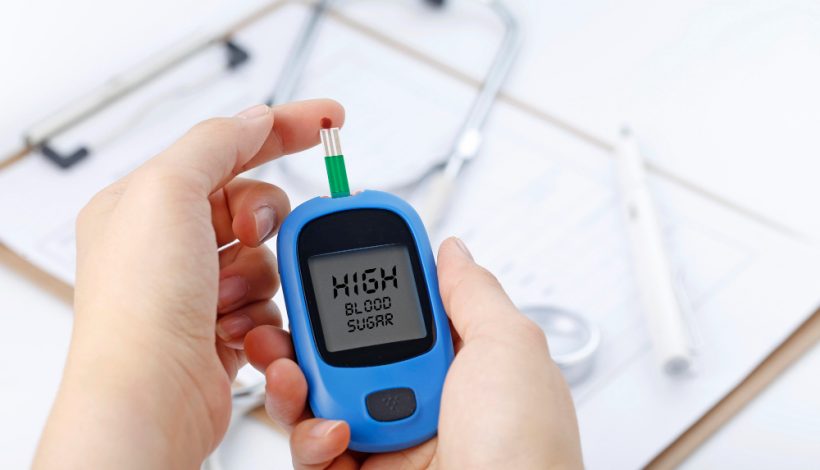

Metabolic Health and Weight Loss

Metabolic Health & Weight Loss: Simple Steps to Improve Your Metabolism

When you’re looking to lose weight, it’s common to feel like you’ve tried everything. Maybe you’ve cut down on carbs, started doing workout routines you dislike, downloaded another weight loss app and, no matter what, the scale remains uncooperative. Don’t worry, you’re not alone, and it doesn’t mean you are failing.

Instead of focusing solely on weight loss, consider developing your metabolic health. Your metabolism is not simply something that is either fast or slow. Rather, it’s how your body converts food into energy, how it regulates your blood sugar levels, how it utilizes fat as a source of fuel and how it generally supports your day-to-day activities. As your metabolic health improves, you will find that weight loss is more easily achieved and maintained.

Below is a simple, friendly starting point that serves as an outline based on the concept of your metabolic health. This is intended to be non-extreme and is designed to promote your health by supporting your body in a manner that is compatible with your lifestyle.

Metabolic Health and Weight Loss

What metabolic really means

“Metabolism”, in simple terms, refers to your “engine.” If that engine is struggling (e.g., due to lack of sleep, constantly hungry, eating irregularly), your metabolism can sometimes seem as though you’re “fighting a losing battle.”

You don’t have to be perfect when improving your metabolism. You simply need to perform small, consistent actions for a long time to see positive results.

A realistic “best way to lose weight” starts with these 5 habits

The best “way to lose weight” should be based on real-world “ways to eat”, which are built on the following five habits

1. Build meals that keep you full

There are several reasons why many diets may have poor success rates in helping people lose weight; one of them is hunger. This causes the brain to seek out quick sources of energy for the body, usually through sugar consumption, snack foods or very large portions.

To alleviate this problem:

  • Include protein at breakfast, lunch and dinner.
  • Eat a variety of fiber rich foods (vegetables, berries, beans or a high fiber carbohydrate).
  • Eat a variety of healthy fats (avocado, olive oil, nuts or eggs).

The combination of proteins, fibers and healthy fats will help support metabolic health, provide a stable source of energy and potentially eliminate cravings, without counting every calorie.

2. Walk more than you think you need to

Walking is often overlooked as an effective tool for creating a long-term weight loss strategy. Walking is easy on your body, and it can be done consistently to support how your body handles blood glucose levels.

Try this:

  • 10-15 minutes walking after a meal
  • Take a few minutes to walk around the block

Taking more steps than usual is a gentle way to help boost your metabolism, and it doesn’t burn you out.

3. Get some sleep (Seriously!)

You are probably tired of hearing about “losing weight” and how to do it quickly. However, sleep affects many of the factors that play into losing weight, including your hunger hormones, your cravings for food, your energy level, and your ability to stick to a diet plan. If you don’t get enough sleep, your body is going to feel as though it has to eat more, especially if you go to bed hungry.

Try this one change:

  • Pick a time each night to go to bed and try to keep it that way 4-5 nights per week.
  • Put your phone in a place where you can’t see it or use an app to tell you when it’s time to start winding down.

When you sleep well, you have the ability to make good decisions and also support your body’s metabolism.

4. Strength training makes weight loss easier

You do not need an extremely difficult workout routine that is done daily. However, doing strength training exercises 2-3 times a week will assist in maintaining muscle mass, as well as building new muscle. Your muscles are responsible for your metabolism, and they also help your body burn energy much more effectively.

Think simple:

  • Bodyweight squats, wall push-ups, dumbbells (Everything at home)
  • 20–30 minutes, 2–3 days per week

This supports long-term metabolic health while also helping you lose weight with less reliance on just cardio.

5. Stick to a plan that fits your lifestyle

The most effective weight loss programs are those you can keep up with when life is busy and unpredictable. A successful weight loss plan needs to be something you can realistically do on a typical Tuesday, not simply during your motivation.

Quick Self-Check:

  • Can I do this while at work, raising children, or travelling?
  • Does it allow flexibility without “starting over”?
  • Do I feel better about myself as I do this, rather than feeling worse?

If you find yourself hating the plan you’re using, then it’s probably not the most effective way for you to lose weight; it’s likely just another quick-fix.

How to lose weight while avoiding extreme methods

When you are attempting to lose weight, you may feel as if you would like immediate results. However, even though you look for “how can I lose weight fast”, you do not truly want “fast”; you actually want lasting results.

Taking a metabolic health approach will help you:

  • Have more consistent levels of energy
  • Reduce your cravings
  • Improve your ability to follow through on your eating plan and physical activity plan
  • Build good eating and exercise habits, which will ultimately result in long-term success
  • Don’t try to figure it all out by yourself.

Want a personalized metabolic health approach in Fort Collins?

If you’re ready to feel good again and want to create a weight loss program that you can realistically incorporate into your life, having someone guide you through this process may be the support system you’ve needed, especially if you have attempted to do it on your own and you feel stuck at the same place over and over again.

Reach out today to learn more about Ideal Metabolic Health and Body, our metabolic health clinic in Fort Collins, and we will develop a plan for you based on your body, goals and lifestyle.

Incontinence in women

Incontinence in Women: what actually helps

Urinary Incontinence in Women: Common, Real, and Treatable

You’re definitely not the first person to leak urine while laughing, coughing, exercising, or rushing to the bathroom—and you won’t be the last. Urinary incontinence in women is incredibly common. But here’s the part that matters most: it is not something you simply have to accept or live with.

Large studies across the United States estimate that more than 50% of adult women experience urinary incontinence at some point in their lives, and nearly one-third report symptoms at least monthly. Despite how common it is, many women minimize their symptoms or assume leakage is just a normal consequence of aging, childbirth, or menopause.

It doesn’t have to be.

There are many ways to improve incontinence—ranging from small changes to daily habits, to targeted pelvic floor training, hormone therapy when appropriate, and office-based medical treatments available here in Fort Collins. This guide is designed to be practical, balanced, and non-hype, helping you understand your options so you can choose what best fits your body, your goals, and your lifestyle..

A Quick Guide to “Incontinence in Women”

Most women’s symptoms fall into one (or more) of the following categories:

Stress Incontinence
Leakage that occurs with increased abdominal pressure, such as laughing, coughing, sneezing, jumping, or lifting.

Urge Incontinence / Overactive Bladder
A sudden, strong urge to urinate that can be difficult to delay.

Mixed Incontinence
A combination of both stress- and urge-related symptoms.

Identifying your pattern of incontinence helps you and your healthcare provider develop a more targeted and effective treatment plan..

Why This Happens (And Why It Is Not Your Fault!)

A variety of factors may contribute to incontinence in women, including but not limited to:

  1. Pregnancy and childbirth
  2. Changes in hormone levels
  3. Changes to the pelvic floor
  4. Constipation
  5. High-Impact Exercise (e.g. running, dancing)
  6. Certain Medicines
  7. Weight Changes

None of these are character flaws or personal failures. They reflect normal biological changes over time—and importantly, there are multiple ways to find meaningful improvement and relief..

How hormones can help

Hormones play an important role in the health and function of the bladder, urethra, and surrounding pelvic tissues. For some women, restoring hormonal support can improve tissue quality and comfort:

  • Low-dose vaginal estrogen can improve dryness and tissue health of the vagina and urethra. It also helps restore a healthier vaginal environment—supporting normal pH and beneficial bacteria—which may reduce irritation, urgency, and nighttime urination for some women..
  • Systemic hormone replacement therapy can help maintain the health and function of pelvic and bladder tissues, which may improve comfort and urinary control. For some women, it is also a proactive choice to support long-term heart, brain, and bone health when started appropriately, even in the absence of significant menopausal symptoms.

Hormone therapy is not appropriate for everyone. Discuss with your clinician in Fort Collins whether local or systemic hormone therapy may be a safe and reasonable option based on your medical history. Many women combine hormonal support with other incontinence treatments to improve overall comfort and outcomes.

Your first steps (often the biggest wins)

1. Pelvic Floor Activation & Strengthening

Improving pelvic floor strength and coordination is foundational to treating incontinence—but how that is achieved matters.

Some women benefit from working with a pelvic floor physical therapist to learn proper activation and coordination. Others prefer—or require—a more efficient, guided approach using technology-assisted pelvic floor stimulation.

Clinician-guided pelvic floor stimulation (such as V-Tone) can activate and strengthen pelvic floor muscles more quickly and consistently than exercises alone, particularly for women who:

  • Struggle to feel or correctly engage their pelvic floor

  • Have significant weakness or poor neuromuscular coordination

  • Want faster, more noticeable improvement in leakage and control

Many women experience meaningful improvements in bladder control over a relatively short treatment course. Pelvic floor therapy and home exercises can still play a supportive role, but energy-based stimulation often provides a stronger and more efficient starting point

2. Small Lifestyle Changes That Matter More Than You’d Expect

While strengthening the pelvic floor is key, daily habits can either support—or undermine—progress:

  • Drink throughout the day instead of “front-loading” your fluids or “panic-drinking”.
  • Reduce your intake of bladder irritants (caffeine, energy drinks, certain teas, artificial sweeteners).
  • Address constipation, as softer stools reduce pressure on the bladder and pelvic floor
  • Try timed voiding to train your body to respond to urgency.
  • If applicable, gradual weight loss may reduce pressure on the bladder and pelvic floor.

3. Pads and Liners as a Bridge

Pads and liners can help restore confidence while treatment is underway, but they should be viewed as a temporary support, not a long-term solution.

Office-based treatments: Options Beyond “Just Deal With It”

While many office-based treatments work well as foundational options, if a woman’s incontinence is not improving sufficiently from her basic treatment plan, there are several ways her provider can develop a more targeted plan using a variety of therapy options. 

Each option could be referred to as a tool used by the provider to address the woman’s specific stress vs. urge incontinence needs:

Office-Based Treatments: Efficient Options Beyond “Just Deal With It”

When symptoms persist—or when women want faster and more reliable improvement—office-based treatments can be used earlier in care, not only as a last resort.

Think of these options as precision tools your provider may recommend based on whether stress, urge, or mixed incontinence is present.

Energy-Based Pelvic Therapies

Examples include V-Tone, Forma-V, and Morpheus-V (not an exhaustive list). These therapies use controlled pelvic floor stimulation and/or heat to:

  • Improve pelvic floor muscle strength and endurance

  • Enhance neuromuscular activation

  • Support tissue quality and function

For many women, these therapies provide more efficient and predictable improvement than exercises alone. Treatment schedules and maintenance vary, but energy-based therapies are often used to accelerate results and enhance the effectiveness of lifestyle and hormonal strategies.

Medications

Prescription medications may be helpful for women with urge or overactive bladder symptoms. Medication choices should balance symptom improvement with potential side effects and individual tolerance.

Urethral Bulking (Office Procedure)

Urethral bulking involves placing a small amount of supportive material just inside the urethra to improve closure and reduce leakage with activities like coughing or jumping.

Sling Surgery (For Stress Incontinence)

Sling surgery may be an option for women with stress incontinence that has not responded adequately to non-surgical treatments. While not appropriate for everyone, it can offer durable symptom relief for selected candidates.

“How much will it help me?”

Think of incontinence treatments as part of a continuum, with pads and liners supporting confidence in the short term but not addressing the underlying issue.

  • Pelvic floor activation, strengthening & lifestyle changes: Foundational for nearly every plan. These approaches often reduce leakage and improve awareness and control, especially when paired with guided or technology-assisted training.

  • Local and systemic hormonal support: May reduce urgency, nighttime urination, and tissue discomfort, while improving tissue quality and enhancing the effectiveness of other treatments.

  • Energy-based pelvic therapies (such as V-Tone): Often produce faster and more reliable improvements in bladder control, leakage frequency, and pelvic muscle function, particularly for women with weakness or difficulty activating the pelvic floor.

  • Medications: Can reduce urgency and urinary frequency, primarily for overactive bladder patterns.

  • Surgical or bulking procedures: Corrective options when stress-related leakage persists despite appropriate non-surgical treatment.

Many women benefit from using two or more approaches simultaneously. The goal is freedom—to laugh, move, sleep, and enjoy intimacy without planning your day around bathroom access.

How to choose your next step

First and foremost: incontinence in women is treatable.

Prepare for your appointment by noting:

  • When leakage occurs and how often

  • What you’ve already tried

  • What you suspect triggers symptoms

Questions to discuss with your provider:

  • Which pattern—stress, urge, or mixed—best fits my symptoms?

  • Could pelvic floor therapy or local hormone treatment help first?

  • Would energy-based therapies or medications be appropriate for me?

  • If stress leakage continues, am I a candidate for bulking or sling procedures?

You don’t have to “just live with it.” It’s reasonable to expect better days—dry workouts, dry laughs, and more restful nights.

If you’d like guidance along the way, we’re here to help at Ideal Metabolic Health & Body, offering personalized care and thoughtful treatment options in Fort Collins.

2148314529

Muscle: The Missing Link Between Metabolic Health and Healthspan

When most people think of improving their overall health, they typically think about losing body fat (the number on the scale, the fit of their clothes, etc.) but when your goals are to live a longer and also a better life with strength, energy and independence, there is an additional factor that cannot be ignored: muscle mass.

Healthspan refers to the number of years you spend living in good health, moving freely, thinking clearly and enjoying your life without significant limitations. One of the greatest predictors of your healthspan is the amount of functional quality muscle mass you possess.

At Ideal Metabolic Health and Body in Fort Collins, we assist our patients to transition from only thinking about “losing fat” and start using muscle as one of their greatest assets for maintaining optimal long term health.

Healthspan 101: It’s Not Just About Living Longer

Just because you reach age 80, 90, etc., does not guarantee an enjoyable final decade of life. This could be filled with struggles with mobility, dependency on others for basic needs (i.e., food, clothing), and/or management of unpreventable chronic diseases. That is when healthspan becomes relevant.

Healthspan is defined as the number of years you can live independently, in good health and functioning at your highest level, allowing you to enjoy activities such as:

  • Getting up out of a chair by themselves
  • Carrying grocery bags
  • Traveling with family
  • Engaging in hobbies
  • Recovering from illnesses or surgeries without losing their independence

This picture of health is not defined simply by weight. Two individuals who weigh the same may have totally different pictures of their future based solely on body composition (the ratio of muscle to fat) and which of those are contributing to their current health status.

Muscle begins to take its rightful place here.

Man training to gain muscle mass

Muscle vs Fat: Why Muscle Is Your Metabolic Engine

A lot of people say things such as “I just know my body burns more calories now since I have so much more fat.” This isn’t how this process works either.

Fat Does Not Burn Energy the Way You Think

The primary role of body fat is to be an energy storage tank. Fat stores excess energy that you are not currently burning. Fat does not significantly increase the speed at which your body uses calories. Excess fat, especially in the abdominal area, is also associated with increased inflammation, insulin resistance, and increased risks of developing diseases such as type II diabetes and heart disease.

So while fat is not “bad” (we all need some), it’s not the tissue that’s doing the heavy lifting for your metabolic health.

Muscle: The Organ of Longevity and Stability

On the other hand, skeletal muscle is metabolically active. That means it:

  • Consumes energy whether you are moving or sitting still
  • Regulates blood sugar levels by taking in glucose from the blood
  • Helps maintain hormone regulation and metabolic adaptability

There are many ways in which muscle helps protect you in everyday life:

  • It stabilizes your joints and spine
  • It can help support your posture and balance
  • It can help prevent falls and injuries
  • It makes it easier to complete tasks such as walking upstairs, or picking up an object.

Healthy muscle is related to:

  • Better energy
  • Better blood sugar control
  • Better physical function
  • Better overall quality of life as you get older

Muscle Mass as a Powerful Indicator of Health Outcomes

Having muscles is beneficial for anyone whether they are an athlete or bodybuilder. Muscles help us deal with all of life’s stressors both large and small.

The Positive: The Many Benefits of Having Adequate Amounts of Healthy Muscle

Having more muscle mass and being stronger has been found to be positively correlated with:

  • Increased insulin sensitivity and lower risk of developing type 2 diabetes
  • Less chance of falling and breaking bones, especially among the elderly
  • Better recovery from surgery, illness, or hospitalization
  • More ability to perform physically; this can also result in a better quality of life and enjoyment of life

In short, when your body experiences challenges, muscle is a key factor in helping you recover quickly.

The Negative: Risks of Low Muscle Mass

When muscle mass and strength are low, which is often referred to as Sarcopenia, you may notice some or all of these physical signs of low muscle mass/low muscle strength (also known as a decrease in muscle function):

  • Slow walking, needing extra effort to get up from a seated position.
  • Need for more assistance performing daily activities.
  • Higher probability of being disabled and losing your ability to do things on your own.
  • Greater susceptibility to developing chronic diseases.

That’s why there is such a strong relationship between muscle mass and healthspan. It is not about how you look, it is about whether your body has the capability to support the lifestyle you wish to maintain.

Muscle Loss As We Get Older: How And Why It Happens

As we get older, we naturally lose muscle mass. In fact, this can be happening as early as when we are in our thirties and forties; however, losing muscle mass will likely become an even larger issue for those of us who do not take action to fight back against it.

Factors That Work Against Us Over Time Making It More Difficult To Maintain Our Muscle Mass

There are several different factors working against us over time that make it difficult to maintain our muscle mass:

  • Changes in hormone levels
  • We spend more time sitting, and less time being active
  • Our diets contain less protein than they should
  • When we attempt to lose weight, we often end up stripping away muscle along with the fat

In the end, you may find that you are feeling weaker, more tired and unsteady on your feet even though you have lost very little weight.

It’s Never Too Late to Build or Regain Muscle Mass

While it is true that there is a decline in our ability to build new muscle as we age, it is still possible to build or regain muscle mass at any age. The good news is that our bodies are extremely adaptable and regardless of what age we are, whether we are 25, 45, or 75, we can still build or regain muscle mass.

By starting today to build or regain muscle mass, you will also be able to:

  • Reduce your risk of becoming frail in the future
  • Help to improve your metabolic rate and how well you are able to regulate your blood sugar
  • Increase your confidence in your ability to perform everyday tasks

To achieve these benefits, you simply need to follow a planned and sustainable program that includes:

  • Resistance Training/Strength Training
  • Sufficient Protein Intake
  • Proper Recovery and Lifestyle Habits

You don’t have to do extreme workouts or use complicated routines. All you need is to develop a solid, individualized plan to support your goals.

How Ideal Metabolic Health and Body Can Support Your Healthspan

While many of us are familiar with the idea that we should “workout more” and/or “diet better,” the challenge comes in developing a concrete plan tailored to our needs; and unfortunately, most people find themselves overwhelmed by the vast amount of contradictory information available online today.

At Ideal Metabolic Health and Body, we focus on:

  • Learn about your current state of metabolic health and body composition.
  • Determine what percentage of your muscle mass is currently present and where you may be able to develop additional muscle mass.
  • Develop an individualized strategy of nutrition, physical activity, and lifestyle to promote both the development of new muscle mass and metabolic homeostasis (i.e., metabolic balance).
  • Track your progress based upon relevant positive changes in your body composition and metabolic health rather than simply weight loss alone.

Ultimately, our goal is to assist you in creating and maintaining sufficient muscle mass that will provide you with the necessary strength, mobility, and energy throughout the next several decades of your life.

The amount of time we live isn’t as important as the quality of those years. Of course, they depend on many things, but primarily on muscle mass and function which supports our metabolism, protects our joints, helps maintain our balance and provides the strength for independence.

Our team at Ideal Metabolic Health and Body in Fort Collins can help you determine the status of your muscle and metabolic health and provide you with the knowledge to preserve your healthspan. Start taking steps toward a stronger and healthier future.

Skin Tightening

Skin Tightening After GLP-1 Weight Loss: A Personalized Plan

You’ve done the hard work. You have lost a great deal of weight, your clothing fits differently and other people are noticing a positive change. However, when looking into the mirror, excess/loose/sagging skin may be the last reminder of what your “before” body looked like. Skin tightening after weight loss treatments can help restore a firmer, more toned appearance, giving you the confidence to fully enjoy your transformation.

It is extremely common to experience this after losing weight with the aid of GLP-1, especially if it was an aggressive/rapid weight loss. Fortunately, you can expect your skin to continue improving over the next 12 to 24 months, and you will find a number of ways (both internal and external) to help support the improvement of your skin.

The purpose of this article is to outline a realistic and structured approach to Skin Tightening after weight loss, so that you can be as confident in your skin as you are in your overall health.

Why Skin Sags After GLP-1–Assisted Weight Loss

Your skin should be viewed as a living fabric encasing your entire body. So when you lose weight, especially quickly, three main events occur:

  1. The loss of the underlying fat mass: The “stuff” that previously gave the skin its fullness has been lost therefore the fabric will appear to have lost some fullness.
  2. A reduction in the tensile strength of collagen and elastin: These two proteins are the internal framework of your skin (i.e., they provide the “scaffolding”). The aging process, changes in weight, and the presence of chronic inflammation may weaken them.
  3. Less resiliency and thinner skin due to the natural decline of dermal thickness with age: Dermal thickness decreases over time, which means the skin does not snap back as well as it did at an earlier age.

With all this being said, your skin tightening is not “done” once the scale is stabilized. Your skin will be able to remodel itself for up to 1-2 years after losing weight, and there are many ways you can help your skin remodel itself by providing your body with the necessary internal support and through the use of various in-office treatments.

Skin Tightening after weight loss

4 Internal Strategies That Support Skin Tightening

We must optimize everything that happens on the inside before we even begin with the outside tools & methods. Think of this like providing your skin the necessary building blocks and signals to repair itself.

1. Optimize Your Protein for Collagen and Lean Muscle

Lean muscle and collagen will be your most effective allies when trying to create firmer, tighter curves.

Aim for: approximately 0.7-1.0 grams of protein per pound of your target weight (approximately 120-170 grams if you’re targeting 170 pounds).

Divide your total daily protein requirement into 2-3 meals; adding an extra snack or shake to help you meet your target.

Why does it matter?

Protein provides your body with the necessary amino acids to repair/replace collagen and support either maintaining or creating additional muscle mass underneath your skin which creates a smooth, natural-looking shape, transitions and less of “deflation” between fat loss and muscle atrophy.


2. Strength Training (Resistance): Tone from the inside out

While exercise can help with cardiovascular health, if you want to get a tighter body and better definition, then you need to do some type of strength training.

Target: 3-4 times per week of strength training

You should be doing exercises that use multiple parts of your body at once (Squats, Presses, Pulls, Hinges). Increase the amount of weight or how difficult each exercise is as you continue to perform them.

Strength Training benefits to your body in terms of Skin and Shape:

  • Fills out areas that look “flat” or droopy after fat loss
  • Helps make the most of your natural body lines and contours
  • Supports good Metabolic Health, which will aid in keeping the weight off

3. Collagen & Nutrient Support

The right supplement and nutrition plan can provide additional skin tightening quality support:

  • 10 – 20 grams of Collagen Peptides/Day – Many individuals see an improvement in skin elasticity/hydration in 8 – 12 weeks.
  • Vitamin C – A co-factor required by your body to produce collagen – Think of it as the “helper” to allow collagen production to occur.
  • Omega-3 Fatty Acids – Promote healthy cellular membranes and will reduce chronic inflammation (which over time damages the skin).
  • Hydration – Well-hydrated tissue is more pliable and less likely to be damaged when adapting to its new shape.

They are not magic pills, but in combination with Protein and Training provide a solid base to begin seeing noticeable results.


4. Thoughtfully Lowering Your Dose of GLP-1 (if applicable)

If you continue to lose significant amounts of weight with a GLP-1 medication, it may be beneficial to decrease the dose of this medication in an attempt to allow your skin to catch up as well.

A decrease in your dose should always be discussed with your prescribing doctor. However, they will likely recommend that you gradually reduce your dosage over a period of time (as opposed to stopping the medication abruptly), so your body has time to adjust and your skin is able to maintain its “shape” at a relatively consistent size.

Skin Tightening consultation

4 External Interventions With Strong Evidence

After you have established an inner habit, in-office technology will be able to greatly enhance and intensify your skin tightening results.

1. InMode Morpheus8 (Radio Frequency Microneedling)

Morpheus8 is one of the strongest non-invasive methods that allow for true skin tightening after weight loss and remodeling.

What It Does:

  • Transmits Radio frequency (RF) through microneedles to create collagen and elastin
  • Creates smoother and more even textured skin
  • Will treat all layers of the skin from top layer down to deeper layers to provide better overall skin tightening

Best For:

  • Abdomen
  • Arms
  • Thighs
  • Neck
  • Jawline

Recommended Plan:

  • Three treatment sessions to be performed 4-6 weeks apart
  • Annual Maintenance to continue producing collagen

2. InMode EvolveX — Transform

The EvolveX Transform works on two levels simultaneously: skin & muscle.

These are the benefits of using EvolveX Transform after losing weight:

  • RF (Radio Frequency) energy is applied to heat the tissues to stimulate collagen contraction and tighten the skin
  • EMS (Electrical Muscle Stimulation) stimulates muscle contractions that help strengthen the muscles underneath.

Both functions work together to improve skin tightening after weight loss, which translates into firmness, contours and shape of your body by non-invasive methods.

Recommended Plan:

  • 6-8 treatments sessions, once a week

Best treatment for mild to moderate sagging skin and also a good post-Morpheus8 or Quantum maintenance treatment. If you are looking to achieve visible skin tightening and toning without going through an invasive procedure, this is a great option.


3. Professional Skincare Support (Epicutis)

Think of the “construction” being in-office treatments, and think of professional skincare support (such as Epicutis) as the “finishing and protecting.”

Epicutis products help to:

  • Reduce inflammation and redness after a series of RF treatments or microneedling
  • Repair and strengthen your natural moisture barrier. Thereby, creating a healthier, more resilient-looking appearance to your skin
  • Help repair and recover your collagen matrix for tighter, and more long-lasting results

A consistent post-treatment (after each treatment session) regimen using a structured post-treatment Epicutis product will maximize your skin tightening results from each session.


4. Lifestyle Habits

The actions taken each day will be either a contributor or an inhibitor to skin remodeling:

  • Maintain your weight for long term consistency to avoid repeated stretch on the same skin area.
  • Apply sunscreen daily because UV exposure degrades collagen resulting in increased laxity with time.
  • Stop using tobacco products (smoking/vaping) since both have significant detrimental effects on collagen and impede blood flow to the skin.
  • Get plenty of sleep. The majority of the body’s tissue repair occurs during deep restorative sleep.

When Skin Tightening Alone May Not Be Enough

Skin tightening alone will probably fail to completely fix your skin if you’ve lost 80-100+ lbs or have extremely loose skin hanging in the form of large folds on your body, especially from your lower abdomen, upper arm areas and/or your inner thigh areas.

You’ll likely need a consultation with a Board-Certified Surgeon for one or more surgical options, i.e., Panniculectomy (to remove excess loose skin hanging from your lower abdomen); Brachioplasty (an arm lift); Thigh Lift; etc. The Morpheus8 and Quantum devices are able to significantly enhance the quality and skin tightening, however, these devices cannot remove all loose skin.

Your Simple Take-Home Plan

There are many ways to follow this and then work with your providers to customize it further to your skin tightening needs.

1. Build Support Internally

  • Reach Your Daily Protein Goal
  • Take Collagen Peptides (10-20 grams/ day)
  • Add Vitamin C & Omega-3s
  • Train With Weights 3-4 Times Per Week

2. Do In-Office Tightening Series

  • Morpheus8: Complete 3 sessions
  • EvolveX Transform: 6-8 weekly sessions
  • Quantum: When deeper or more moderate laxity is present

3. Maintain Recovery & Ongoing Support

  • Use an Epicutis-Based post-procedure regimen to support skin tightening recovery
  • Schedule annual Morpheus8 or Transform maintenance to continue providing your skin with collagen support

4. Maintain Long-Term Protection Of Your Investment

  • Practice Sun Protection
  • Maintain A Stable Weight
  • Live A Healthy Lifestyle

By combining smart internal habits, evidence-based treatments and consistent lifestyle choices, you can help your skin catch up with your new healthier body, so finally your reflection will match how you feel.


You’ve accomplished an incredible amount with your weight loss, but if you’re dealing with excess, loose, or saggy skin after your weight loss, you are certainly not alone.

The right combination of nutrients, exercise, in-office treatments and habits will cause your skin to continue improving for years to come and often exceed your expectations.

If you want a customized program that fits you, your goals, and your GLP-1 and Skin Tightening journey, we invite you to contact us to schedule a consultation to see how we can assist you in creating a healthy, strong you to be proud of and show off with confidence.

Happy people doing exercises for health balance

GLP-1 Deficit: Why True Balance Goes Beyond Hormones

You might be noticing the scale creeping up, energy dipping, or just a sense that your body isn’t firing on all cylinders. And maybe you’ve heard the buzz about “GLP-1s” and wondered if they’re the missing piece for everything you’re feeling. Here’s where it gets interesting – our struggles are not caused by a GLP-1 deficit. The problem is a great deal bigger than this. The real issue is much broader and far more interconnected. Your body thrives when nutrition, hormones, muscle activity, quality sleep, and emotional health are all working together, not in isolation.

So, let’s break down what a true GLP-1 deficit looks like—and more importantly, how restoring balance through sustainable lifestyle shifts can drive real, lasting change. This is where your body becomes stronger, clearer, and more capable than you thought possible.

What Is GLP-1 and Why Does It Matter?

GLP-1, short for glucagon-like peptide-1, is a hormone released by the gut that plays several powerful roles. It helps regulate appetite, guides how efficiently you burn fuel, and keeps blood sugar in a healthy range. Because of this, GLP-1 deficit has become a hot topic in weight-loss conversations.

But just because we now have medications that fix GLP-1 deficit doesn’t mean the root of our metabolic struggles is a simple shortage of this hormone. In most cases, the deeper issue is an overall imbalance across multiple areas of health—not a single missing piece.

Why We’re Not Truly “GLP-1 Deficient”

Your body already knows how to produce GLP-1. The challenge is that its production is influenced by so many lifestyle factors—what you eat, how much you move, how well you sleep, your hormonal state, and even your emotional load. When any of these become disrupted, GLP-1 and many other hormones can’t function the way they’re designed to. This can look like a GLP-1 deficit, but it’s really a sign that the whole system is out of sync.

Instead of isolating GLP-1 as the problem, it’s far more helpful to zoom out and understand how all your hormones interact. They work as a team—never solo.

There’s no magic switch or single hormone to correct that will restore optimal health. Our metabolism is shaped by an intricate network of signals, habits, and inputs. Lasting change comes from restoring balance across the whole system.

When we support nutrition, build muscle, improve sleep, manage stress, and create metabolic stability, GLP-1 naturally does exactly what it’s supposed to do—and your whole body begins to operate from a place of strength rather than struggle.

GLP-1 deficit is not the answer.

The Five Pillars of Balance

If we want true metabolic stability, we have to rebuild the foundation. That foundation is anchored in five pillars:

  1. Nutrition

  2. Hormones

  3. Activity/Muscle

  4. Sleep

  5. Emotional Health

Each one influences GLP-1 production and the overall hormonal conversation happening in your body. When one pillar weakens, the others feel the strain, and what looks like a “GLP-1 deficit” is often just a signal that your whole system needs support.

  • Nutrition:  The food you choose directly shapes your hormonal health. A nutrient-dense, protein-focused diet supported by healthy fats helps stabilize blood sugar, enhances GLP-1 function, and supports natural appetite regulation.

  • Hormones: Hormones never work in isolation. Testosterone, insulin, cortisol, thyroid hormones, and many others all influence how GLP-1 behaves. When even one of these becomes imbalanced, it can throw off the entire system. Restoring hormone harmony sets the stage for GLP-1 to do its job naturally and effectively.

  • Activity & Muscle:   Muscle is one of the most powerful tools we have for metabolic health. More muscle means stronger glucose regulation, improved insulin sensitivity, enhanced GLP-1 secretion, and a healthier hormonal landscape overall. This is why building and maintaining muscle is a non-negotiable part of true metabolic restoration.

  • Sleep:  When sleep suffers, cortisol rises—and elevated cortisol directly interferes with GLP-1 function. Poor sleep can drive hunger, slow metabolism, and disrupt blood sugar. Restorative sleep is not a luxury; it’s one of your strongest metabolic therapies.

  • Emotional Health:  Stress, overwhelm, and emotional strain shift hormone patterns, especially cortisol and ghrelin. These changes ripple outward, limiting GLP-1’s ability to support appetite regulation. Caring for your emotional health is not only therapeutic—it’s profoundly metabolic.

How Nutrition Leads the Way

Nutrition is one of the fastest and most powerful ways to influence your hormones, including GLP-1. When we prioritize whole foods, adequate protein, and balanced, low-carbohydrate meals, we create the metabolic environment where GLP-1 can function optimally.

Here’s how to support your hormones through nutrition:

  • Lead with protein at every meal—chicken, turkey, eggs, fish, beef, or quality plant proteins—to stabilize blood sugar, reduce cravings, and support muscle growth.

  • Choose whole-food fats such as avocado, olive oil, nuts, and quality animal fats to support hormone production and reduce inflammation.

  • Keep carbohydrates intentional, focusing on nutrient-dense options rather than processed or sugar-heavy foods that disrupt glucose and insulin signaling.

When your metabolism is fueled with steady protein and clean, unprocessed food sources, your hormones can communicate clearly—and GLP-1 becomes an ally rather than a struggle.

Living Life with Balance

Optimal health isn’t about chasing a single hormone or quick fix. It’s about creating alignment across all five pillars so your body can regulate GLP-1 deficit (and every other hormone) naturally and efficiently. Balance doesn’t happen overnight, but with consistency and intention, your body becomes stronger, more resilient, and more in sync.

And here’s an important truth:
GLP-1 medications can be incredibly useful tools.
For many people, they provide breathing room—helping to stabilize appetite and cravings while we work on the deeper, foundational pillars. When used thoughtfully and in combination with lifestyle changes, GLP-1s can support long-term metabolic restoration rather than replace it.

Take the First Step Toward Balance

If you’re dealing with fatigue, weight gain, mood fluctuations, or a sense that your hormones are “normal” yet something still feels off, it may be time to take a more comprehensive look. Hormone optimization, paired with personalized lifestyle interventions, can help you reclaim energy, strength, and confidence.

When you’re ready to take that first step, reach out. Together, we can restore balance—supporting your hormones, strengthening your metabolism, and helping you feel your absolute best.

Skip to content